
Sun Feb 15 17:50:28 UTC 2026: # Cotton Farmers Protest Trade Proposal with the United States
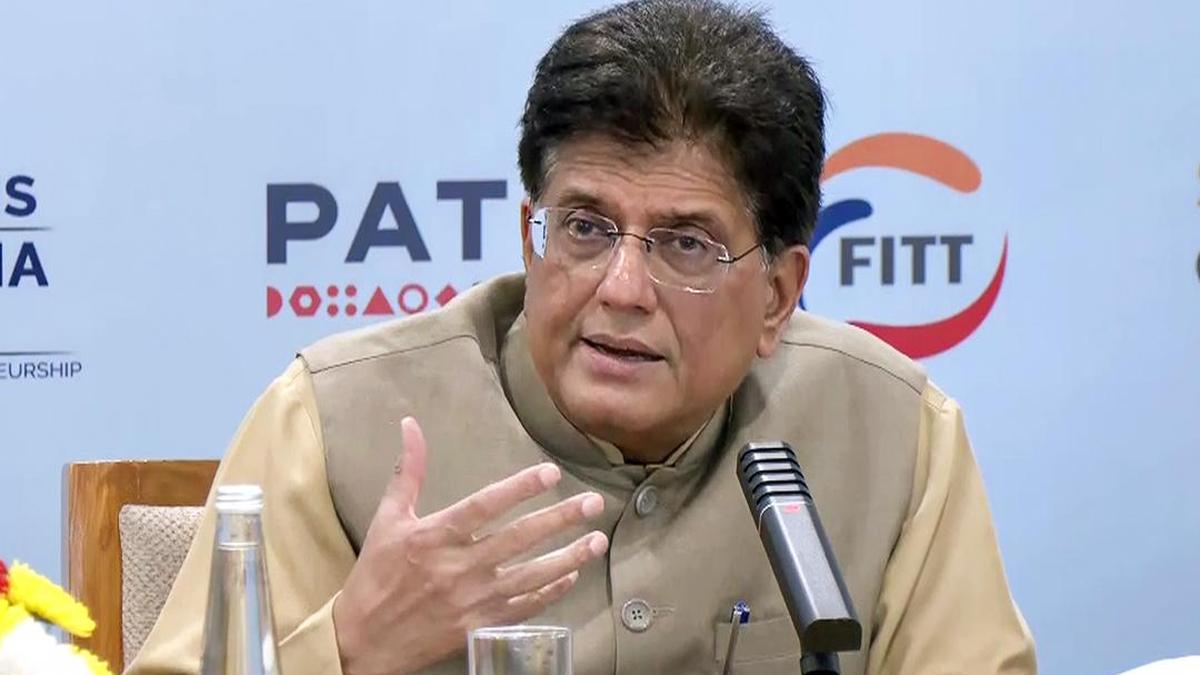
The Story: Groups of cotton farmers across India are protesting against a recent statement by Union Commerce Minister Piyush Goyal. The Minister suggested a trade arrangement where India imports raw cotton from the U.S., processes it into cloth, and re-exports the finished product to the U.S., potentially qualifying for a zero reciprocal tariff similar to an agreement with Bangladesh. Farmers’ organizations, including Samyukt Kisan, view this proposal as a betrayal that ignores the interests of domestic cotton cultivators.
Key Points:
- Cotton farmers are protesting Piyush Goyal’s proposal regarding cotton trade with the United States.
- The proposal involves importing raw cotton from the U.S., processing it in India, and exporting the finished cloth back to the U.S. under a zero reciprocal tariff agreement.
- Farmers’ organizations argue that this proposal prioritizes U.S. cotton over domestically grown cotton.
- The Samyukt Kisan is among the organizations leading the protests.
- The proposed arrangement is compared to a similar agreement reportedly extended to Bangladesh.
Critical Analysis:
The farmer’s protests are directly connected to a broader context of growing tensions surrounding India-U.S. trade relations, specifically regarding agricultural products. Rahul Gandhi’s accusations of a “betrayal of farmers” and a “long-term grip on our agri system” by the U.S., countered by Amit Shah’s defense of the government’s actions as safeguarding farmer interests, point towards a deep political divide and conflicting narratives surrounding the trade deals. The protests related to the Palestine issue (even though seemingly unrelated) are important in the context of public demonstrations and the government’s reactions. The cotton farmer protests should thus be understood as part of a pattern of farmer unrest related to trade pacts with the U.S. The minister’s statement seems to have intensified the existing discontent.
Key Takeaways:
- The proposed cotton trade agreement with the U.S. has sparked significant opposition from Indian cotton farmers.
- Farmer organizations perceive the trade deal as detrimental to the domestic cotton industry.
- The issue has become politicized, with opposing viewpoints from different political leaders highlighting the contested nature of trade agreements.
- There is a risk of escalating farmer unrest if the government fails to address the concerns of domestic cotton cultivators.
- The situation reveals a growing tension between the pursuit of international trade agreements and the protection of domestic agricultural interests.
Impact Analysis:
The unfolding conflict could significantly impact future trade negotiations between India and the U.S. If the government fails to address the farmers’ concerns, the political fallout could damage the ruling party’s image and weaken its standing among rural voters. The protests could also lead to disruptions in cotton production and exports, further exacerbating economic anxieties. Long-term, this situation underscores the need for a more inclusive and transparent process in negotiating trade agreements, ensuring that the interests of all stakeholders, especially farmers, are adequately considered and protected. The farmers may begin to organize themselves around other related issues.
 First Piper