
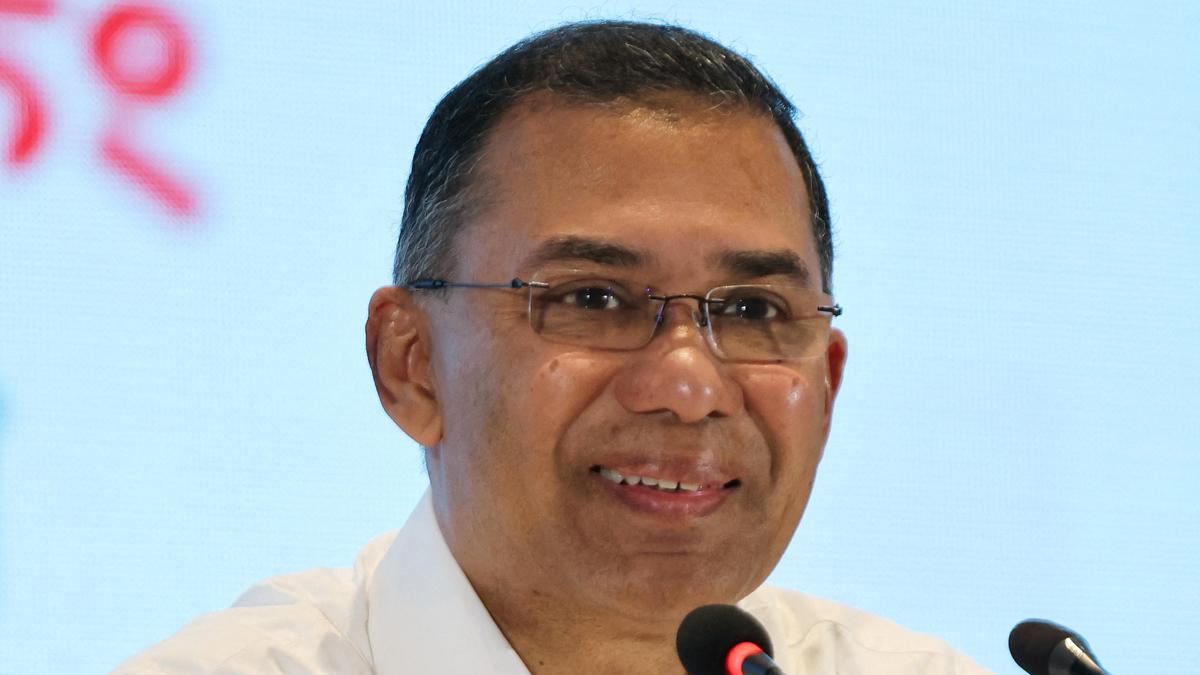
Sun Feb 15 06:52:31 UTC 2026: ### Headline: BNP’s Victory in Bangladesh Sparks Reset of India-Bangladesh Relations
The Story:
Following the Bangladesh Nationalist Party (BNP)‘s sweeping victory in the February 12, 2026 general election, Bangladesh is seeking to redefine its relationship with India. Humayun Kabir, adviser to BNP Chairman Tarique Rahman, stated that with the Awami League and ousted premier Sheikh Hasina no longer in power, both nations should prioritize “mutual benefit.” Kabir urged India to recognize the changed political landscape and ensure its territory is not used by Hasina, who is now considered a “terrorist,” or other Awami League figures to destabilize Bangladesh. Despite past tensions, Prime Minister Narendra Modi has extended an invitation to Tarique Rahman to visit India, signaling a potential thaw in relations.
Key Points:
- The BNP secured a two-thirds majority in the February 12, 2026 parliamentary elections.
- Humayun Kabir, adviser to BNP Chairman Tarique Rahman, called for a reset in India-Bangladesh relations.
- Kabir labeled Sheikh Hasina a “terrorist” and urged India to prevent her or Awami League figures from using Indian territory to undermine Bangladesh.
- Prime Minister Narendra Modi has invited Tarique Rahman to visit India.
- The BNP government aims for balanced relations with India, China, and the U.S., prioritizing national interest.
- Bangladesh invited Prime Minister Narendra Modi and other regional leaders to Tarique Rahman’s swearing-in ceremony on February 17, 2026.
Critical Analysis:
The shift in power in Bangladesh necessitates a recalibration of diplomatic strategies for both India and Bangladesh. The strong mandate secured by the BNP provides them with significant leverage in negotiations. This situation is further complicated by the presence of Sheikh Hasina in India, who is now considered an adversary by the new Bangladeshi government. India’s response to the extradition request and its overall handling of Hasina’s presence will be crucial in shaping the future of bilateral relations.
Key Takeaways:
- The BNP’s victory represents a significant political shift in Bangladesh, necessitating a reassessment of Indo-Bangladesh relations.
- The extradition request for Sheikh Hasina places India in a delicate diplomatic position.
- The invitation extended by Modi to Rahman signals a willingness to engage with the new government despite past issues.
- Bangladesh aims to pursue a balanced foreign policy, navigating relations with India, China, and the U.S.
Impact Analysis:
The shift in power in Bangladesh and the subsequent call for redefined relations with India could have long-term implications for regional stability and economic cooperation. India’s response to the situation will likely set the tone for future interactions and could impact trade, security cooperation, and overall geopolitical dynamics in South Asia. The rise of the BNP and its stance on regional relations could potentially lead to shifts in alliances and strategic partnerships in the region.
 First Piper