
Sat Feb 14 14:24:56 UTC 2026: # Navalny Poisoned with Rare Toxin: European Nations Accuse Russia
The Story:
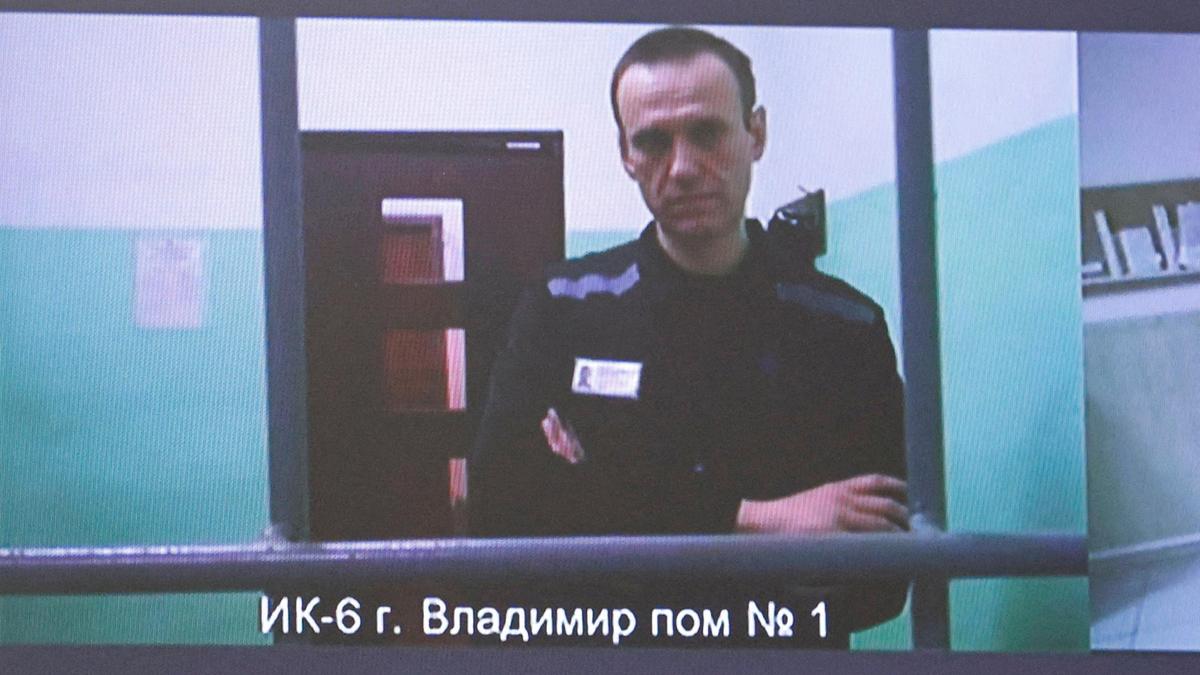
Five European nations—the U.K., France, Germany, Sweden, and the Netherlands—have jointly declared that Russian opposition leader Alexei Navalny was poisoned with epibatidine, a lethal toxin found in poison dart frogs. The nations are holding the Russian state responsible for the attack, citing the means, motive, and disregard for international law required to carry out such an act. This announcement follows Navalny’s death in an Arctic penal colony in February 2024. The nations are reporting Russia to the Organization for the Prohibition of Chemical Weapons for violating the Chemical Weapons Convention.
Key Points:
- Analysis of samples conclusively confirmed the presence of epibatidine in Alexei Navalny.
- The poisoning occurred prior to Navalny’s death in February 2024.
- U.K., France, Germany, Sweden, and the Netherlands are blaming the Russian state.
- The nations are reporting Russia to the Organization for the Prohibition of Chemical Weapons.
- French Foreign Minister Jean-Noel Barrot stated Vladimir Putin is willing to use chemical weapons against his own people.
Key Takeaways:
- The use of a rare and exotic toxin like epibatidine points to a sophisticated operation.
- The coordinated statement by five European nations suggests a unified front against Russia regarding human rights and international law violations.
- This accusation will likely further strain relations between Russia and the West.
- The findings may lead to increased international pressure on Russia, potentially including further sanctions.
- The revelation reinforces the perception of Russia’s willingness to silence dissent through extreme measures.
Impact Analysis:
- Geopolitical Implications: This incident will likely exacerbate existing tensions between Russia and the West. The coordinated condemnation from multiple European nations could lead to a more unified and assertive approach in dealing with Russia’s foreign policy.
- International Law: Reporting Russia to the Organization for the Prohibition of Chemical Weapons could trigger a formal investigation, potentially leading to further diplomatic repercussions.
- Domestic Impact within Russia: The findings may fuel further dissent within Russia, particularly among those who supported Navalny’s movement. However, the Kremlin’s tight grip on power and propaganda may limit the scale and impact of any potential unrest.
- Future Deterrence: The international response to this incident will serve as a signal to other nations regarding the consequences of using chemical weapons and targeting political opponents. A weak response could embolden similar actions in the future, while a strong response could act as a deterrent.
 First Piper