
Sat Feb 14 12:26:16 UTC 2026: # Rubio’s Munich Speech: A Plea for Transatlantic Unity Amidst Deepening Rifts
The Story:
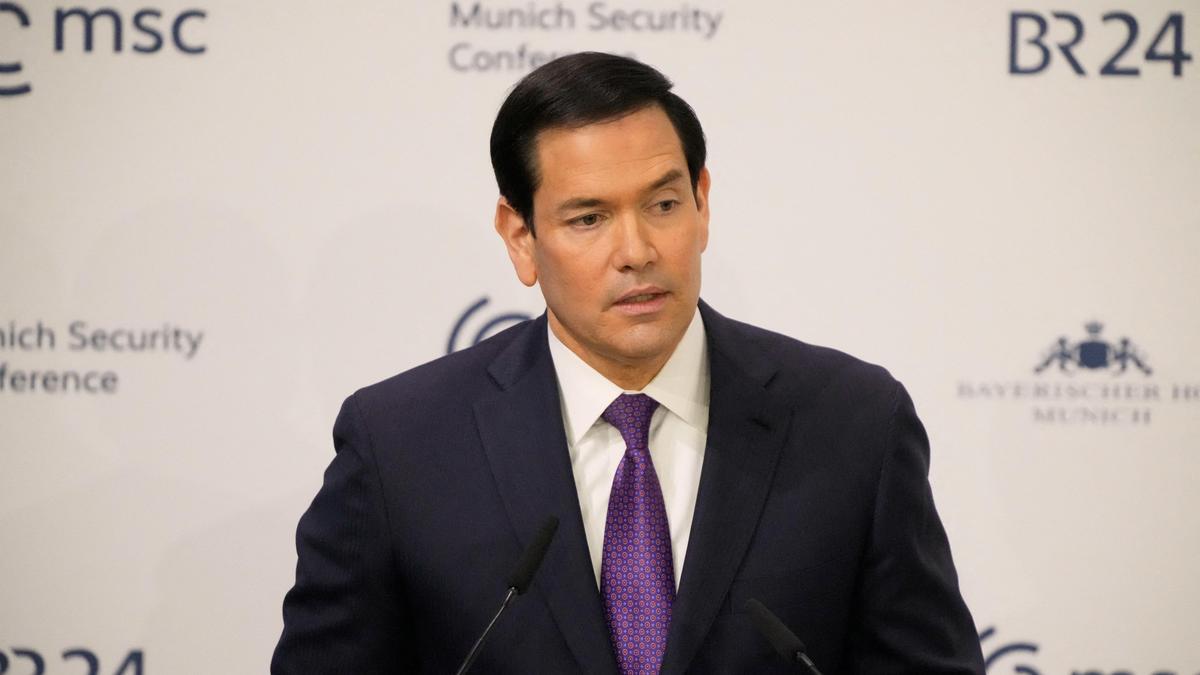
U.S. Secretary of State Marco Rubio addressed the Munich Security Conference on February 14, 2026, delivering a message of unity to European leaders. While emphasizing the enduring transatlantic alliance and shared heritage, Rubio also echoed past criticisms regarding European policies on mass migration and climate change. His speech, seen as a softer approach than Vice-President J.D. Vance’s address the previous year, aimed to reassure allies after a period of strained relations under President Donald Trump’s “America First” agenda.
Key Points:
- Marco Rubio emphasized the United States’ desire to maintain a strong transatlantic alliance with Europe.
- He reiterated some criticisms of European policies, mirroring sentiments from the Trump administration.
- The speech lacked specifics on key geopolitical issues such as Russia and NATO, raising concerns among some European and U.S. officials.
- European leaders are increasingly considering independent paths, including discussions on a European nuclear deterrent.
- The address was perceived by some as an attempt to soothe tensions but failed to address the core security challenges facing the transatlantic partnership.
Critical Analysis:
The timing of Rubio’s speech, delivered amidst escalating tensions between Russia and Ukraine (evidenced by the deadly drone strikes) reveals the strategic depth of the U.S.’s transatlantic relations. With the world’s eyes glued to the Russia-Ukraine conflict, Rubio’s speech is a direct attempt to secure European support at the negotiation table. However, Rubio’s omission of Russia and NATO’s importance in his speech is counter intuitive to his purpose, showing a weak attempt at reassuring Europe. This demonstrates that the current administration’s interests may be misaligned with European leaders, and that a stronger effort is necessary to maintain an unified transatlantic front.
Key Takeaways:
- The U.S. seeks to repair damaged transatlantic relations after a period of strain.
- Deep divisions remain on policy issues like migration and climate change, hindering true unity.
- Europe is exploring independent security initiatives, signaling a potential shift in the balance of power.
- The lack of specifics in Rubio’s speech raises questions about the sincerity and substance of the U.S. commitment.
- The timing of the speech shows the strategic importance of transatlantic relations in dealing with external threats.
Impact Analysis:
The unfolding events, including drone strikes in Ukraine and Russia, combined with Rubio’s speech, suggests a volatile geopolitical landscape. If the U.S. fails to adequately address European concerns and build a strong, unified front, it risks:
- Weakened Influence: Diminishing U.S. influence in European security matters.
- Emergence of Independent European Power: Accelerating the trend towards an independent European foreign policy and defense strategy, potentially diluting NATO’s importance.
- Increased Global Instability: A fractured transatlantic alliance could embolden adversaries, leading to greater instability and conflict.
- Economic Repercussions: Continued trade tensions and policy disagreements could harm economic cooperation and growth on both sides of the Atlantic.
 First Piper