
Sat Feb 14 13:45:58 UTC 2026: # India Calls for Climate Justice at Munich Security Dialogue Amidst US Policy Shift
The Story:
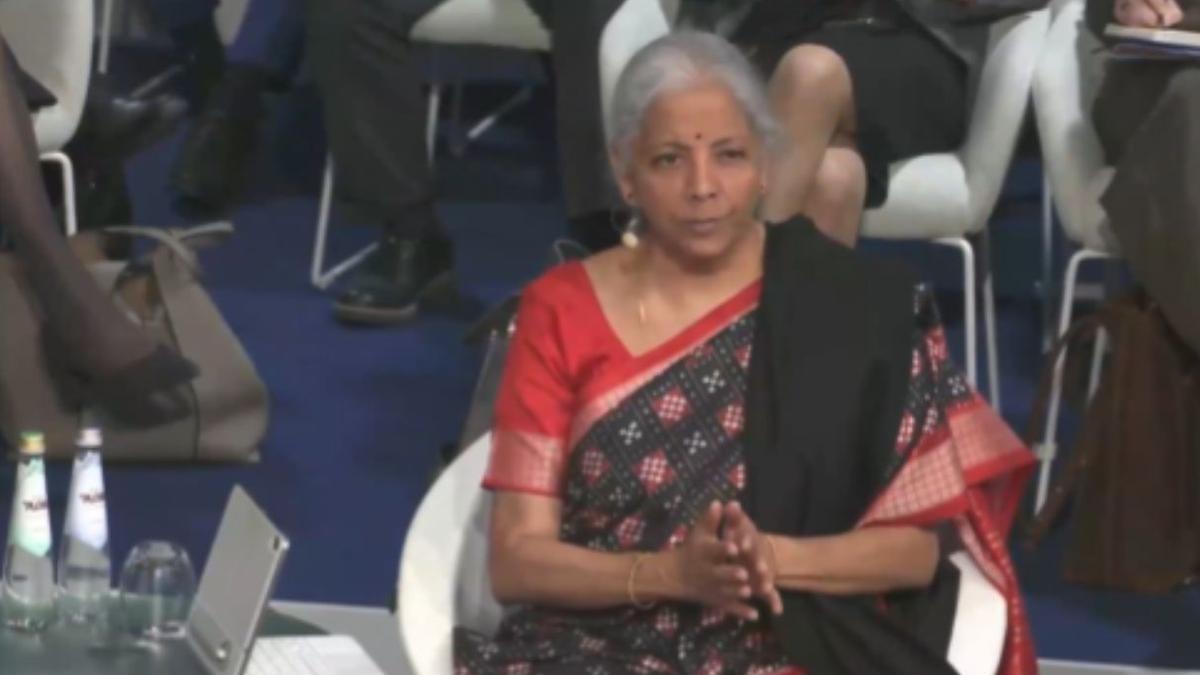
Indian Finance Minister Nirmala Sitharaman addressed the Munich Security Dialogue on February 14, 2026, advocating for differentiated responsibilities in climate change mitigation. Sitharaman emphasized the “polluter pays” principle, urging developed nations to contribute more towards climate action funding and technology sharing. She highlighted India’s commitment to renewable energy and carbon capture strategies, while also stressing the immediate need to address the impact of climate change on vulnerable communities.
Key Points:
- Sitharaman called for differentiated responsibility based on the ‘polluter pays’ principle.
- She urged technology sharing on a commercial basis to fight climate change.
- India is increasing its investment in renewable energy and carbon capture.
- She highlighted the need to focus on resilience and adaptation, not just emissions control.
- The Union Budget 2026-27 reflects increased funding for the ‘Green India’ mission but decreased funding for pollution control, which she says is part of a “dynamic process”.
- Donald Trump’s return to the White House in January 2025 has shaken international climate cooperation with the U.S. reversing green transition policies, including re-exiting the Paris Agreement.
- U.S. Senator Sheldon Whitehouse criticized the Trump administration’s climate policies and apologized for Secretary of State Marco Rubio’s earlier remarks dismissing climate change.
Critical Analysis:
The article highlights a clear divergence in global climate action strategies, particularly between India’s progressive approach and the U.S.’s rollback under the Trump administration. Sitharaman’s emphasis on “differentiated responsibility” aligns with previous calls for developed nations to bear a greater burden, considering their historical contributions to emissions. The historical context shows Sitharaman’s involvement in various financial discussions, implying a consistent strategic direction in India’s economic and environmental policy. This stance is likely to be emphasized further amidst the changing international landscape.
Key Takeaways:
- India is positioning itself as a leader in climate action, emphasizing both mitigation and adaptation strategies.
- The return of the Trump administration in the US is creating significant challenges for global climate cooperation.
- The “polluter pays” principle is gaining traction as a framework for equitable climate responsibility.
- Technology sharing and financial support from developed nations are crucial for developing countries to meet climate targets.
- Domestic budget allocations need to be understood within the context of a “dynamic process,” allowing for supplementary funding as needed.
Impact Analysis:
India’s proactive stance at the Munich Security Dialogue could solidify its role as a key negotiator in future climate agreements. The call for differentiated responsibility and technology sharing could reshape the dynamics of international climate finance and technology transfer. The ongoing friction between India’s climate goals and the U.S.’s policy reversal will likely intensify, potentially leading to alternative partnerships and alliances among nations committed to the Paris Agreement. This divergence may also influence future trade agreements and diplomatic relations.
 First Piper