
Sat Feb 14 03:55:30 UTC 2026: ### Bangladesh Election Results Signal Volatile Political Landscape
The Story:
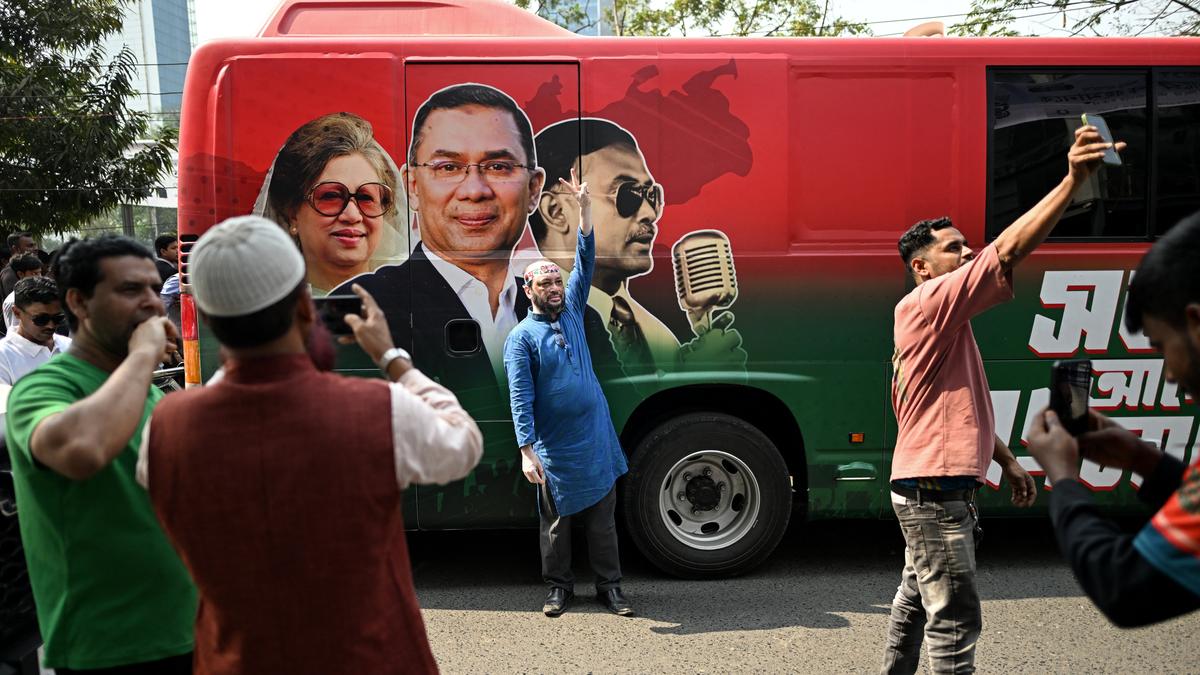
The February 14, 2026 article from The Hindu details the aftermath of the recent Bangladeshi elections, highlighting the resurgence of the Bangladesh Nationalist Party (BNP) and the Jamaat-e-Islami (Jamaat). The election, necessitated by a student-led uprising that ousted Prime Minister Sheikh Hasina in August 2024, saw the BNP secure 209 seats and the Jamaat achieve its highest tally since independence with 68 seats. With the Awami League banned from the election, the results point to a significant shift in Bangladesh’s political dynamics and raise concerns about future stability, particularly with the BNP planning to review the Constitutional Reform package and the Jamaat seeking to exert its parliamentary strength.
Key Points:
- The BNP won the election with 209 seats, returning to power after nearly two decades.
- The Jamaat-e-Islami secured 68 seats, its best performance since Bangladesh’s independence.
- The Awami League was banned from the election following a student-led uprising in 2024.
- The election results have triggered suspicion and fear in Dhaka, with concerns about the Jamaat’s future intentions.
- Voters approved a constitutional reform package that included establishing a neutral interim government, restructuring parliament, increasing women’s representation, strengthening judicial independence, and introducing a two-term limit for the Prime Minister.
- The BNP appears set to alter the agreement which enabled it to come into power.
Critical Analysis:
The provided context, including articles about a potential Bangladesh-Pakistan-China axis and clashes between Jamaat and BNP supporters, suggests a complex geopolitical situation. Tarique Rahman’s return from exile and the BNP’s victory, coupled with the Jamaat’s increased influence, could reshape Bangladesh’s foreign policy and internal dynamics, potentially straining relations with India. It also shows the potential for power struggles between the various parties within the country.
Key Takeaways:
- The banning of the Awami League created a power vacuum filled by the BNP and Jamaat-e-Islami, fundamentally altering the political landscape.
- The resurgence of Jamaat-e-Islami raises concerns about the future direction of Bangladesh, particularly regarding its internal security and potential for imposing Shariah law.
- The constitutional reform package, despite being approved by voters, faces uncertainty due to conflicting agendas between the BNP and Jamaat.
- The potential for renewed conflict between Awami League supporters and the new ruling coalition remains high.
- The changing political alignment in Bangladesh could lead to significant shifts in its foreign policy, particularly regarding relations with India, Pakistan, and China.
Impact Analysis:
The election results and subsequent political maneuvering have significant long-term implications for Bangladesh and the region:
- Internal Stability: The rise of the Jamaat-e-Islami and the potential for conflict with Awami League supporters threaten internal stability and could lead to further violence and unrest.
- Geopolitical Alignment: A potential Bangladesh-Pakistan-China axis, as suggested in the related articles, could reshape regional power dynamics and pose challenges for India’s strategic interests.
- India-Bangladesh Relations: The BNP’s return to power and the Jamaat’s increased influence could strain India-Bangladesh relations, especially if the new government adopts policies perceived as unfavorable to India.
- Democracy and Human Rights: The banning of the Awami League and the ongoing suppression of dissenting voices raise concerns about the state of democracy and human rights in Bangladesh.
- Economic Development: Political instability and potential shifts in foreign policy could negatively impact Bangladesh’s economic development and its ability to attract foreign investment.
 First Piper