
Sat Feb 14 14:39:44 UTC 2026: ### Headline: High Court Permits Hindu Rituals at Dargah Site; Supreme Court Declines to Interfere
The Story:
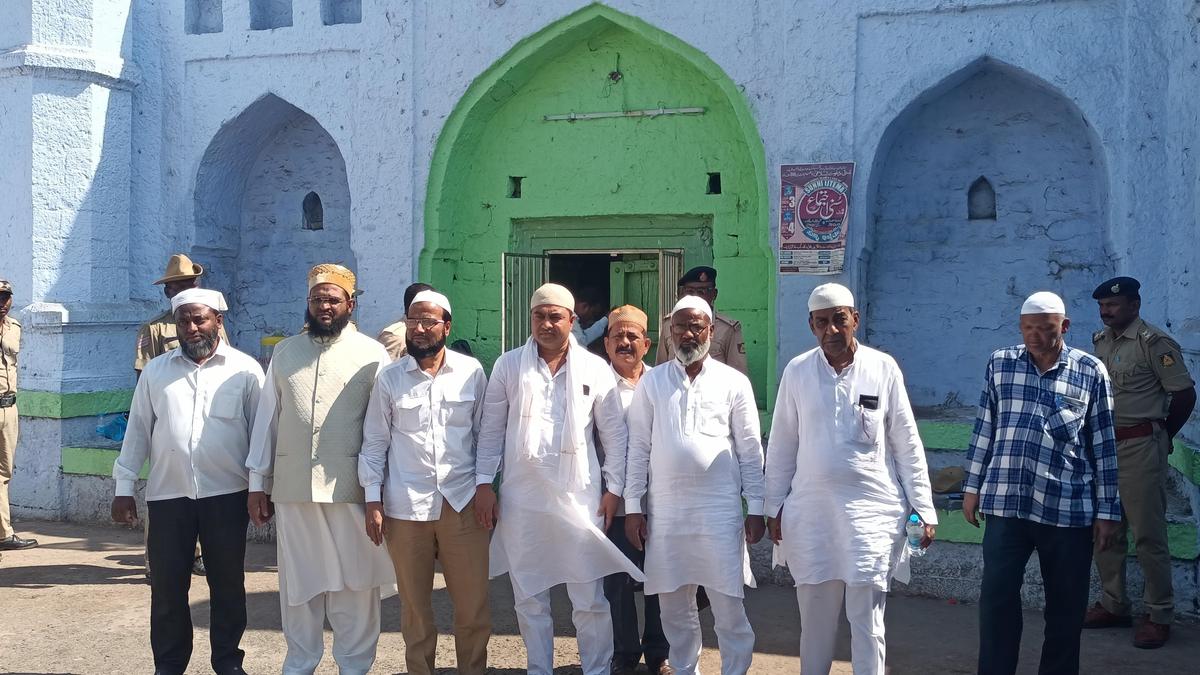
The Kalaburagi Bench of the High Court of Karnataka has granted permission to members of Hindutva organizations to perform Mahashivaratri rituals at a shivling located on the premises of the Hazrat Ladle Mashak Dargah in Aland town, Kalaburagi district. The court’s decision came after considering petitions filed by Siddaramaiah Hiremath and Gurushant Tengli. The permitted rituals, including rudrabhisheka to the shivling situated atop the samadhi of Sri Raghav Chaitanya, are scheduled to take place between 2 p.m. and 8 p.m. on Sunday.
The management committee of the dargah challenged the High Court’s order in the Supreme Court, seeking a stay on the rituals. However, the apex court declined to intervene. In light of the sensitivity surrounding the issue, the district administration has imposed prohibitory orders across Aland town under Section 163 of the Bharatiya Nagarik Suraksha Sanhita (BNSS), effective until Sunday midnight. Public gatherings are restricted, and additional police personnel have been deployed to maintain peace and communal harmony.
Key Points:
- The Kalaburagi Bench of the High Court of Karnataka permitted Hindutva organizations to perform Mahashivaratri rituals at the Hazrat Ladle Mashak Dargah in Aland.
- The rituals are to be performed on a shivling situated atop the samadhi of Sri Raghav Chaitanya, located within the dargah premises.
- The permission was granted following petitions filed by Siddaramaiah Hiremath and Gurushant Tengli.
- The Supreme Court declined to stay the High Court’s order, allowing the rituals to proceed.
- District administration imposed prohibitory orders under Section 163 of BNSS to maintain peace.
Key Takeaways:
- The court’s decision highlights the ongoing sensitivity surrounding religious sites and practices in India.
- The Supreme Court’s refusal to intervene suggests a legal stance that respects the High Court’s judgment while emphasizing the need for maintaining order.
- The imposition of prohibitory orders indicates the administration’s concern over potential communal tensions and the need for heightened security measures.
- The repeated appeals for permission over the past four years suggest a continued effort by Hindu groups to assert their right to worship at the disputed site.
- The case demonstrates the complex interplay between historical claims, religious practices, and legal interpretations in India.
 First Piper