
Sat Feb 14 13:41:48 UTC 2026: ### Headline: Tamil Nadu Government Champions Reading Culture Through District-Level Book Fairs
The Story:
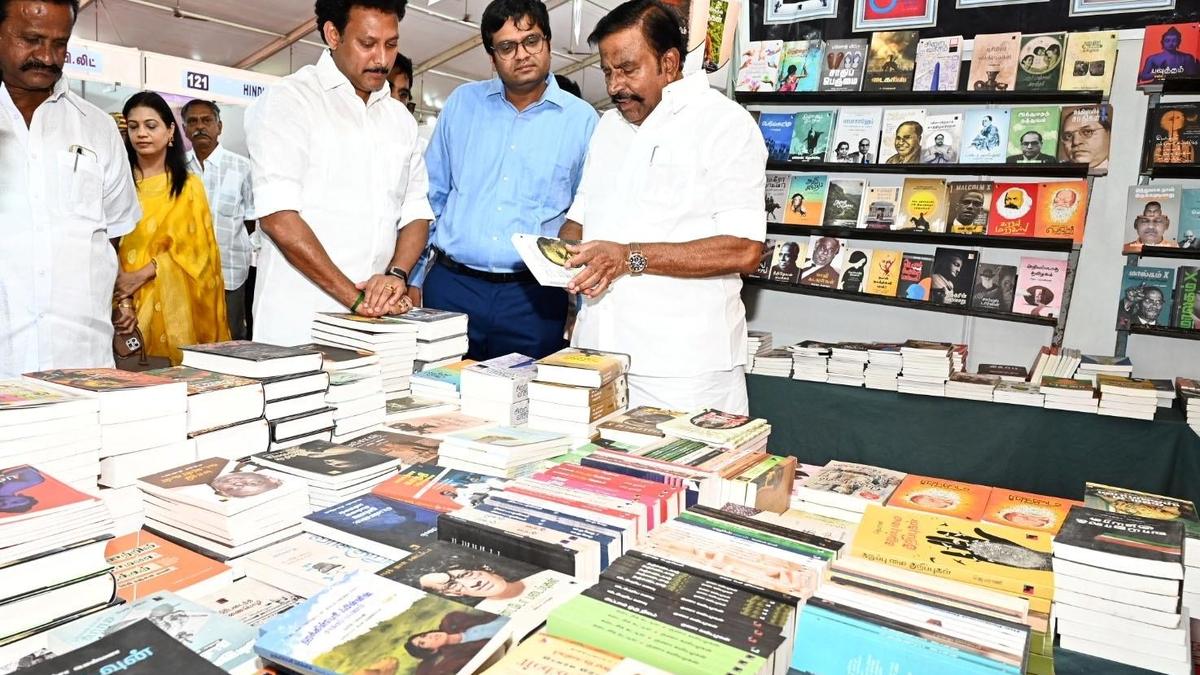
The Tamil Nadu government is actively promoting reading habits across the state by organizing annual book fairs in every district. This initiative, spearheaded by Chief Minister M.K. Stalin since 2021, aims to make books more accessible to students and parents, particularly in areas outside major cities like Chennai. The latest book fair, inaugurated in Tiruchi on February 14, 2026, by Ministers K.N. Nehru and Anbil Mahesh Poyyamozhi, along with Collector V. Saravanan, features approximately 130 stalls from over 100 publishers and will run until February 22.
Key Points:
- The annual book fair is organized by the district administration, the Directorate of Public Libraries, and the Booksellers and Publishers Association of South India (BAPASI).
- The Tiruchi book fair will be held on St. John’s Vestry School premises until February 22, 2026.
- School Education Minister Anbil Mahesh Poyyamozhi emphasized the importance of reading books to combat digital device addiction among children.
- The fair includes cultural programs by school students and special talks by literary personalities.
- Chief Minister M.K. Stalin’s direction to hold book fairs in every district began in 2021.
Key Takeaways:
- The Tamil Nadu government is strategically investing in fostering a reading culture to improve knowledge and literacy.
- The district-level book fair initiative demonstrates a commitment to decentralizing access to educational resources.
- The emphasis on weaning children away from digital devices suggests a concern about the potential negative impacts of technology on youth.
- The involvement of multiple stakeholders (government, libraries, publishers) indicates a collaborative approach to promoting reading.
Impact Analysis:
The initiative to hold book fairs in every district of Tamil Nadu has potential long-term impacts. By providing easier access to books, the government is investing in the future intellectual capital of the state. This could lead to improved literacy rates, a more informed populace, and a stronger reading culture that benefits future generations. Moreover, the conscious effort to counter digital addiction could contribute to healthier lifestyles and cognitive development among children. The success of this initiative could serve as a model for other states looking to promote literacy and combat the negative effects of excessive screen time.
 First Piper