
Thu Feb 12 07:36:47 UTC 2026: # Bengaluru Workers Protest New Labour Codes, Leading to Arrests and Detentions
The Story:
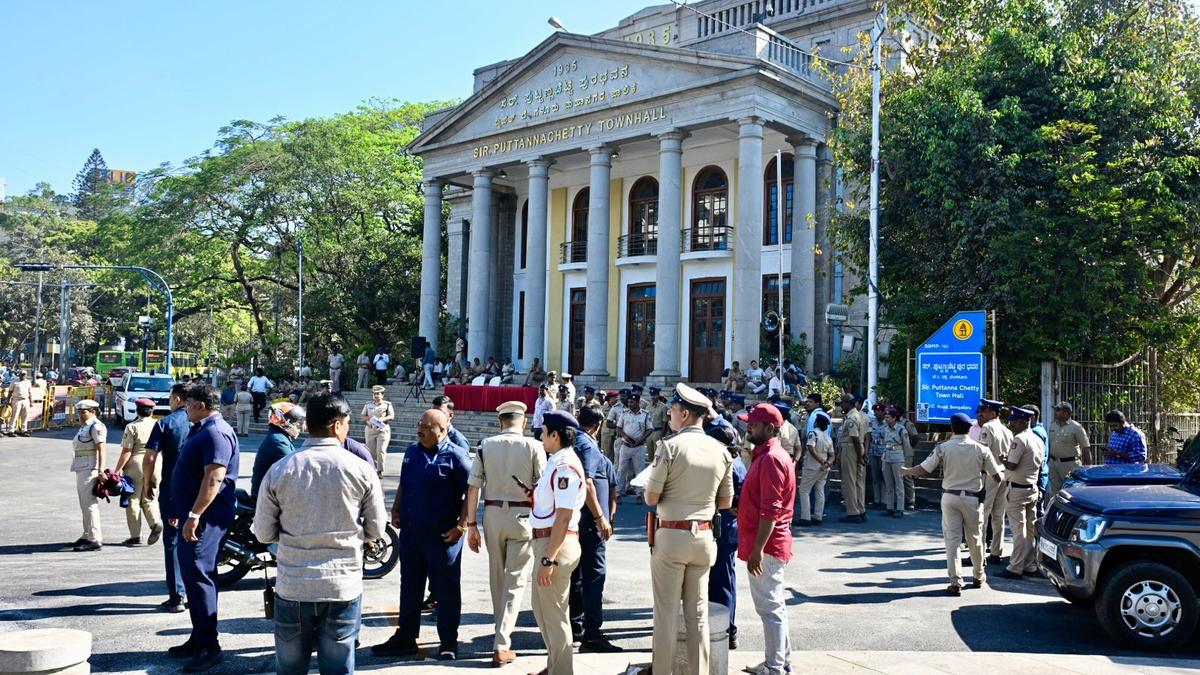
On February 12, 2026, thousands of workers and trade union activists gathered at Town Hall in Bengaluru to protest the newly enacted labour codes. The demonstration, organized by a joint committee of trade unions, aimed to demand the repeal of the codes, which protesters deemed “anti-worker and exploitative.” Police responded by detaining, arresting, and removing protesters from the area, including using BMTC buses to transport them away.
Key Points:
- The protest was organized by a joint committee of trade unions, including CITU, INTUC, AITUC, HMS, AIUTUC, AICCTU, TUCC and HMKP.
- Workers gathered at Town Hall in Bengaluru and held processions in industrial areas such as Jigani, Bommasandra, Hoskote, Doddaballapura, Whitefield, Nelamangala and Dobaspete.
- The primary demand of the protesters was the repeal of the four labour codes.
- Police detained and arrested protesters, using BMTC buses to remove them from the protest site.
- Eyewitness accounts describe police forcing commuters off buses to transport protesters.
Critical Analysis:
The news articles indicate a growing tension between the government’s labour policies and the workforce. The “Bharat Bandh” suggests a nationwide movement against these policies. The article referencing “Labour Codes empowered gig workers” suggests the government’s narrative is that these codes are beneficial, however the strikes indicate a significant portion of the workforce disagrees.
Key Takeaways:
- The implementation of the new labour codes is facing significant resistance from trade unions and workers.
- The protests and the police response highlight a potential conflict between labor rights and government policy.
- The “Bharat Bandh” indicates a coordinated nationwide effort to challenge the labour codes.
Impact Analysis:
The protests in Bengaluru, as part of the wider “Bharat Bandh,” suggest the beginning of what could be a prolonged period of industrial action and political unrest. If the government does not address the concerns of the trade unions and workers, the situation could escalate, leading to further disruptions and potentially impacting economic productivity. These events could also influence future policy decisions related to labor laws and worker rights in India.
 First Piper