
Sun Feb 08 09:47:23 UTC 2026: # Thwaites Glacier: “Doomsday Glacier” Continues to Thin, Contributing to Sea-Level Rise
The Story:
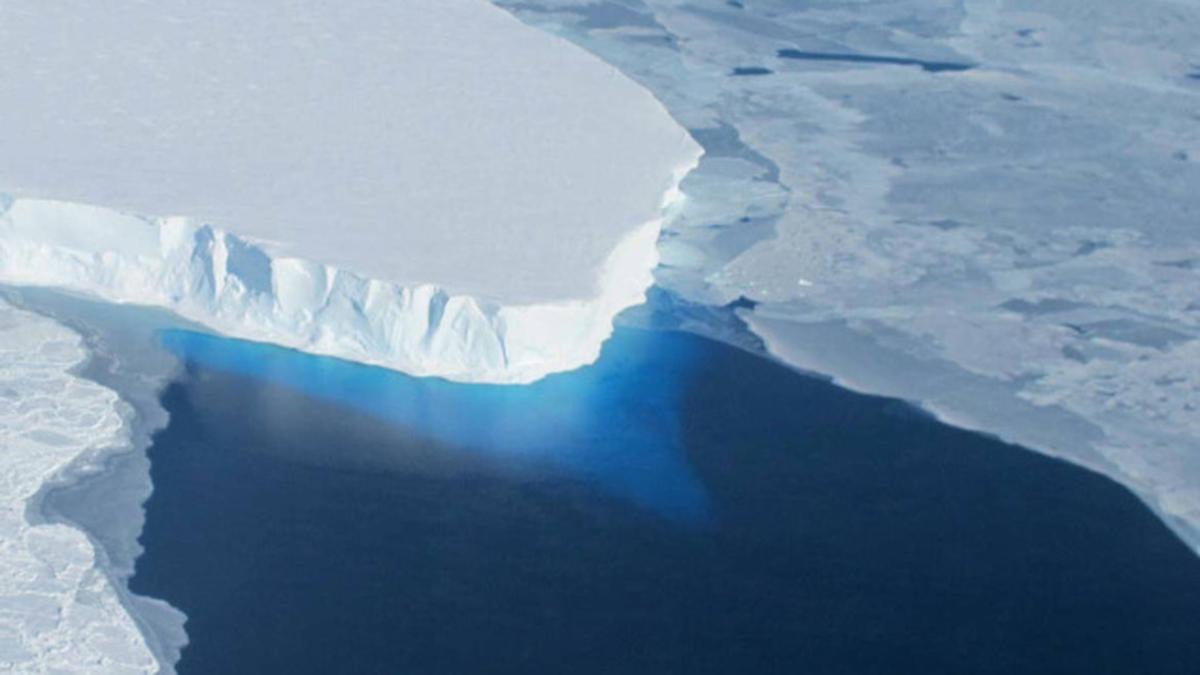
A recent article published on February 8, 2026, highlights the ongoing concerns surrounding the Thwaites Glacier in West Antarctica, often referred to as the “Doomsday Glacier.” Scientists are closely monitoring the glacier’s thinning, retreat, and contribution to global sea-level rise. The glacier’s unique geographical features, where the land slopes downward below sea level, make it particularly vulnerable to melting from warm ocean water flowing under its ice shelf. The continued melting and potential collapse of the Thwaites Glacier pose a significant threat to global sea levels and coastal regions worldwide.
Key Points:
- The Thwaites Glacier is a large glacier in West Antarctica, critical for understanding future sea-level rise.
- Warm ocean water is melting the glacier from below, causing it to thin and retreat.
- If Thwaites were to collapse completely, it could raise global sea levels by around half a meter.
- Thwaites’ weakening could destabilize nearby glaciers, further accelerating sea-level rise.
- Rising sea levels will exacerbate coastal flooding, erosion, and storm surges, threatening coastal communities and infrastructure.
Critical Analysis:
The news events surrounding the Thwaites Glacier indicate a multi-faceted approach is being taken to combat the melting crisis. The proposal to build a 150-meter wall suggests active mitigation efforts, while AI is being leveraged to better understand glacial dynamics. The occurrence of earthquakes at the glacier indicates geological instability, which scientists study. The “Doomsday Glacier Flunks 2025 Checkup” signals consistent observations of ongoing issues, reinforcing the urgency conveyed in the February 8, 2026 article.
Key Takeaways:
- The Thwaites Glacier remains a critical focal point for climate scientists due to its potential impact on global sea levels.
- The glacier’s continued thinning and retreat, as reported on February 8, 2026, underscore the urgency of addressing climate change.
- Scientists are employing diverse strategies, from AI analysis to engineering solutions, to understand and potentially mitigate the glacier’s melting.
- Geological instability, indicated by earthquake activity, adds another layer of complexity to the challenge of predicting and managing the glacier’s future.
- The interconnectedness of glacial stability and global sea-level rise necessitates ongoing monitoring, research, and international collaboration.
Impact Analysis:
The potential collapse of the Thwaites Glacier has far-reaching and long-term implications. The projected half-meter rise in global sea levels would lead to:
- Increased coastal inundation: Low-lying coastal regions and island nations would face more frequent and severe flooding events.
- Economic disruption: Coastal infrastructure, including ports and cities, would be at risk, leading to significant economic losses.
- Environmental degradation: Coastal ecosystems, such as mangroves and wetlands, would be threatened by saltwater intrusion.
- Population displacement: Coastal communities may face displacement due to uninhabitable conditions.
- Geopolitical instability: Increased competition for resources and migration patterns due to climate change could lead to regional conflicts.
 First Piper