
Thu Feb 12 10:01:37 UTC 2026: ### Blimps: A Resurgence in Aviation History
The Story:
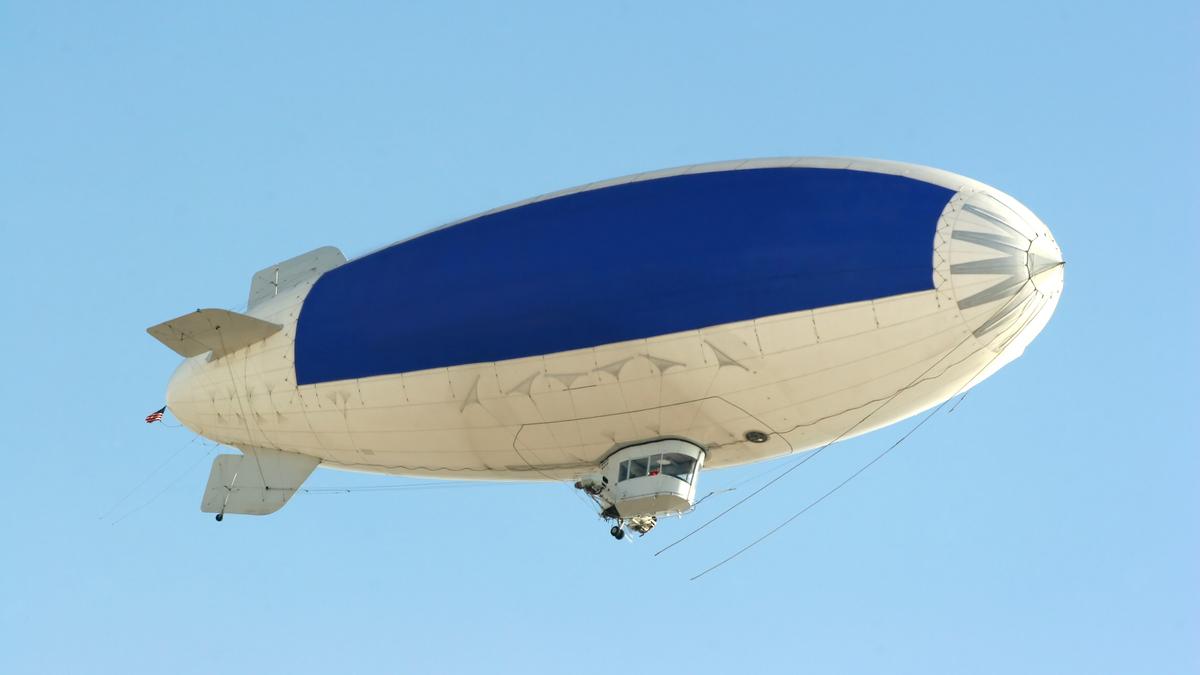
On February 12, 2026, The Hindu published an article detailing the history, mechanics, and modern uses of blimps. The article explains that blimps are non-rigid airships, lighter-than-air aircraft that utilize buoyant force for flight. Once a prominent part of military operations and advertising, blimps experienced a decline after airplane travel became more commonplace. The article emphasizes their unique characteristics, such as slow speed and maneuverability, and highlights the importance of helium as a non-flammable lifting gas, replacing the more dangerous hydrogen used in early airships.
Key Points:
- Blimps are non-rigid airships that rely on lighter-than-air gas for buoyancy.
- They are powered and steerable aircraft with steady flight capabilities and dynamic maneuverability.
- Goodyear blimps are an iconic example, initially used by the U.S. Navy during World War I and later for advertising.
- Modern blimps use helium due to its non-flammability, unlike earlier models that used flammable hydrogen.
- Blimps consist of a large balloon-like body called a ballonet and a gondola or passenger car.
Critical Analysis:
The related historical context from 2024 and 2025 reveals a diverse array of blimp applications in recent years. From advertising sporting events (Goodyear blimp at the Dayton Air Show, blimps circling San Antonio during Final Four), to entertainment stunts (‘Night Agent’ skydiving), and even border patrol surveillance in New Mexico, blimps have maintained a presence across various sectors. This suggests a potential resurgence of blimps, possibly due to advancements in technology, the need for cost-effective aerial platforms, or simply renewed interest in a classic form of aviation.
Key Takeaways:
- Blimps, despite their historical decline, continue to find relevance in modern applications.
- Their use spans advertising, entertainment, and surveillance, indicating versatile potential.
- The shift to helium has made them significantly safer than earlier models, contributing to their sustained use.
- The article in The Hindu serves as a timely reminder of this unique form of aviation as it possibly re-enters popular awareness.
- The continued presence of blimps, even if niche, shows their adaptability and resilience in an evolving technological landscape.
Impact Analysis:
The continued, if not increased, use of blimps suggests a potential for further development and innovation in lighter-than-air technologies. This could have implications for various industries, including:
- Surveillance: Blimps offer a cost-effective and persistent platform for monitoring large areas.
- Advertising: Their visibility makes them ideal for branding and promotional campaigns.
- Tourism: Blimp tours could offer unique aerial perspectives of landscapes and cityscapes.
- Cargo Transportation: Larger, more advanced airships could potentially transport cargo in a more environmentally friendly way than traditional aircraft.
The long-term impact depends on the successful integration of new technologies and the ability to overcome the challenges associated with airship operations, such as weather vulnerability and infrastructure requirements.
 First Piper