
Tue Feb 10 04:28:08 UTC 2026: ### Tensions Remain High as US and Iran Resume Nuclear Talks in Oman
The Story:
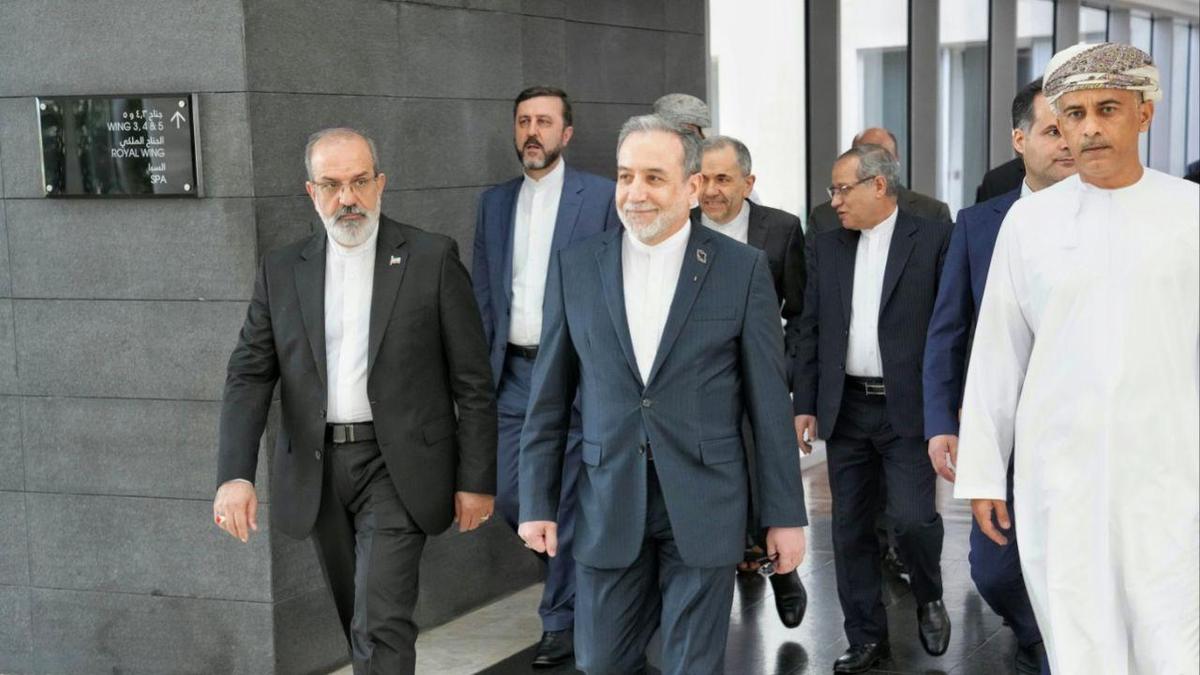
Amidst internal tensions and economic struggles, Iran and the U.S. have resumed nuclear diplomacy talks in Oman on February 6, 2026. Iranian Foreign Minister Abbas Araghchi met with Steve Witkoff, President Trump’s special envoy, to discuss Iran’s nuclear program. Despite the resumption of talks, significant disagreements persist between the two nations regarding the scope of the discussions and Iran’s enrichment capabilities. The U.S. demands a complete halt to uranium enrichment and the removal of existing stockpiles, while Iran insists on retaining its rights under the Nuclear Non-Proliferation Treaty. The article questions what Trump will do if talks collapse this time given the military build-up in West Asia.
The backdrop to these talks includes escalating tensions following protests in Iran in early January 2026, a U.S. military buildup in the region, and the prior collapse of the Joint Comprehensive Plan of Action (JCPOA). The article highlights the difficult position of Foreign Minister Araghchi, who must navigate these negotiations while Iran faces domestic instability and external threats.
Key Points:
- Talks between Iran and the U.S. resumed in Muscat, Oman on February 6, 2026, with Abbas Araghchi representing Iran and Steve Witkoff representing the U.S.
- The U.S. is pushing for Iran to completely stop enriching uranium and to ship its stockpile of highly enriched uranium out of the country.
- Iran maintains it will retain its rights under the Nuclear Non-Proliferation Treaty and will not abandon its enrichment capabilities.
- The talks are occurring against a backdrop of heightened tensions, including recent protests in Iran and a significant U.S. military presence in the region.
- The U.S. Secretary of State Marco Rubio is pushing to include Iran’s ballistic missile program, its support for militia groups, and its treatment of its people in the discussion agenda, while Iran is resistant.
- President Trump previously withdrew the U.S. from the JCPOA in 2018, leading to Iran enriching uranium beyond permissible limits.
Key Takeaways:
- The resumption of talks between the U.S. and Iran represents a potential pathway to de-escalation, but significant obstacles remain.
- The differing agendas of the U.S. and Iran make a swift resolution unlikely, as the U.S. wants a broader agreement, while Iran aims to focus solely on its nuclear program.
- The potential for renewed conflict remains high, particularly if the talks collapse and President Trump opts for a more aggressive approach, evident by the current military deployment.
Impact Analysis:
The outcome of these talks will have profound implications for regional stability in West Asia and global nuclear proliferation efforts. A failure to reach an agreement could trigger a new conflict in the region, potentially drawing in other major powers. Conversely, a successful agreement could lead to the easing of sanctions, economic benefits for Iran, and greater stability in the Middle East. The future direction hinges on whether both sides can bridge their significant differences and find common ground.
 First Piper