
Wed Feb 11 13:32:37 UTC 2026: Headline: Russia and U.S. Maintain New START Treaty Limits Despite Expiration, Hinting at Future Negotiations
The Story:
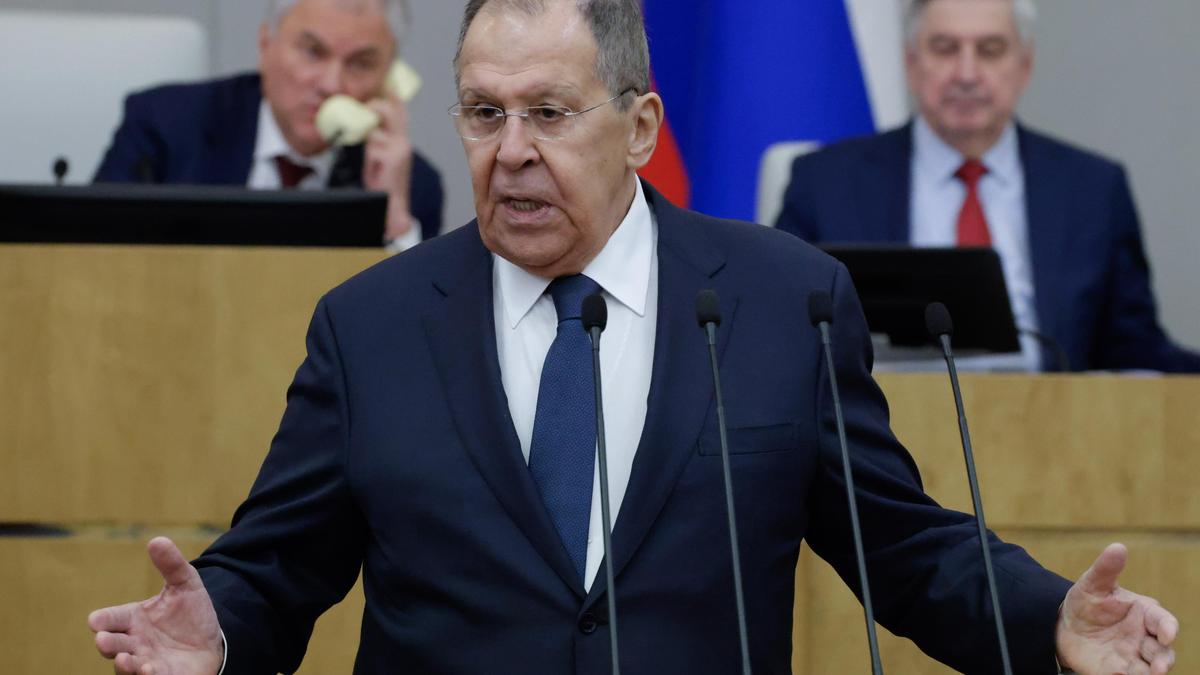
Despite the expiration of the New START treaty on February 5, 2026, Russia has announced that it will continue to observe the treaty’s limits on nuclear warheads and delivery systems, provided the United States does the same. This announcement, made by Russian Foreign Minister Sergey Lavrov on February 11, 2026, offers a glimmer of hope amidst fears of an unconstrained nuclear arms race. While U.S. President Donald Trump had previously sought to include China in a new agreement, Russia’s willingness to adhere to the old treaty’s parameters suggests a potential pathway for future arms control negotiations between the two nations.
Key Points:
- The New START treaty expired on February 5, 2026.
- Sergey Lavrov stated Russia will respect New START caps if the U.S. does the same.
- President Putin offered to stick to treaty limits for another year if the U.S. followed suit.
- Negotiators from Russia and the U.S. discussed a possible informal deal in Abu Dhabi.
- High-level military-to-military dialogue between the U.S. and Russia has been re-established.
Key Takeaways:
- The expiration of New START, while concerning, hasn’t immediately triggered an unconstrained arms race, suggesting a degree of restraint.
- Russia’s conditional adherence to the treaty’s limits indicates a desire to maintain some form of nuclear arms control, even without a formal agreement.
- The re-establishment of high-level dialogue provides a channel for communication and potential negotiation on future arms control agreements.
- The inclusion of talks on a peace settlement in Ukraine alongside nuclear arms control discussions in Abu Dhabi highlights the interconnectedness of geopolitical issues.
- The future of nuclear arms control remains uncertain, dependent on continued U.S. observance of the treaty limits and the willingness of both sides to engage in meaningful negotiations.
 First Piper