
Thu Feb 12 08:25:21 UTC 2026: ### Parliament Gripped by Uproar Over Industrial Code, India-U.S. Trade Deal Amidst Calls for Rahul Gandhi’s Disqualification
The Story:
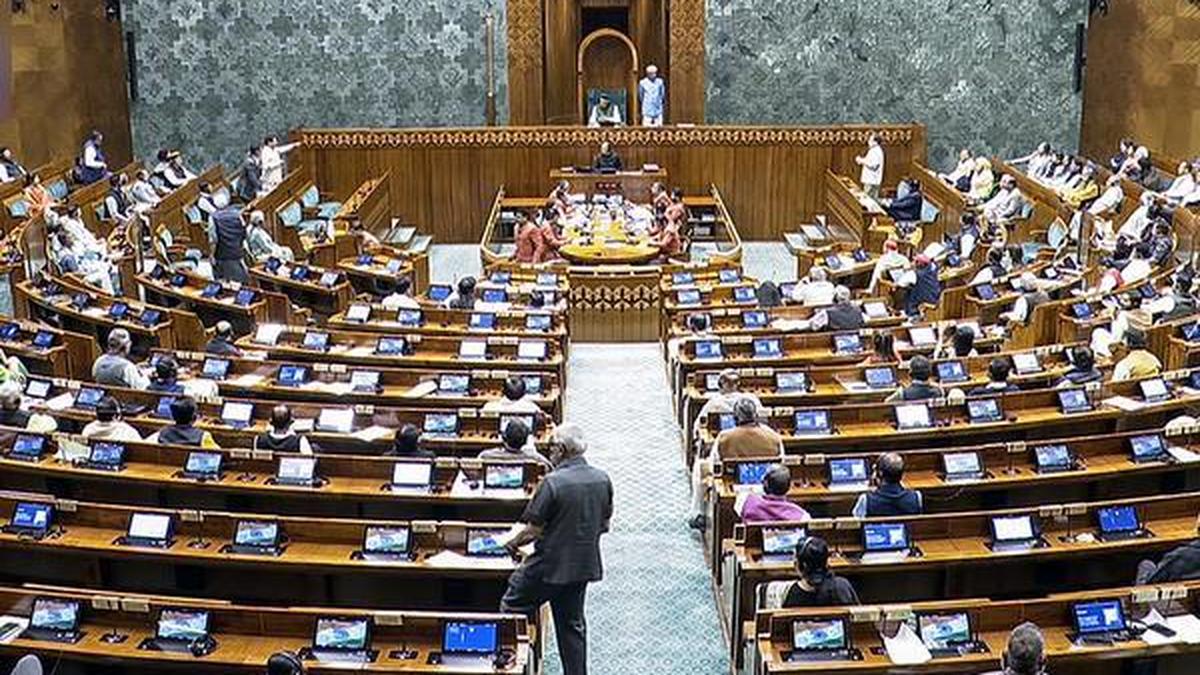
On February 12, 2026, the Indian Parliament witnessed disruptions and heated debates, primarily focused on the Industrial Code Amendment Bill and the interim trade agreement with the United States. The Lok Sabha was adjourned early due to opposition protests, with Rahul Gandhi leading attacks on the government’s trade policies. Simultaneously, the Rajya Sabha bypassed its lunch break to continue discussions on the Union Budget 2026. A BJP MP has also filed a notice to disqualify Rahul Gandhi from Parliament.
Parliamentary proceedings were further complicated by a nationwide strike by central trade unions protesting the new labor codes and the India-U.S. deal, adding to the day’s tumult. The government faced accusations of neglecting laborers and farmers, while opposition parties criticized the budget as being corporate-friendly and inequitable.
Key Points:
- The Lok Sabha debated the Industrial Code Amendment Bill, 2026, which replaces key labor laws from the pre-independence era.
- Opposition parties strongly protested against the interim trade agreement between India and the U.S., accusing the government of surrendering Indian interests.
- Rahul Gandhi led the opposition’s attack on the government, prompting a BJP MP to file a notice seeking his disqualification from Parliament.
- Central trade unions observed a nationwide strike against the new labor codes, highlighting discontent over labor policies.
- The Rajya Sabha continued discussions on the Union Budget 2026, skipping its lunch break to accommodate all speakers.
Critical Analysis:
The events unfolding in Parliament reveal deep-seated tensions and political maneuvering. The disruption of parliamentary proceedings, the widespread labor strike, and the motion to disqualify Rahul Gandhi all point to heightened political polarization. The opposition’s strong stance against the India-U.S. trade deal, coupled with labor unrest over new codes, suggests a growing challenge to the government’s economic policies and its ability to forge consensus. The attempt to disqualify Rahul Gandhi can be seen as an effort by the ruling party to silence a prominent voice of dissent.
Key Takeaways:
- The Industrial Code Amendment Bill faces significant opposition, reflecting broader concerns about labor rights and government policy.
- The interim India-U.S. trade deal is a major point of contention, drawing criticism from opposition parties and triggering widespread protests.
- The political climate is increasingly charged, with attempts to disqualify key opposition figures indicating a more aggressive political landscape.
- Labor unrest poses a substantial challenge to the government, highlighting the need for inclusive economic policies.
- Parliamentary proceedings are heavily impacted by political disagreements, affecting the efficiency of legislative processes.
Impact Analysis:
The current political turmoil has significant implications for India’s economic stability and international relations. Protracted debates and disruptions could delay crucial reforms and hinder economic growth. The opposition to the India-U.S. trade deal may strain relations with a key strategic partner, affecting trade and diplomatic ties. Furthermore, the attempt to disqualify Rahul Gandhi sets a precedent for suppressing dissent, potentially eroding democratic values and political stability in the long term. The government will need to address these challenges through dialogue and inclusive policymaking to ensure sustained progress and social harmony.
 First Piper