
Thu Feb 12 09:11:05 UTC 2026: ### Headline: Education Investment Key to Curtailing Inequality and Boosting India’s Economy, Experts Say
The Story:
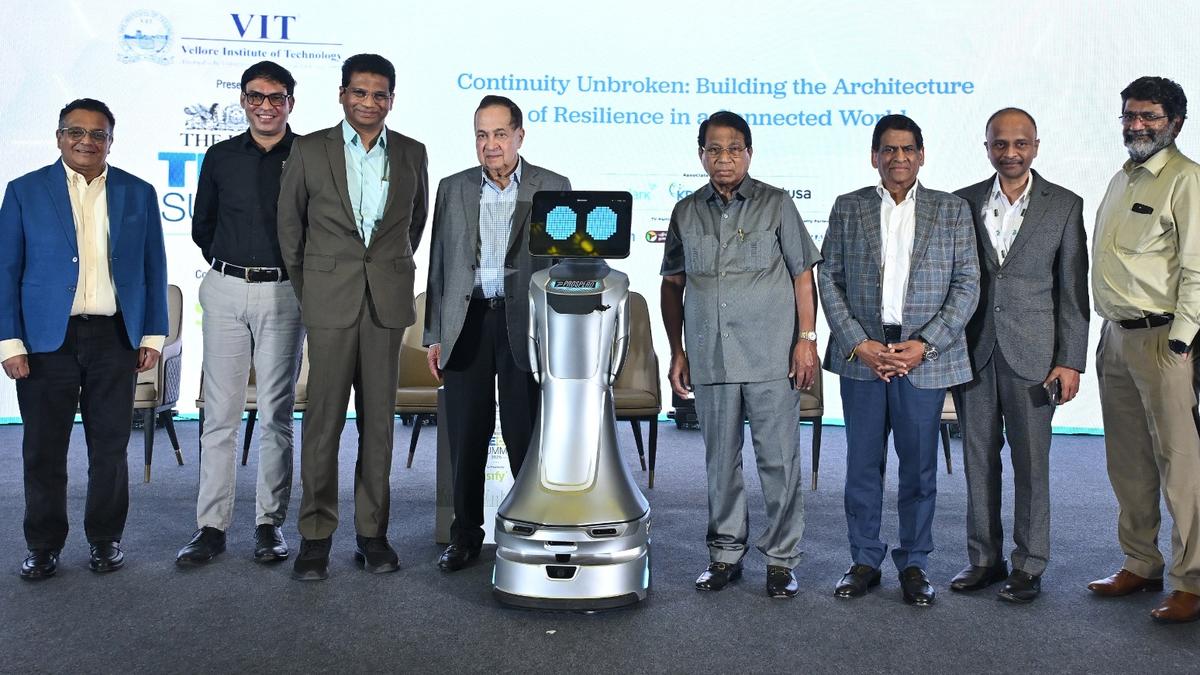
At The Hindu Tech Summit 2026 in Chennai, G. Viswanathan, Founder and Chancellor of Vellore Institute of Technology (VIT), emphasized the crucial role of quality education and increased college enrollment in improving India’s economy and addressing growing inequality. He highlighted India’s rise to the fourth-largest global economy in 2025, surpassing Japan, but cautioned that wealth disparity remains a significant challenge. Raju Vegesna, Chairman and Managing Director of Sify Technologies, delivered the keynote address, asserting that AI is an evolutionary tool that India can leverage for enterprise growth, although careful adoption is required.
Key Points:
- India is now the fourth-largest economy, overtaking Japan in 2025.
- Inequality remains high, with only around 70 lakh people declaring themselves in the higher income group.
- Japan’s per capita income (USD 36,000) is significantly higher than India’s (USD 2,900).
- The number of billionaires in India has grown from 9 in 2000 to over 300 currently.
- The New Education Policy aims to increase the gross enrolment ratio from 28% to 50% in the next 15 years.
- Government spending on education is only 3-4% of the GDP, far short of the 6% recommended by the Kothari Commission.
- Raju Vegesna views AI as an evolution, not a disruption, offering opportunities for Indian enterprises.
Critical Analysis:
The summit takes place amidst a backdrop of socio-economic tensions, as suggested by the related historical context. A Bharat Bandh (nationwide strike) hints at potential economic disruption. Simultaneously, protests related to fuel price hikes and steep fines point to rising costs of living and economic pressures on common citizens. A gig worker strike further suggests underlying issues with labor practices and income inequality. All these factors amplify the urgency of Dr. Viswanathan’s message on the importance of education in addressing inequality, as the events indicate dissatisfaction among various segments of the population with the current economic landscape.
Key Takeaways:
- While India’s economic growth is undeniable, the benefits are not evenly distributed.
- Increased investment in education is vital for long-term sustainable growth and social equity.
- The government needs to significantly increase its spending on education and research & development.
- AI presents an opportunity for India to accelerate economic growth, but responsible implementation is crucial.
- The events point to a growing need for policies that address economic inequality and improve the living standards of ordinary citizens.
Impact Analysis:
The focus on education investment at the summit, combined with ongoing socio-economic tensions, suggests a potential shift in policy focus towards inclusive growth. If the government heeds the call for increased education spending and implements policies to reduce inequality, it could lead to:
- A more skilled workforce, better equipped to participate in the global economy.
- Reduced social unrest and greater social cohesion.
- Increased economic opportunities for marginalized communities.
- A more sustainable and equitable growth trajectory for India.
However, failure to address these issues could exacerbate existing inequalities and hinder India’s long-term economic potential.
 First Piper