
Sun Feb 08 12:00:00 UTC 2026: ### Headline: Controversy Surrounds Russian Athletes’ Neutral Status at Milan-Cortina Games Amidst War in Ukraine
The Story:
Despite being cleared by the International Olympic Committee (IOC) to compete as Individual Neutral Athletes (AINs) at the Milan-Cortina Winter Olympics, several Russian athletes are facing scrutiny due to alleged links to pro-war activities supporting Russia’s invasion of Ukraine. Evidence provided by the Molfar Intelligence Institute and journalist Artem Khudolieiev casts doubt on the IOC’s vetting process, particularly regarding athletes’ social media activity and connections to individuals sanctioned for their involvement in the war effort. Ukraine’s Olympic Committee and flag-bearer are calling for a review of the neutral eligibility framework, raising concerns about the integrity of the competition.
The controversy is compounded by the fact that a member of the IOC panel responsible for assessing athlete eligibility, Morinari Watanabe, was filmed embracing a sanctioned Russian gymnast, Nikita Nagorny, who is a prominent supporter of the war. This incident fuels questions about the impartiality and effectiveness of the vetting process. The IOC maintains that the panel reviewed athletes in accordance with established principles, but refuses to comment on individual cases.
Key Points:
- The IOC has cleared 13 Russian athletes to compete as Individual Neutral Athletes (AINs) at the Milan-Cortina Games.
- Evidence suggests some approved athletes have connections to pro-war activities, including liking pro-Putin social media content, working with sanctioned coaches, and attending training camps in annexed Crimea.
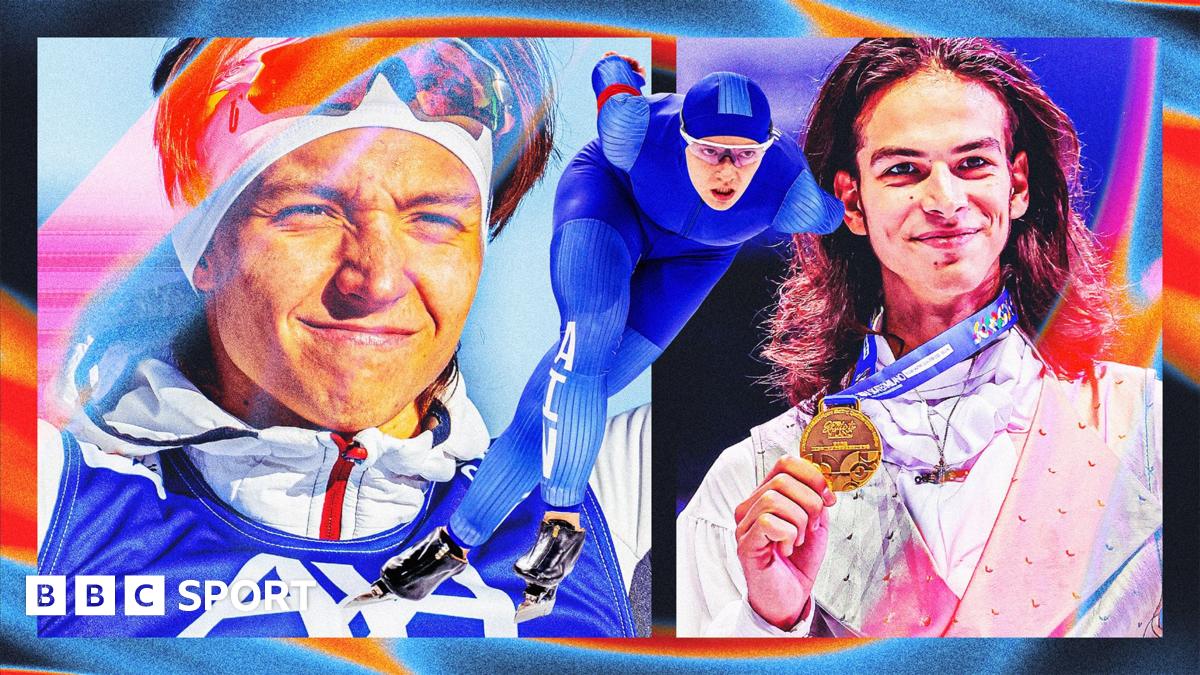
- Figure skater Petr Gumennik has worked with sanctioned coach Ilya Averbukh, who has been dubbed ‘Crimea’s ambassador for sport’
- Cross-country skier Savelii Korostelev liked pro-Putin and pro-military content on Instagram and was described as an “army skier” in a 2023 article published by CSKA.
- Speed skater Kseniia Korzhova liked pro-war content on Instagram from gymnast Nikita Nagorny, who has been sanctioned by the UK and European Union.
- Cross-country skier Dariya Nepryaeva attended a training camp in Crimea in 2022, months after Russia’s full-scale invasion of Ukraine began.
- IOC panel member Morinari Watanabe was filmed embracing sanctioned Russian gymnast Nikita Nagorny in March 2025.
- The IOC maintains its panel reviewed athletes in accordance with established principles.
- Ukraine’s Olympic Committee has written to the IOC to raise concerns about Gumennik and Korzhova.
Critical Analysis:
The controversy surrounding the eligibility of Russian athletes as neutrals highlights the complexities and challenges faced by international sporting organizations in maintaining neutrality and upholding ethical standards during times of geopolitical conflict. The “neutral” label is being weaponized by Russia to minimize the impacts of sanctions against them, particularly in high-profile events such as the Olympics. The IOC’s vetting process appears inadequate, raising questions about its effectiveness in preventing athletes with demonstrable ties to the war effort from participating. Watanabe’s visible support for Nagorny further erode confidence in the vetting process.
Key Takeaways:
- The IOC’s vetting process for neutral athletes is under intense scrutiny and is being actively challenged as insufficient.
- Connections to pro-war activities, even seemingly minor ones like social media likes, are being considered as evidence of a lack of neutrality.
- The participation of Russian athletes, even as neutrals, is a politically charged issue with significant implications for the perception of the Olympic Games.
- The IOC’s decision to allow athletes from Russia and Belarus to compete as neutrals is viewed by some as a betrayal of Ukrainian athletes and a weakening of international sanctions against Russia.
- The controversy is likely to continue and may lead to further calls for stricter vetting procedures or outright bans on Russian and Belarusian athletes from international competitions.
Impact Analysis:
The controversy surrounding Russian athletes at the Milan-Cortina Games could have long-term implications for the Olympic movement. It undermines the credibility of the “neutral” athlete designation, potentially leading to future disputes over eligibility. The incident may also result in stricter guidelines and oversight from the IOC and other sporting bodies, as well as changes to the composition of vetting panels to ensure impartiality. More broadly, the conflict raises questions about the role of sports in international relations and the extent to which sporting organizations can remain apolitical in a world increasingly divided by geopolitical tensions. The reputation of the Olympics and its ability to be a force for good may be at risk.
 First Piper