
Sun Feb 08 13:46:52 UTC 2026: ### India Eyes $500 Billion in U.S. Imports, Foresees a Booming Bilateral Trade
The Story:
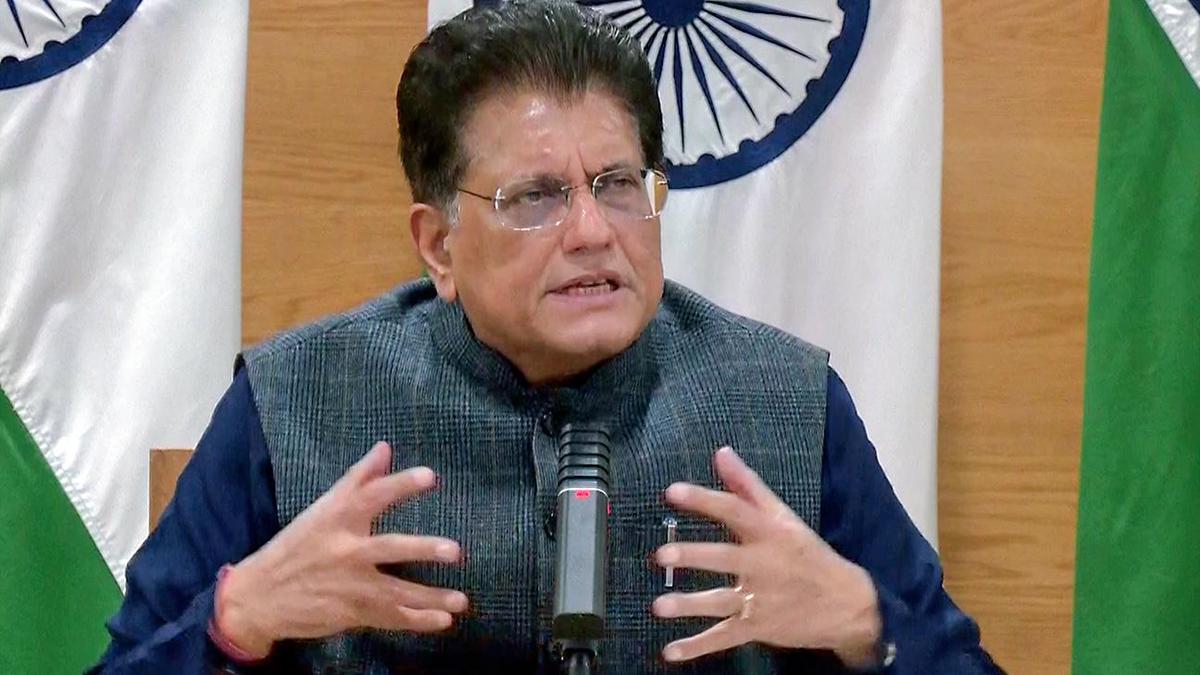
Commerce Minister Piyush Goyal stated on February 8, 2026, that India is poised to import goods worth $500 billion from the United States over the next five years, as part of a bilateral trade agreement. He considers this target “extremely” conservative, given India’s aspirations to become a $30 trillion economy. The plan includes significant purchases of U.S. energy products, aircraft and aircraft parts, precious metals, technology products, and coking coal. Mr. Goyal highlighted India’s growing demand for a variety of goods, including semiconductor chips, high-end machinery, and data center equipment.
Key Points:
- India aims to import $500 billion worth of goods from the U.S. in the next five years.
- This import plan includes energy products, aircraft, technology, and coking coal.
- India currently imports $40-50 billion worth of goods from the U.S. annually but could source $300 billion from the U.S. that it currently buys from other countries.
- Boeing already has orders worth $50 billion for aircraft from India.
- India’s tariffs on goods facing 18% tariffs give it a competitive advantage in U.S. markets compared to China and other Asian countries which face higher levies.
- The bilateral agreement includes safeguards to protect Indian farmers and domestic industries.
- India has not granted any duty concessions in dairy products, GM products, meat, poultry, soya meal and corn.
Critical Analysis:
The increased trade with the U.S. appears to be a strategic move by India to diversify its import sources, especially in sectors critical for economic growth, such as energy, technology, and manufacturing. The Minister’s emphasis on the rising demand for goods due to India’s rapid economic expansion underscores the need for reliable and high-quality imports to sustain this growth.
Key Takeaways:
- India is prioritizing its economic growth, and sees US imports as key to achieving its $30 trillion economy goal.
- The trade agreement aims to reduce dependence on other countries for crucial goods.
- The agreement includes safeguards, indicating both nations are aware of the need to protect domestic industries.
- The trade deal will help Indian farmers who are already exporting agricultural and fish products.
Impact Analysis:
This agreement has the potential to significantly boost trade relations between India and the U.S. It is expected to drive investment in key sectors within India, such as data centers and manufacturing, while simultaneously creating export opportunities for U.S. companies. If successful, this deal could reshape global trade dynamics and strengthen India’s position as a major economic power. The long-term impact includes potentially increased job creation in both countries, technology transfer to India, and greater energy security for India.
 First Piper