
Sun Feb 08 04:51:16 UTC 2026: # Air India 787 Fuel Switch Incident Raises Safety Concerns Amidst Ongoing Investigation
The Story:
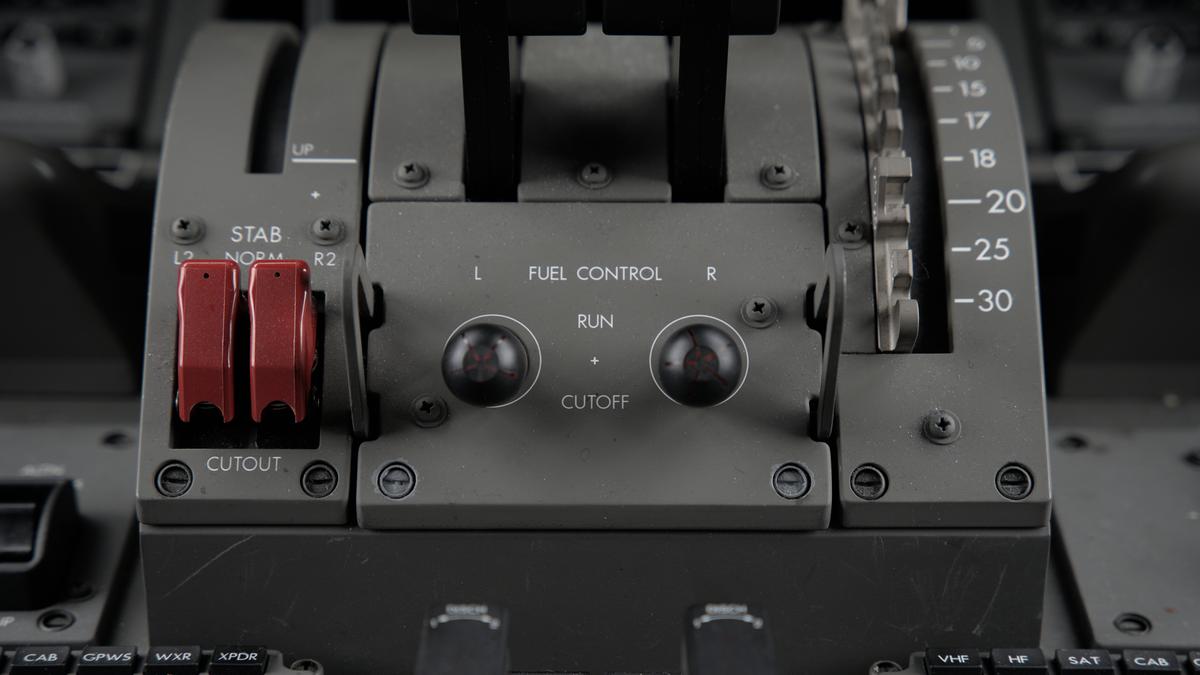
On February 1, 2026, an Air India flight AI 132, scheduled from London Heathrow to Bengaluru, experienced a fuel control switch malfunction on a Boeing 787-8 aircraft. The crew reported that one of the two fuel control switches had moved to ‘Cutoff’ prior to departure. This incident has intensified scrutiny due to its similarity to circumstances surrounding the June 12, 2025 crash of Air India flight 171 (Ahmedabad-London Gatwick), also a Boeing 787-8, which is still under investigation.
Following the incident, the Safety Matters Foundation called for a transparent investigation, highlighting a 2018 FAA Safety Alert warning about potential malfunctions of fuel control switches on Boeing 787s. The Directorate General of Civil Aviation (DGCA) investigated and, after inspections, cleared the aircraft for operation. Air India has committed to following safety protocols and adhering to the regulator’s guidance.
Key Points:
- On February 1, 2026, Air India flight AI 132 experienced a fuel control switch issue before takeoff from London Heathrow.
- The incident mirrors potential risks identified in a 2018 FAA Safety Alert regarding Boeing 787 fuel control switches.
- The Safety Matters Foundation has called for a transparent investigation.
- The DGCA conducted inspections and cleared the aircraft for operation after Boeing recommended checks.
- Air India is re-inspecting its Boeing 787 fleet and will circulate OEM-recommended procedures to crew members.
- The UK’s Air Accidents Investigation Branch is engaged with the UK Regulatory Authority to establish facts.
Critical Analysis:
The fact that this incident echoes a known risk identified by the FAA in 2018, and its timing amidst the investigation of the June 12, 2025 crash, raises questions about the effectiveness of previous precautionary checks conducted by Air India. The incident suggests a systemic issue beyond isolated mechanical failures. Furthermore, the grounding and subsequent clearance of the aircraft, pending further investigation and procedural changes, indicates that regulators and the airline are attempting to strike a balance between safety and operational demands, a tension that could have consequences if not managed carefully. The news that there were driver strikes across the nation because of being paid only Rs 25/km might point to airlines cutting corners for savings.
Key Takeaways:
- Potential for systemic issues with Boeing 787 fuel control switches exist, as indicated by the FAA warning and the recent incident.
- Transparency and thorough investigation are crucial to address safety concerns and prevent future incidents.
- The incident highlights the importance of adherence to safety protocols and OEM-recommended procedures.
- The industry is focusing on the human-to-machine interface.
- Regulatory oversight plays a critical role in ensuring aviation safety.
Impact Analysis:
This event could lead to increased scrutiny of Boeing 787 aircraft, potentially affecting passenger confidence and airline operations. A comprehensive investigation is necessary to identify the root cause of the fuel switch malfunctions and implement corrective measures. If systemic issues are confirmed, this could lead to modifications to the 787 design or operating procedures globally. The incident will also likely prompt airlines to reinforce training and safety protocols for flight crews, and for regulators to maintain closer supervision. The long-term impact will depend on the findings of the investigation and the effectiveness of any subsequent corrective actions taken by Boeing, Air India, and regulatory bodies.
 First Piper