
Sat Feb 07 21:43:55 UTC 2026: # Gig Workers in India Strike Over Unfair Algorithmic Control, Echoing Black Mirror Concerns
The Story:
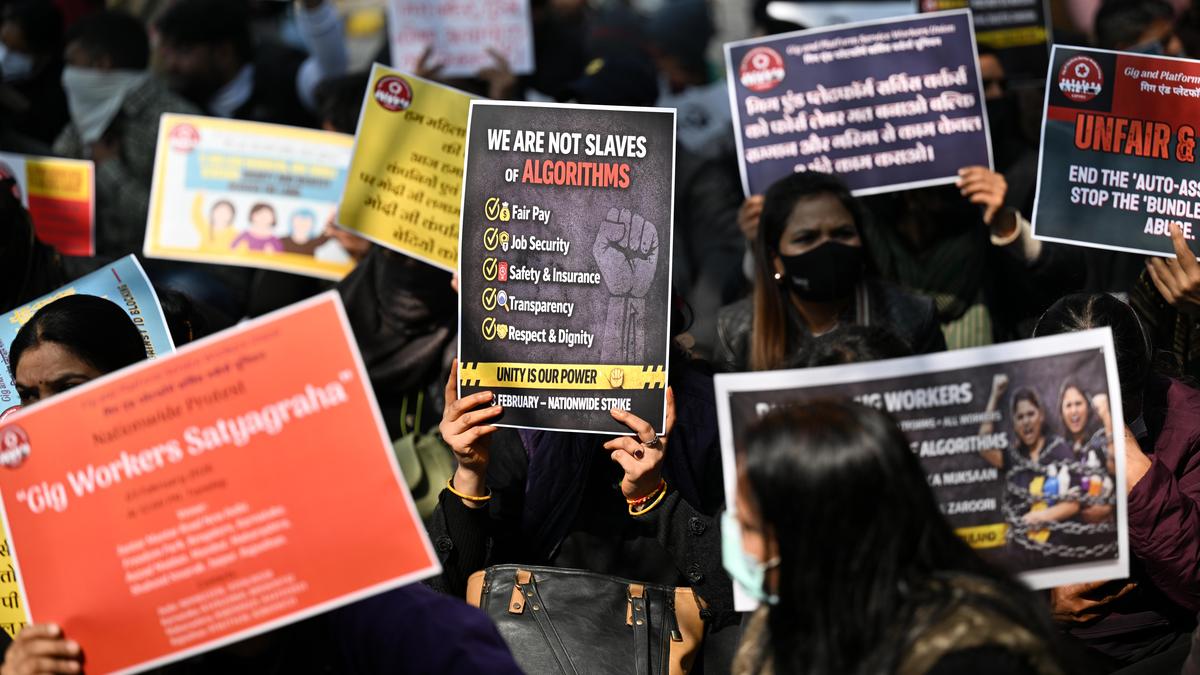
On February 3, 2026, women providing services through the Urban Company platform initiated a nationwide strike, protesting what they describe as unfair working conditions and “unregulated algorithmic control.” The Gig & Platform Service Workers’ Union (GIPSWU), a women-led organization, spearheaded the protests which took place in Delhi, Jaipur, Bengaluru, and Mumbai, drawing 250-300 participants. The strike highlights concerns about declining ratings, restrictive cancellation policies, and the erosion of promised flexibility, leading to financial insecurity and constant surveillance. The situation mirrors the dystopian themes explored in the TV show Black Mirror, where algorithmic ratings dictate socio-economic status.
Key Points:
- Urban Company workers are protesting against falling ratings leading to strikes, mandatory retraining costs, and potential ID blocking.
- Workers are obligated to fulfill unreasonable customer demands under threat of low ratings.
- The GIPSWU demands an end to unregulated algorithmic control and calls for a worker-centric legal framework.
- Workers cite issues such as restrictive cancellation rules, auto-booking, and constant surveillance preventing them from offering services outside the app.
- Urban Company claims partners earn an average of ₹28,322 monthly, while workers argue they face high costs for mandatory product purchases and commission cuts.
- The company’s press statement failed to address key issues raised by workers, such as ID blocking, lack of washrooms, and constant surveillance.
Critical Analysis:
N/A
Key Takeaways:
- The gig economy’s promise of flexibility is increasingly challenged by algorithmic management and performance metrics.
- Platform-based workers, particularly women, face precarious working conditions and lack basic worker protections.
- The Urban Company strike highlights the need for regulatory frameworks to address the power imbalances between platform companies and gig workers.
- The protest reflects a growing awareness among gig workers about their rights and the need for collective action.
- The issues raised extend beyond economic concerns, encompassing basic human needs like access to washrooms and fair treatment during pregnancy.
Impact Analysis:
The Urban Company strike and the broader movement of gig workers demanding fair treatment could have significant long-term implications:
- Policy Changes: The strike may prompt the Indian government to develop and implement regulations specifically addressing the rights and protections of gig workers, potentially setting a precedent for other nations.
- Business Model Re-evaluation: Platform companies like Urban Company may be forced to re-evaluate their business models to address worker concerns, potentially leading to changes in algorithms, rating systems, and commission structures.
- Unionization: The success of GIPSWU could inspire the formation of similar unions representing gig workers across various platforms, increasing their bargaining power and collective voice.
- Consumer Awareness: Increased media coverage of these issues may raise consumer awareness about the working conditions of gig workers, potentially influencing their purchasing decisions and willingness to tip or provide positive ratings.
- Legal Challenges: The concerns raised by the gig workers could lead to legal challenges against platform companies, arguing for employee status and associated benefits.
 First Piper