
Sun Feb 08 10:20:00 UTC 2026: ### U.S. Halts Communication with Polish Parliament Speaker Over Trump Criticism
The Story:
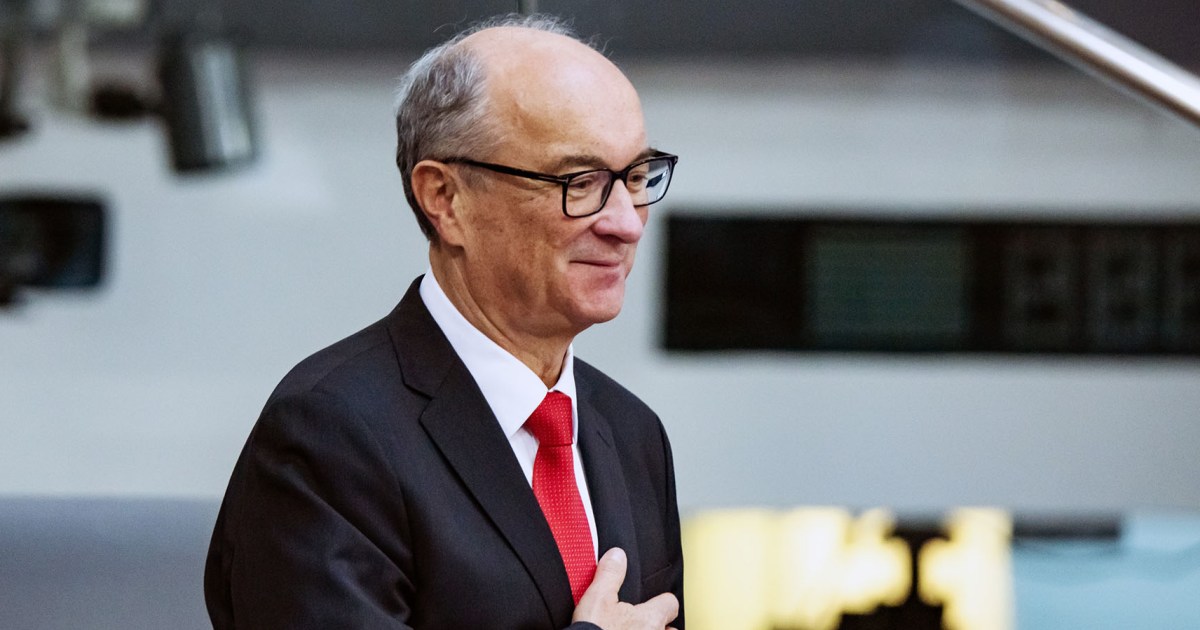
The United States has ceased all communication with Włodzimierz Czarzasty, the speaker of the lower house of the Polish parliament, following what U.S. Ambassador to Poland Tom Rose deemed “outrageous and unprovoked insults” directed at President Donald Trump. The dispute stems from Czarzasty’s public opposition on Monday, February 2, 2026 to an initiative by his Israeli and American counterparts to nominate Trump for the Nobel Peace Prize. This diplomatic rift highlights the delicate balancing act Poland faces between maintaining alliances with its European partners and preserving its crucial relationship with the United States, particularly given the ongoing situation in Ukraine.
Key Points:
- Ambassador Tom Rose announced the U.S. would have “no further dealings, contacts, or communications” with Włodzimierz Czarzasty.
- Czarzasty publicly opposed nominating Donald Trump for the Nobel Peace Prize.
- Czarzasty criticized Trump’s “power politics” and “instrumental treatment of other territories.”
- Prime Minister Donald Tusk responded by stating, “allies should respect, not lecture, each other.”
- President Karol Nawrocki, supported by the Law and Justice party, has a strong relationship with Trump.
- Nawrocki convened a national security meeting to discuss Poland potentially joining Trump’s Board of Peace.
Critical Analysis:
The timing and context of this diplomatic spat suggest deeper strategic considerations. The article states that the Law and Justice party is hoping to regain power in parliamentary elections next year by weakening Tusk’s coalition partners. President Nawrocki, supported by Law and Justice, convened a national security meeting to discuss Poland potentially joining Trump’s Board of Peace, directly opposing Czarzasty’s stance and further weakening Tusk’s coalition. The article also mentions alleged “eastern business and social contacts” of Czarzasty, hinting at attempts to discredit him and his party. This indicates a calculated political maneuver utilizing the U.S.-Poland relationship to influence domestic politics.
Key Takeaways:
- The incident exposes the vulnerability of international relations to the personalities of individual leaders.
- Poland’s internal political dynamics are increasingly intertwined with its foreign policy, particularly concerning the U.S.
- The U.S. is willing to take a strong stance in defense of President Trump, even at the expense of diplomatic relations.
- The timing of the clash may not be accidental; the Law and Justice party, aiming to regain power, appears to be exploiting the situation.
Impact Analysis:
This incident has long-term implications for U.S.-Poland relations and Poland’s standing within Europe. The immediate consequences include:
- Weakening of Poland’s Governing Coalition: The rift between the U.S. and a key member of the governing coalition undermines the stability of the Tusk government.
- Strengthening of the Opposition: The Law and Justice party stands to benefit from the controversy.
- Increased Scrutiny of Poland’s Foreign Policy: Poland’s allies in the EU may question its commitment to a unified foreign policy if it prioritizes its relationship with the U.S. over European consensus.
- Potential for Damage to U.S.-Poland Relations: While not irreparable, this incident could create lingering distrust and make future cooperation more difficult, particularly if Trump’s administration continues to prioritize personal loyalty.
 First Piper