
Sun Feb 08 12:00:00 UTC 2026: ### Russia Remains Banned, Athletes Compete as Neutrals Amid Ukraine War and Doping Scandals
The Story:
For the second consecutive Olympic Games, Russian athletes will not compete under their national flag. This year, 13 Russian athletes will participate in the Milan Cortina Games as Individual Neutral Athletes (AINs), a designation shared with 7 Belarusian athletes. This decision, echoing the Paris 2024 Games, is a direct consequence of Russia’s invasion of Ukraine and Belarus’s support in the conflict. The ban extends to national symbols; no Russian or Belarusian flags will be flown, nor will their anthems be played if an AIN tops the podium. The backdrop for this exclusion is the ongoing war in Ukraine, with peace talks continuing without a clear resolution. This continues a pattern of restrictions stemming from past doping scandals and geopolitical actions.
Key Points:
- 13 Russian and 7 Belarusian athletes will compete as Individual Neutral Athletes (AINs) in the Milan Cortina Games.
- The decision stems from Russia’s invasion of Ukraine and Belarus’s support.
- AINs must prove they are not actively supporting the war in Ukraine and sign a commitment to respect the Olympic Charter’s “peace mission.”
- Russia was previously banned due to a widespread doping scandal, starting in 2017.
- Russia’s participation has been under various designations, including “Olympic Athletes from Russia,” due to prior sanctions.
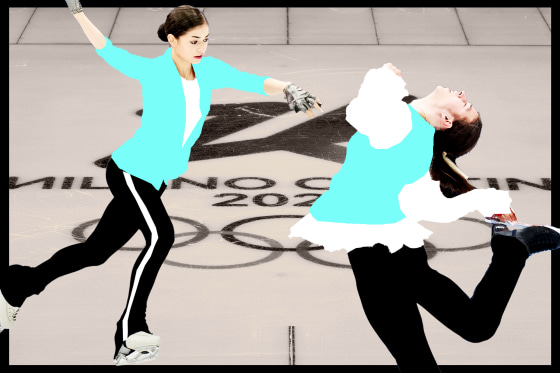
- Figure skaters Petr Gumennik and Adeliia Petrosian are considered the likeliest AINs to medal.
- Russia took home 32 medals at the 2022 Games, despite the doping scandal involving Kamila Valieva.
Critical Analysis:
The decision to exclude Russia and Belarus from competing under their flags at the Olympics is a direct consequence of their involvement in the war in Ukraine, layered atop a history of doping scandals that have plagued Russian sports for years. The IOC’s move to allow athletes to compete as neutrals is a compromise, balancing the desire to uphold the Olympic spirit with the need to condemn Russia’s actions and maintain the integrity of the games. The exclusion also reflects international pressure and sanctions against Russia.
Key Takeaways:
- Geopolitical conflicts significantly impact international sporting events, with Russia’s invasion of Ukraine leading to its exclusion.
- Doping scandals continue to tarnish Russia’s reputation in international sports.
- The Individual Neutral Athlete designation allows some athletes to participate while maintaining sanctions against their nations.
- The future of Russian participation in the Olympics remains uncertain, with no clear end date for the ban.
- The IOC is attempting to balance political considerations with the principles of athletic competition and individual athlete opportunity.
Impact Analysis:
The ongoing restrictions on Russia’s participation in the Olympics have several long-term implications:
- Reputational Damage: The continued bans further tarnish Russia’s image on the international stage.
- Athlete Development: The inability to compete under their national flag can impact athlete morale and future development within Russia and Belarus.
- Political Signaling: The IOC’s stance sends a strong message about the unacceptability of aggression and state-sponsored doping.
- Precedent Setting: This situation sets a precedent for future responses to geopolitical conflicts and ethical breaches in sports.
- Evolving Olympic Landscape: The situation underscores the increasing politicization of the Olympic Games and the challenges of maintaining neutrality in a globalized world.
 First Piper