
Sun Feb 08 09:13:37 UTC 2026: ### India and Malaysia Deepen Strategic Partnership, Focus on Semiconductors, Security, and Trade
The Story:
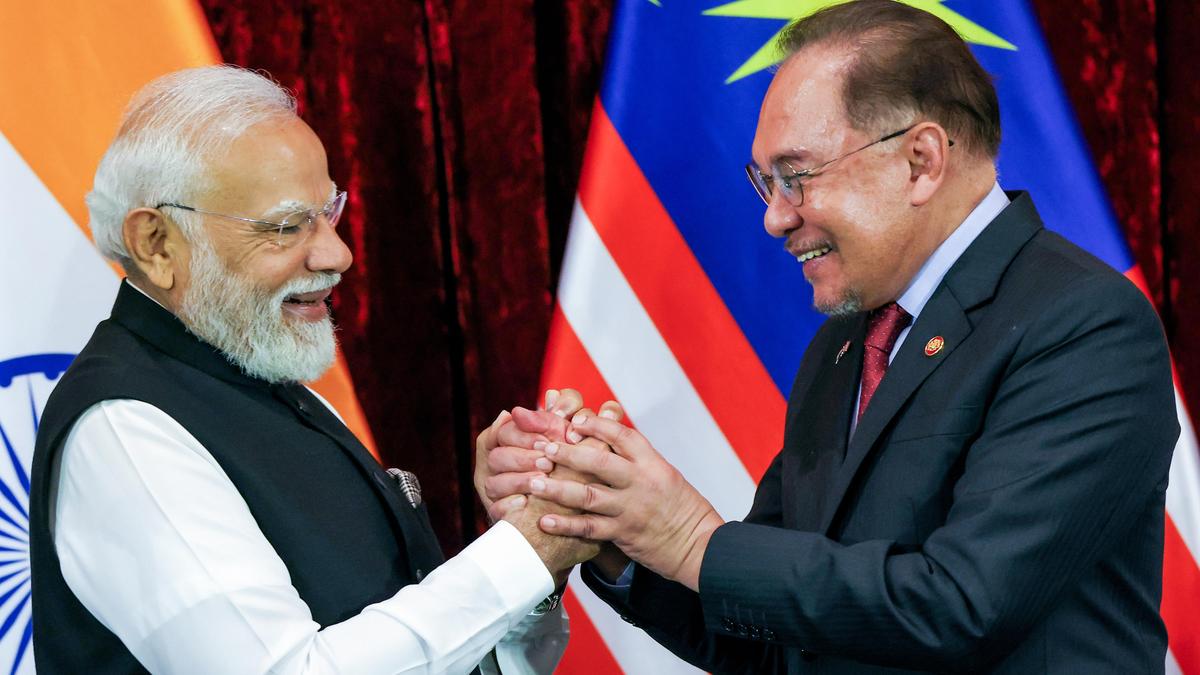
On February 8, 2026, Prime Minister Narendra Modi concluded a significant visit to Kuala Lumpur, marked by extensive talks with Malaysian Prime Minister Anwar Ibrahim. The leaders unveiled numerous initiatives aimed at bolstering cooperation between India and Malaysia across various sectors, including defense and security, semiconductor technology, and trade. Both sides emphasized their commitment to strengthening the Comprehensive Strategic Partnership established in 2024 and addressing regional and global issues.
The visit culminated in the signing of 11 documents and announcements to deepen cooperation. Notably, PM Modi reaffirmed India’s dedication to ASEAN centrality and the Indo-Pacific region’s development. The leaders also unequivocally condemned terrorism in all its forms, highlighting their commitment to combating it through enhanced cooperation.
Key Points:
- India and Malaysia agreed to enhance cooperation in defense and security, particularly in counter-terrorism, intelligence sharing, and maritime security.
- A focus was placed on advancing the partnership in semiconductors, AI, and digital technologies, with Malaysia ranking sixth in worldwide semiconductor exports.
- Both countries reiterated the importance of the ASEAN-India Trade in Goods Agreement (AITIGA) and the Malaysia-India Comprehensive Economic Cooperation Agreement (MICECA).
- Key agreements include the establishment of an Indian Consulate General in Malaysia, a Thiruvalluvar Centre at Universiti Malaya, and Thiruvalluvar Scholarships for Malaysian nationals.
- Cross-border payments cooperation between NPCI International Payments Ltd (NIPPL) and Malaysia’s PAYNET was established.
- Both leaders strongly condemned terrorism in all its forms and manifestations.
- PM Modi met with Malaysian Indian-origin Ministers, Members of Parliament, and Senators.
Critical Analysis:
The series of events leading up to and during PM Modi’s visit to Malaysia indicates a deliberate and strategic effort to enhance bilateral relations. The emphasis on semiconductors, defense, and trade highlights a focus on mutual economic and security interests in the Indo-Pacific region. The condemnation of terrorism reflects a shared concern and commitment to regional stability. The focus on the Tamil language is also significant because there are close ties with PM Ibrahim, and ‘a big fan’ of MGR: PM Modi.
Key Takeaways:
- India and Malaysia are actively strengthening their Comprehensive Strategic Partnership established in 2024.
- Semiconductor technology is a critical area of focus for bilateral cooperation, leveraging Malaysia’s strong position in the sector.
- Both countries are committed to combating terrorism and enhancing security cooperation.
- India reaffirms its commitment to ASEAN centrality and regional stability in the Indo-Pacific.
- Cultural ties, particularly the shared love for the Tamil language, play a significant role in strengthening the relationship.
Impact Analysis:
The deepening strategic partnership between India and Malaysia has several long-term implications:
- Economic Growth: Enhanced trade and investment, particularly in semiconductors and digital technologies, will likely stimulate economic growth in both countries.
- Regional Security: Increased cooperation in defense and counter-terrorism will contribute to regional security and stability in the Indo-Pacific.
- Geopolitical Influence: The strengthened partnership reinforces India’s role as a key player in the Indo-Pacific region and its commitment to ASEAN centrality.
- Cultural Exchange: Initiatives like the Thiruvalluvar Centre and Scholarships will foster greater cultural understanding and people-to-people connections.
- Global Standing: By addressing issues such as trade, security, and technology together, India and Malaysia can amplify their influence on the international stage and contribute to shaping global norms and standards.
 First Piper