
Sun Feb 08 02:46:26 UTC 2026: ### Headline: Karnataka Government Addresses Radiologist Shortage with Ultrasonography Training for MBBS Doctors
The Story:
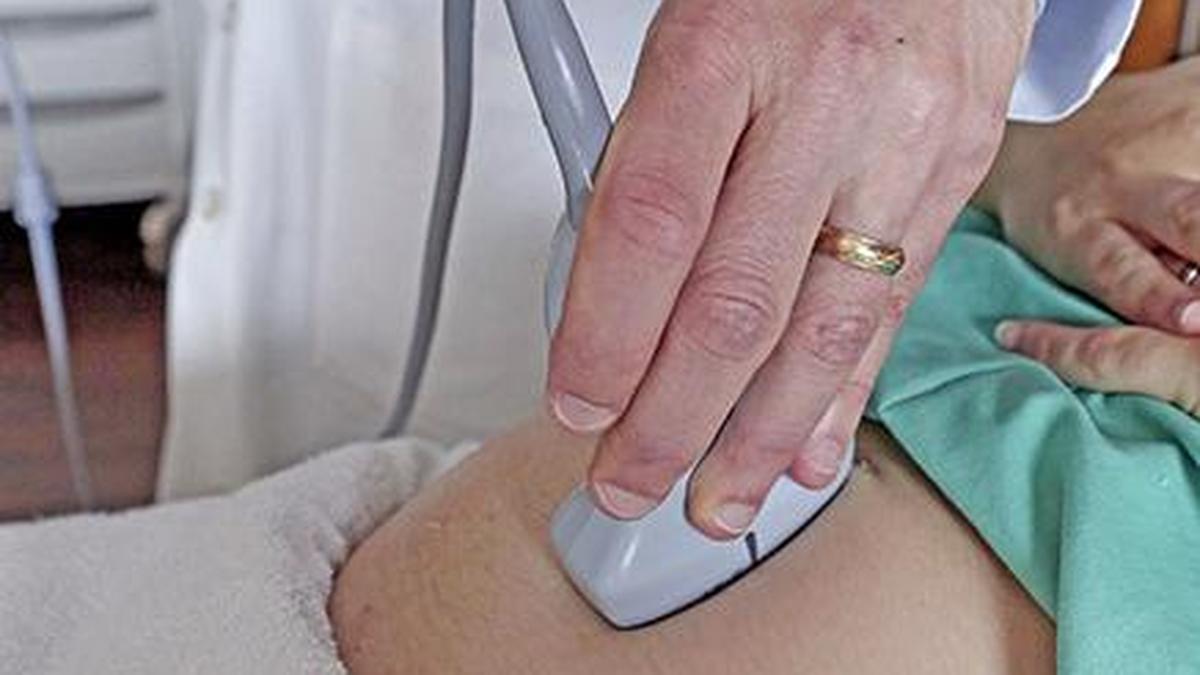
The Karnataka government has announced a new initiative to combat the shortage of radiologists in state district hospitals. An order has been issued granting administrative approval for a six-month ultrasonography training program for in-service MBBS doctors within the Health Department. This decision aims to improve the delivery of crucial antenatal and postnatal services, which have been negatively impacted by the lack of qualified radiologists. To further alleviate the issue, the government plans to create 114 new radiologist positions across the state.
The training program will adhere to the PC & PNDT Act and Training Rules of 2014. It will be conducted across 11 designated hospitals throughout Karnataka, training 69 MBBS doctors under the guidance of 23 faculty members (a 1:3 teacher-student ratio). The trained doctors will be obligated to provide ultrasonography services exclusively in government hospitals.
Key Points:
- The Karnataka government approves six-month ultrasonography training for in-service MBBS doctors.
- The initiative aims to address the shortage of radiologists in district hospitals, impacting antenatal and postnatal care.
- 114 new radiologist posts will be created.
- Training will occur in 11 hospitals across the state, with 69 doctors trained by 23 faculty members.
- Trained doctors must provide ultrasonography services only in government hospitals.
- District health officers are directed to appoint contractual doctors to cover for those in training.
- The Health Department is working on rationalizing specialist deployment under the Mother and Child Health (MCH) triad.
Critical Analysis:
The related historical context doesn’t reveal any significant patterns or strategic depth related to this decision. Thus, this section is omitted.
Key Takeaways:
- The Karnataka government is proactively addressing a critical healthcare gap related to radiology services.
- The government is utilizing existing MBBS doctors to quickly scale up ultrasonography capabilities in government hospitals.
- The initiative includes measures to ensure continued healthcare service delivery during the training period.
- The focus on maternal and child healthcare highlights a priority area for the state government.
Impact Analysis:
This initiative has potentially significant long-term implications for healthcare access in Karnataka. By increasing the availability of ultrasonography services in government hospitals, especially in district hospitals, the program can lead to:
- Improved Maternal and Child Health Outcomes: Earlier and more accurate diagnoses during pregnancy can help reduce complications and improve newborn health.
- Reduced Referrals to Tertiary Hospitals: By providing CEmONC facilities in taluk hospitals, fewer patients will need to be referred to larger, often overcrowded, tertiary hospitals.
- More Equitable Healthcare Access: Improved access to diagnostic services in rural and underserved areas can reduce health disparities.
- A Template for Addressing Other Healthcare Shortages: The government’s approach of upskilling existing medical professionals can serve as a model for addressing shortages in other specialized areas.
 First Piper