
Sat Feb 07 21:13:41 UTC 2026: # Netanyahu to Meet Trump Amid Rising Tensions Between U.S. and Iran
The Story:
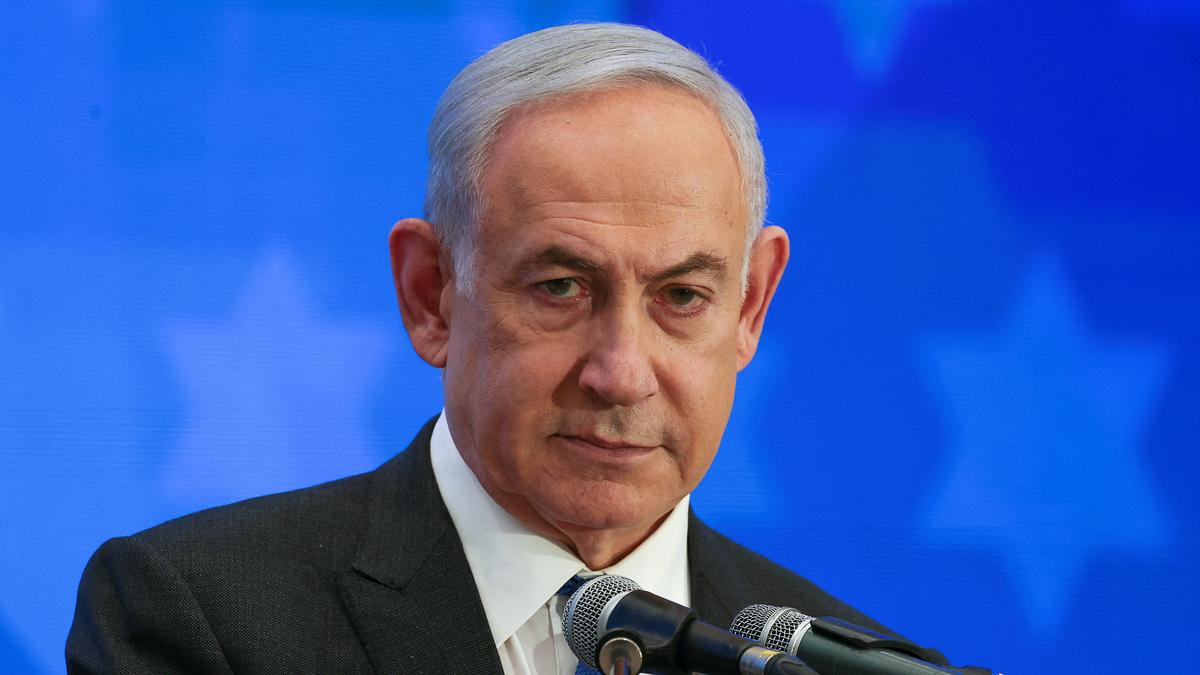
Israeli Prime Minister Benjamin Netanyahu is scheduled to meet with U.S. President Donald Trump in Washington on February 11, 2026, to discuss ongoing American talks with Iran. This meeting occurs against a backdrop of heightened tensions, with Iran’s Foreign Minister Abbas Araghchi threatening U.S. military bases in the region in response to potential U.S. attacks. The U.S. and Iran recently concluded indirect talks in Oman that appeared to be stalled.
Key Points:
- Netanyahu will meet Trump on February 11, 2026, to discuss American talks with Iran.
- Netanyahu insists any agreement with Iran must limit ballistic missiles and end support for militant groups.
- U.S. and Iran held indirect talks in Oman on February 6, 2026, which reportedly stalled.
- Trump has repeatedly threatened military force against Iran to compel a nuclear deal.
- Araghchi warned that if the U.S. attacks Iran, Iran will retaliate against U.S. bases in the region.
- Al Jazeera reported that Egypt, Turkey, and Qatar offered Iran a proposal to halt enrichment for three years.
- U.S. Secretary of State Marco Rubio stated on February 4, 2026, that any talks must include missile and militant group issues.
- Araghchi accused Israel of destabilizing the region and called for sanctions against Israel.
Key Takeaways:
- The meeting between Netanyahu and Trump indicates a coordinated strategy to pressure Iran.
- Iran’s threats against U.S. bases highlight the volatile situation and risk of escalation.
- The stalled nuclear talks, combined with military posturing, increases the potential for conflict.
- Regional actors are attempting to mediate, suggesting widespread concern about a potential war.
- The inclusion of ballistic missiles and support for militant groups as conditions for a deal complicates negotiations significantly.
Impact Analysis:
The convergence of these events carries significant long-term implications:
- Increased Regional Instability: The potential for military conflict between the U.S. and Iran threatens to destabilize the entire Middle East, potentially drawing in other regional powers.
- Nuclear Proliferation Concerns: Failure to reach a nuclear agreement with Iran could lead to increased nuclear proliferation in the region as countries seek to balance the power that a nuclear Iran would posess.
- Shift in Geopolitical Alliances: A protracted conflict or further isolation of Iran could realign existing alliances and create new partnerships in the Middle East.
- Impact on Global Oil Markets: Any disruption to oil production or shipping lanes in the region would have significant global economic consequences.
- Domestic Political Ramifications: The outcome of these negotiations and any potential military action could have a major impact on the political future of both the U.S. and Israel, as well as Iran.
 First Piper