
Sun Feb 08 02:33:32 UTC 2026: ### Headline: Rafah Border Reopening Plagued by Delays and Restrictions, Sparking Humanitarian Concerns
The Story:
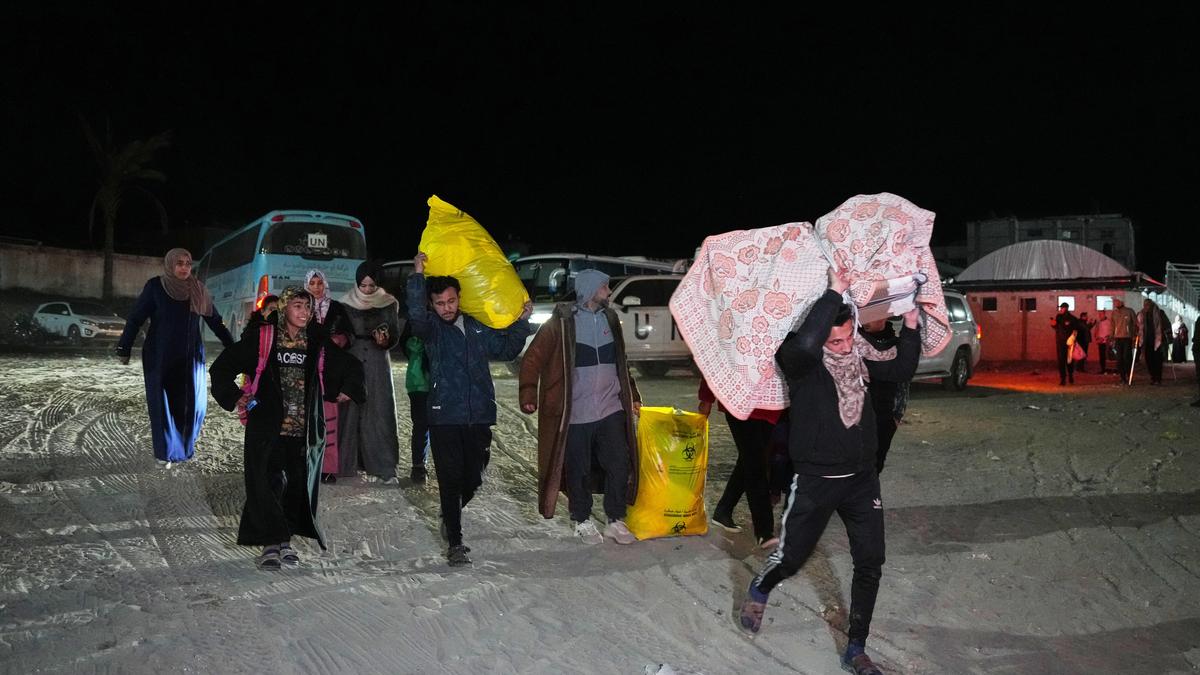
The reopening of the Rafah border crossing between Gaza and Egypt on February 5, 2026, hailed as a potential turning point after two years of conflict, has been marred by significant challenges. While the ceasefire deal offers a glimmer of hope, disagreements regarding permitted travelers, protracted delays, and reports of mistreatment by Israeli authorities have severely hampered operations. The number of Palestinians able to cross in either direction remains far below expectations, exacerbating the already dire humanitarian situation within Gaza, where nearly 20,000 people are seeking medical care unavailable in the war-torn territory.
Key Points:
- The Rafah border crossing, the only link to the outside world not controlled by Israel, reopened on February 5, 2026, after being seized by Israel in May 2024.
- Restrictions limit the number of people crossing to 50 returning to Gaza and 50 medical patients (with two companions each) leaving per day.
- In the first four days, only 36 patients and 62 companions were able to leave Gaza for medical treatment in Egypt.
- Palestinian officials report nearly 20,000 people in Gaza are in need of medical care unavailable locally.
- Travelers allege harsh treatment, including blindfolding and interrogation, by Israeli authorities. Israel denies any “inappropriate conduct”.
- The crossing was reportedly closed on February 6-7, 2026.
- Delays are attributed to disagreements over permitted travelers, luggage restrictions (one mobile phone and a small amount of declared money), and Israeli screening procedures.
- United Nations human rights officials reported a “consistent pattern of ill-treatment, abuse and humiliation by Israeli military forces.”
Key Takeaways:
- The reopening of the Rafah crossing, while symbolically important, is failing to meet the urgent needs of the Gazan population due to restrictive conditions and operational challenges.
- Allegations of mistreatment by Israeli authorities raise serious concerns about human rights and the treatment of Palestinians attempting to cross the border.
- The limited number of people allowed to cross daily underscores the continued blockade-like conditions impacting Gaza and hindering access to essential medical care.
- The conflicting narratives between Palestinian officials, UN reports, and Israeli authorities highlight the deep-seated tensions and distrust surrounding the border crossing.
Impact Analysis:
The struggles surrounding the Rafah crossing have profound long-term implications. The slow pace of people being allowed through and accusations of mistreatment by Israeli authorities, undermine international efforts to stabilize the region. If these issues are not addressed, the Rafah crossing will continue to be a source of tension, potentially derailing the fragile ceasefire. Furthermore, the unmet medical needs and the humanitarian crisis within Gaza will worsen, leading to more regional instability. The reports of alleged mistreatment risk escalating tensions, increasing resentment among Palestinians, and potentially fueling future conflicts.
 First Piper