
Sun Feb 08 14:37:12 UTC 2026: # Tamil Nadu Dairy Minister Addresses Milk Shortage Allegations, Political Landscape Ahead of Elections
The Story:
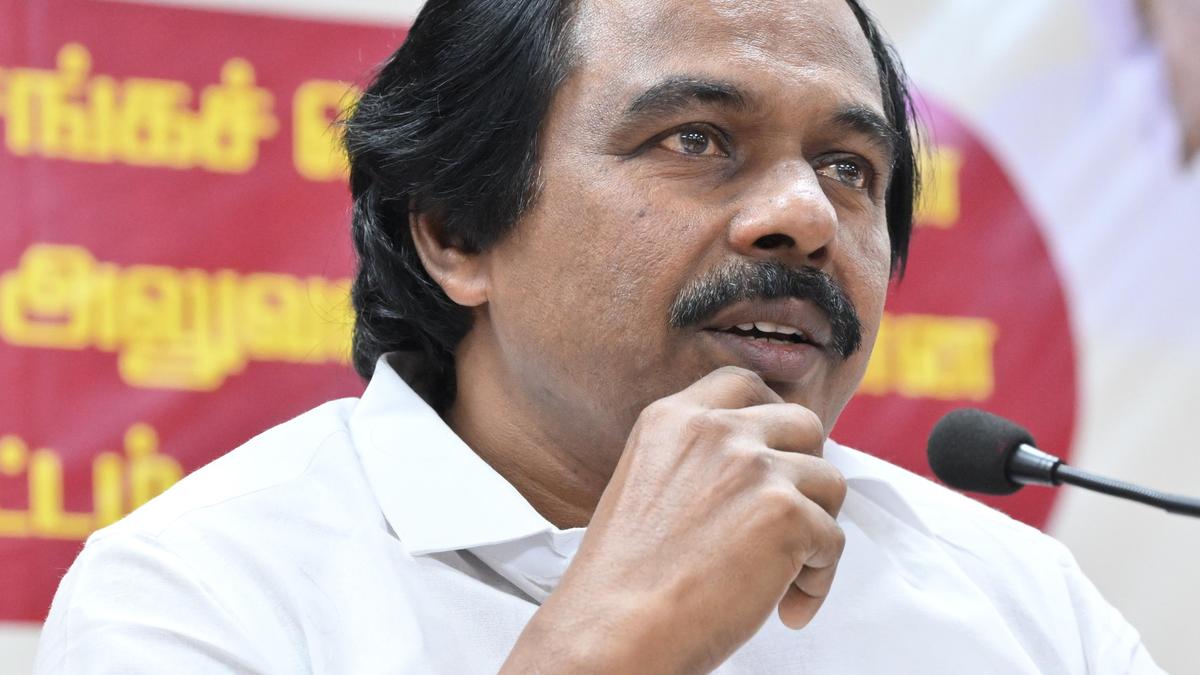
In an interview with The Hindu on February 8, 2026, Tamil Nadu Dairy Development Minister Mano Thangaraj addressed allegations of milk shortages affecting Aavin, a state-owned milk cooperative. He refuted these claims, stating that the milk supply chain remains uninterrupted and that quality has improved. The minister also discussed demands from the Tamil Nadu Milk Producer’s Welfare Association for increased incentives, acknowledging the rising production costs and promising consideration. Furthermore, Thangaraj commented on the potential impact of Tamilaga Vettri Kazhagam (TVK)’s entry into electoral politics, quarrying allegations in Kanniyakumari district, the evolving political alliances between BJP and AIADMK, and the competing welfare promises being made by different parties ahead of the upcoming assembly elections.
Key Points:
- Minister Thangaraj denies any milk supply disruptions at Aavin, citing improvements in milk quality.
- The Tamil Nadu Milk Producer’s Welfare Association is demanding ₹12 per litre incentive and ₹1,000 crore for Milk and Dairy Development.
- The government has already released around ₹800 crore towards the ₹3 per litre incentive and expects to reach ₹1,000 crore by the end of their term.
- TVK’s entry into electoral politics is not expected to significantly impact the DMK’s vote bank.
- Quarrying activities in Kanniyakumari district are under strict regulation, with measures taken to prevent illegal transport of minerals to Kerala.
- Minister Thangaraj dismissed the NDA “double-engine” concept, asserting DMK’s superior development delivery.
- The DMK claims to practice fiscally responsible welfare initiatives, contrasting it with AIADMK’s promises.
Critical Analysis:
The minister’s response to the milk shortage allegations and the demand for increased incentives reveals the government’s attempt to balance the needs of milk producers with fiscal responsibility. The government’s claim of improving the average fat content in the milk from 3.9 to 4.2 indicates that measures for improved milk quality are in place. His dismissal of TVK’s potential impact suggests confidence in the DMK’s established voter base and its welfare initiatives. The minister’s stance on quarrying activities shows an effort to demonstrate accountability and control over illegal activities, particularly with regard to mineral transport to Kerala. The response to the BJP-AIADMK alliance points to the ongoing political rivalries and different visions for development in Tamil Nadu, with DMK presenting itself as a superior alternative.
Key Takeaways:
- The Tamil Nadu government faces pressure to address the concerns of milk producers while maintaining fiscal discipline.
- The upcoming elections are likely to be competitive, with multiple parties vying for votes and offering welfare schemes.
- The DMK seeks to portray itself as a stable and effective governing party, in contrast to its political rivals.
- The issue of quarrying and mineral transport remains a point of contention and requires careful oversight.
- Political alliances are shifting, and different parties have different perspectives on governance and development in Tamil Nadu.
Impact Analysis:
The responses in the interview provides insight into the upcoming election strategies and narratives. The focus on welfare schemes and financial management suggests that these will be key battlegrounds in the electoral campaign. The assertions made by the minister set the stage for continued political competition and scrutiny of the government’s performance across various sectors. The outcome of these events will likely shape the future political landscape and governance of Tamil Nadu.
 First Piper