
Sat Feb 07 21:10:30 UTC 2026: # Tensions Remain High as U.S. and Iran Engage in Indirect Talks Amid Internal Unrest
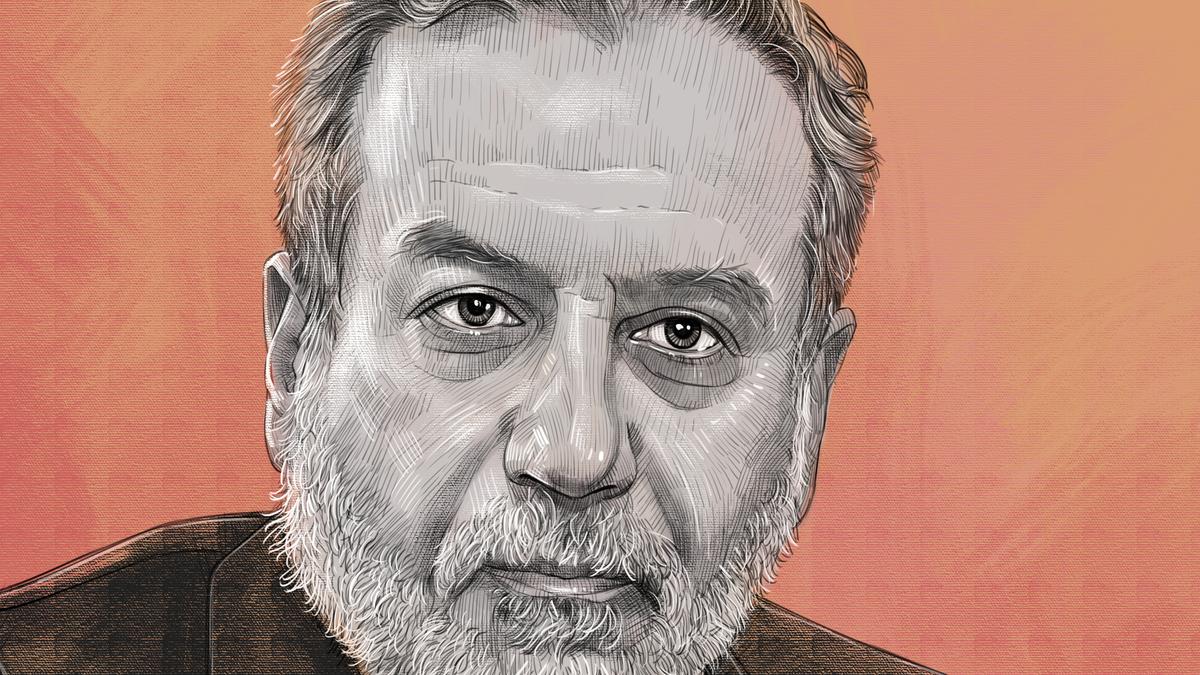
The Story: Iranian Foreign Minister Abbas Araghchi faces a monumental challenge navigating Iran through a period of intense internal crisis and external pressure. Following widespread protests in January 2026, reportedly resulting in 3,000 deaths, the U.S., under President Donald Trump, has deployed significant military assets to the region. Despite the heightened risk of military escalation, indirect diplomatic channels have been opened, with Araghchi meeting with U.S. envoy Steve Witkoff in Muscat on February 6, 2026. While no breakthrough was achieved, the agreement to meet again offers a small window for de-escalation.
Key Points:
- Iran experienced severe internal unrest in January 2026, resulting in a reported 3,000 deaths.
- The U.S. has deployed significant military forces to West Asia in response, with President Trump issuing strong warnings.
- Abbas Araghchi met with U.S. envoy Steve Witkoff in Muscat on February 6, 2026, for indirect talks.
- The U.S. demands the inclusion of Iran’s ballistic missile program and support for regional militias in negotiations, a point of contention with Iran.
- Both sides acknowledge the high stakes involved, with Iran seeking to avoid appearing weak while safeguarding its security interests.
Critical Analysis:
The events unfolding demonstrate a dangerous escalation pattern, starting with internal unrest exploited or fueled by external actors, followed by a show of force and then reluctant engagement in diplomacy. The earlier bombing in June 2025, the subsequent suspension of nuclear talks, and the recent internal protests have created a highly volatile situation. The U.S. appears to be leveraging Iran’s internal vulnerabilities to extract greater concessions regarding its nuclear and regional policies.
Key Takeaways:
- Iran is under immense pressure both internally and externally.
- The U.S.’s “maximum pressure” strategy is creating a precarious situation, increasing the risk of miscalculation.
- The survival of diplomacy hinges on both sides’ willingness to compromise, despite deep mistrust and conflicting agendas.
- The inclusion of non-nuclear issues (ballistic missiles, regional proxies) in the negotiation complicates the process significantly.
- The future stability of the region is heavily reliant on the success or failure of Araghchi’s diplomatic efforts.
Impact Analysis:
The outcome of this crisis has far-reaching implications. A military conflict could destabilize the entire region, leading to a humanitarian catastrophe and disrupting global energy markets. Conversely, a successful diplomatic resolution could pave the way for renewed stability, de-escalation, and potentially a revival of the JCPOA framework, albeit with significant modifications. The future trajectory depends on whether the U.S. and Iran can bridge their differences and find common ground to address the underlying issues. The role of other international actors, particularly the EU, Russia, and China, will also be crucial in shaping the final outcome.
 First Piper