
Fri Feb 06 20:43:34 UTC 2026: ### Headline: India Faces Crossroads on Chabahar Port Amidst US Sanctions Pressure
The Story:
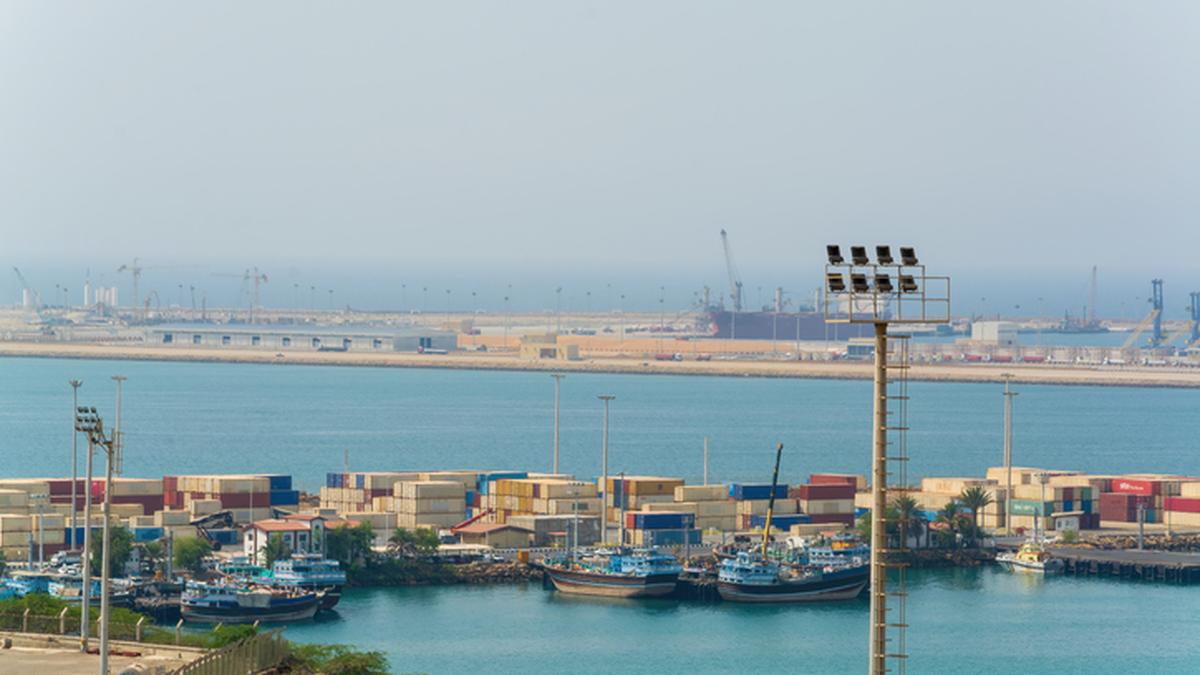
The Indian government is grappling with the future of the Chabahar port project in Iran, having disbursed its committed $120 million well before the U.S. sanctions waiver expires in April 2026. Despite completing its financial obligations under the 2024 Memorandum of Understanding (MoU) with Iran, the government has not clarified its long-term plans for the port. This uncertainty arises as the U.S. maintains sanctions pressure on Iran, threatening India with tariffs if it continues trade. The opposition accuses the government of prematurely abandoning the port project, while Iran’s Ambassador believes India seeks a resolution to continue its involvement.
Key Points:
- India has paid its committed $120 million for Chabahar port equipment.
- The U.S. sanctions waiver for Chabahar expires in April 2026.
- The Indian government ended its budget allocation for Chabahar in the 2026-27 budget.
- Opposition MP Manish Tewari accuses the government of “officially giving up” on the project.
- Iran’s Ambassador Mohammad Fathali believes India wants to resolve the issue and maintain its interest in Chabahar.
- U.S. President Donald Trump has threatened tariffs on India for trading with Iran.
- India “zeroed out” oil imports from Iran since 2019-2020.
- U.S. and Iranian officials met in Oman to discuss de-escalation amid rising tensions.
Critical Analysis:
The historical context provided, including Trump’s previous threats of tariffs and claims that India would cease buying oil from Russia, sets the stage for understanding the current situation. The article highlights that India stopped buying Iranian oil around 2019-2020 after threats from the Trump administration. This indicates a pattern of India yielding to U.S. pressure regarding Iranian relations, despite the strategic importance of Chabahar.
Key Takeaways:
- U.S. sanctions are a significant obstacle to India’s continued involvement in the Chabahar port project.
- India faces a difficult choice between maintaining strategic ties with Iran and avoiding U.S. economic penalties.
- The future of the Chabahar port is uncertain, dependent on both U.S. sanctions policy and India’s strategic priorities.
- The situation reflects the complex interplay of geopolitics, trade, and security interests in the region.
- The potential visit of Iranian President Masoud Pezeshkian to the BRICS summit in India presents a diplomatic opportunity.
Impact Analysis:
The long-term impact of India’s decision on Chabahar could be substantial. Abandoning the project would limit India’s access to Afghanistan and Central Asia, potentially undermining its regional influence. Conversely, defying U.S. sanctions could trigger economic repercussions. The situation necessitates careful diplomacy and strategic planning to balance competing interests and preserve India’s geopolitical objectives.
 First Piper