Sat Feb 07 02:10:00 UTC 2026: ### Biathlon’s Next Generation Takes Center Stage at the 2026 Winter Olympics
The Story:
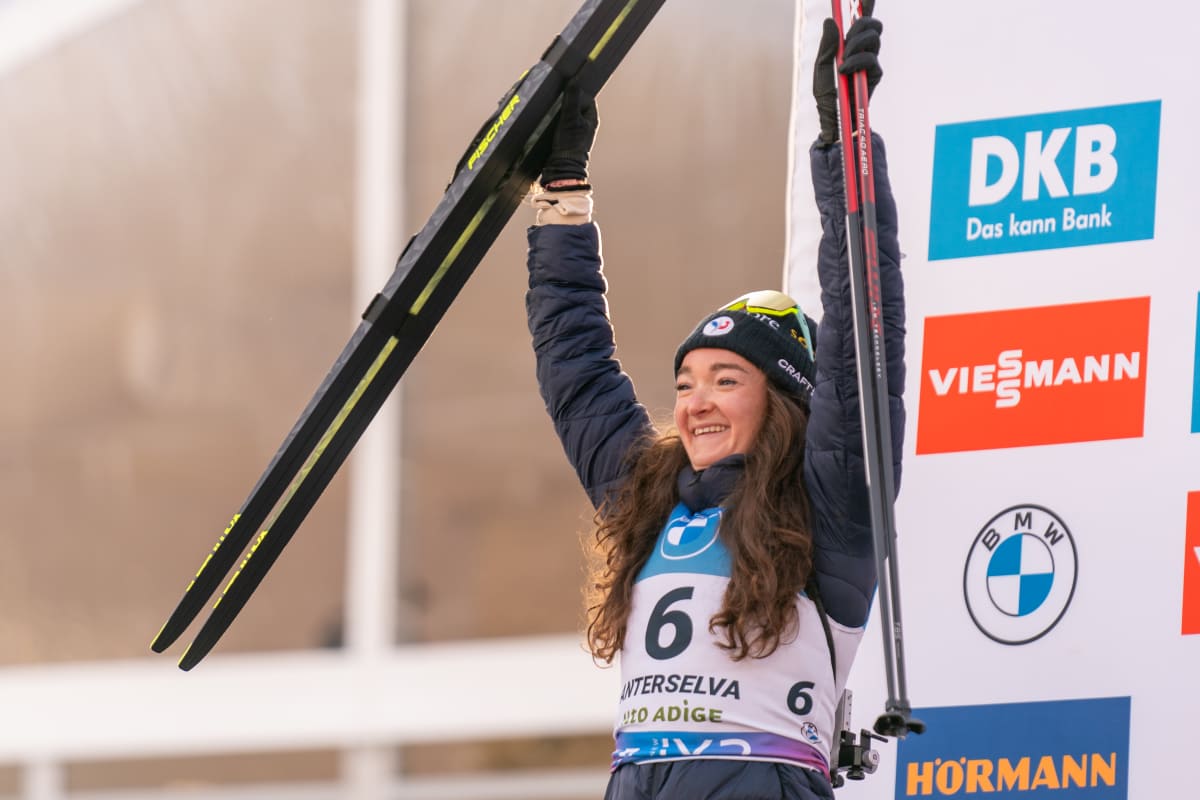
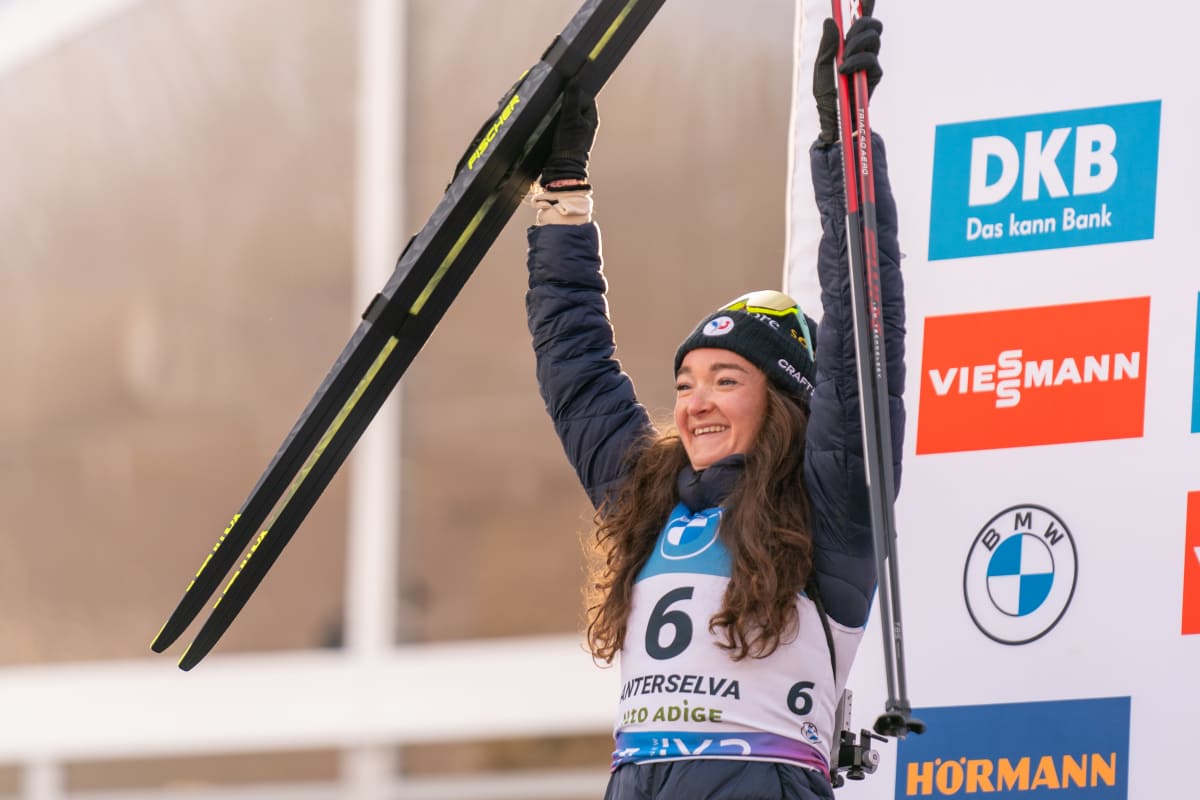
The 2026 Winter Olympics in Antholz are poised to showcase a new wave of biathlon talent. While established stars like France’s Lou Jeanmonnot and Eric Perrot lead the World Cup standings, many countries are ushering in fresh faces to compete on the Olympic stage. The French team strategically opted to participate in World Cup events in Nove Mesto instead of solely focusing on pre-Olympic preparations, likely building confidence for Jeanmonnot and Perrot. Norway, in particular, is rebuilding its team following the retirement of the Boe brothers, while Germany fields numerous Olympic debutants. Several newcomers from various countries are highlighted as potential medal contenders.
Key Points:
- Lou Jeanmonnot and Eric Perrot (France) lead the World Cup standings.
- The French team competed in Nove Mesto during pre-Olympic preparations.
- Norway seeks successors to Johannes Thingnes and Tarjei Boe, pinning hopes on Sturla Holm Laegreid, Vetle Sjaastad Christiansen, and newcomers.
- The German men’s team features several Olympic newcomers, including Justus Strelow, Philipp Horn, Lucas Fratzscher and David Zobel.
- Julia Tannheimer (Germany) is the youngest member of the German Olympic team at age 19.
- Several rookies from France, Sweden, Germany, and Italy are identified as potential medalists.
- Veteran biathletes Simon Eder and Lukas Hofer are participating in their fifth Olympics.
Critical Analysis:
The historical context reveals several concerning issues that could impact the 2026 Olympics. The article regarding climate change making the Winter Olympics harder to host is especially relevant. If weather conditions are unfavorable, it could significantly affect the biathlon competitions, potentially leveling the playing field and increasing the chances for unexpected outcomes and medal wins by newcomers, irrespective of preparations and performance. The strategic choices of teams, like the French team’s decision to compete in Nove Mesto, could be either vindicated or undermined depending on the actual conditions in Antholz.
Key Takeaways:
- The 2026 Winter Olympics will feature a blend of established biathlon stars and emerging talents.
- Team strategies are varying, with some prioritizing competition experience and others focusing on specialized pre-Olympic preparations.
- Climate change poses a potential threat to fair competition at the Winter Olympics.
- The retirement of key athletes has forced teams like Norway to rapidly rebuild and rely on unproven talent.
- Veteran leadership will play a critical role in mentoring and guiding these new athletes.
Impact Analysis:
The success of these newcomers at the 2026 Olympics will significantly shape the future of biathlon. If new athletes perform well, it could inject fresh excitement into the sport, attract new fans, and inspire the next generation of athletes. For countries undergoing team transitions, like Norway and Germany, strong performances by debutants will validate their development programs and solidify their competitive standing in the sport. The veterans of the sport will be passing the torch to a new generation.
 First Piper