
Sat Feb 07 04:15:15 UTC 2026: ### U.S. Lifts Tariffs on Indian Goods After Commitment to Reduce Russian Oil Imports and Expand Defense Cooperation
The Story:
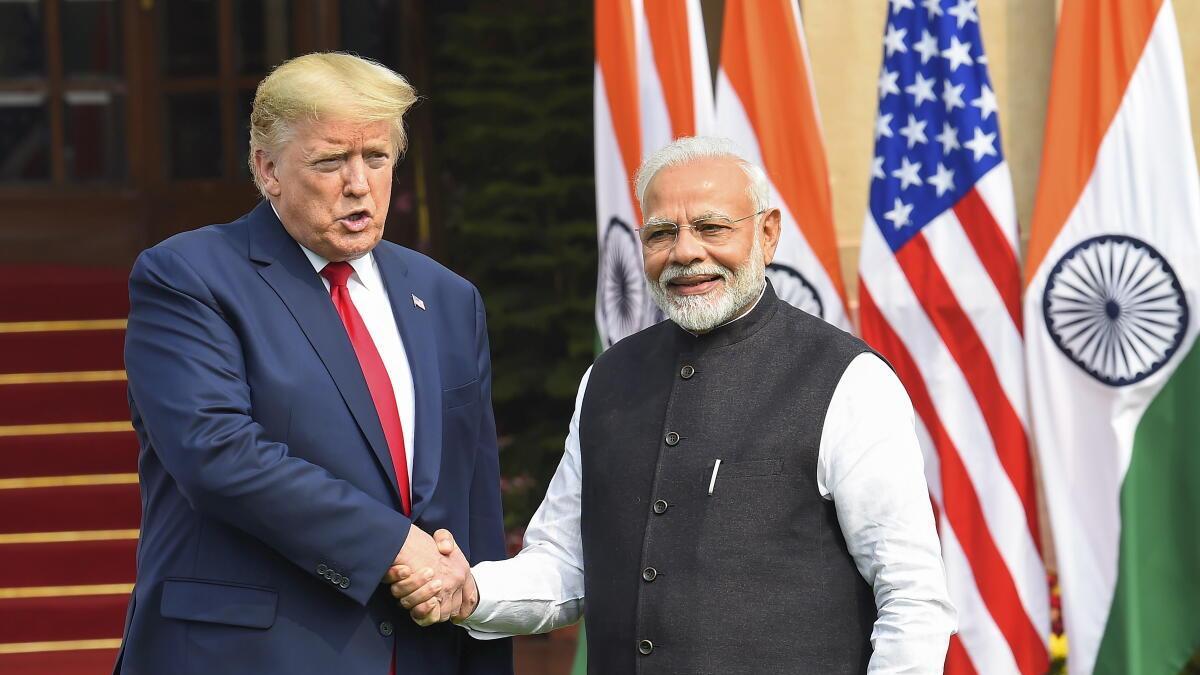
On February 7, 2026, U.S. President Donald Trump announced the removal of the additional 25% tariffs imposed on Indian goods. This decision follows India’s commitment to cease direct or indirect imports of Russian oil and to establish a framework for expanded defense cooperation with the U.S. over the next 10 years. The move is framed as a response to India taking “significant steps” to align with the U.S. on national security, foreign policy, and economic matters.
The executive order stipulates that the tariffs will be reimposed if the U.S. Secretary of Commerce determines that India has resumed importing Russian oil. This decision comes after tariffs were initially placed on India in August 2025 for purchasing Russian crude oil.
Key Points:
- The U.S. is removing the additional 25% tariffs on Indian goods effective February 7, 2026.
- This decision is based on India’s commitment to stop importing Russian oil.
- India has also committed to purchasing U.S. energy products and expanding defense cooperation with the U.S. for the next 10 years.
- Tariffs could be reimposed if India resumes importing Russian oil, as determined by the U.S. Secretary of Commerce.
- Marco Rubio, Secretary of State is authorized to implement the executive order.
Critical Analysis:
The timeline indicates a clear cause-and-effect relationship. The U.S. imposed tariffs on India in August 2025 as a direct response to India’s continued purchase of Russian oil. Now, with India’s pledge to cease these imports and increase defense cooperation, the U.S. is incentivizing this shift by removing the tariffs. The live updates on the trade deal show that India will also purchase $500 billion worth of US goods. This suggests the U.S. is using economic leverage to influence India’s foreign policy and national security alignments, particularly regarding Russia.
Key Takeaways:
- The U.S. is using economic tools to pressure India away from Russian energy dependence.
- India is making strategic concessions to improve its trade relationship with the U.S.
- The U.S. prioritizes reducing reliance on Russian energy sources, even among its allies.
- The framework for expanded defense cooperation signals a deepening strategic partnership between the U.S. and India.
- The removal of tariffs seems directly linked to India agreeing to purchase 500 billion dollars worth of US goods.
Impact Analysis:
This event has potentially significant long-term implications:
- Geopolitical Realignment: It strengthens the strategic alliance between the U.S. and India, potentially impacting regional power dynamics in Asia.
- Energy Market Shift: India’s commitment to reduce Russian oil imports could reshape global energy markets, affecting Russia’s revenue streams.
- Defense Industry Boost: The 10-year defense cooperation framework could lead to increased arms sales and technology transfer between the U.S. and India.
- Trade Relations: The removal of tariffs can improve trade relations between the two countries and boost economic growth for India.
 First Piper