
Fri Feb 06 22:53:50 UTC 2026: ### Headline: Trump Administration Escalates Iran Tensions with New Tariffs Amidst Ongoing Talks
The Story:
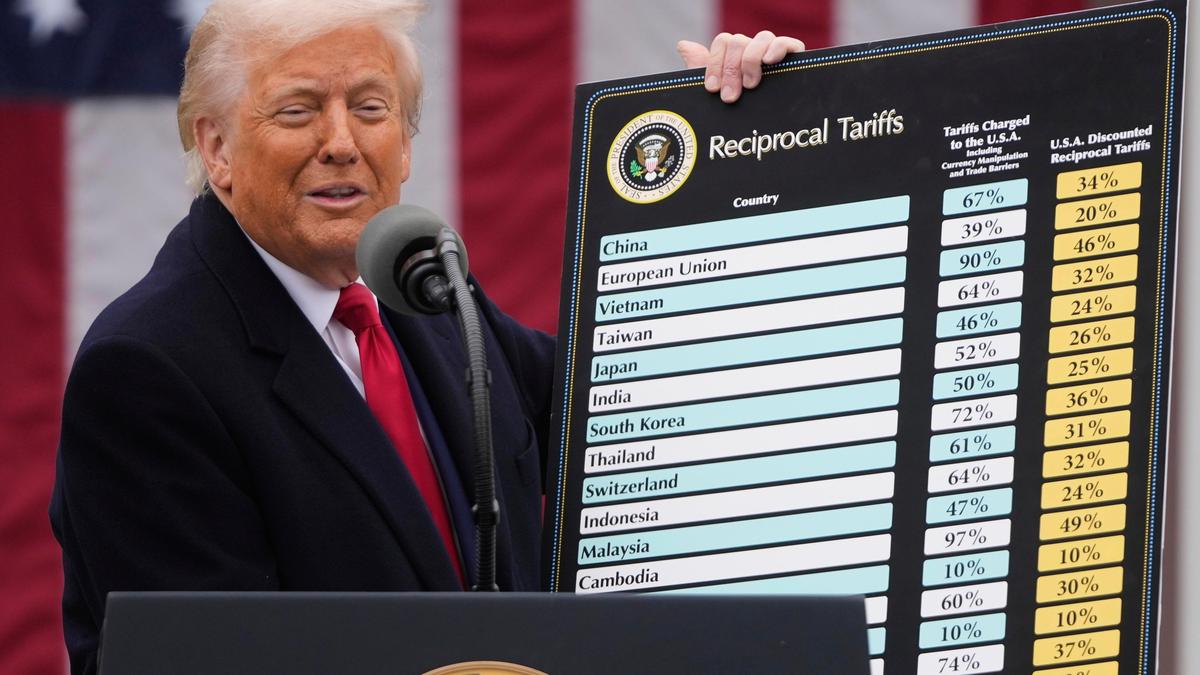
On February 6, 2026, U.S. President Donald Trump signed an executive order that could impose a 25% tariff on countries doing business with Iran. This action comes even as the U.S. and Iran are reportedly engaged in negotiations in Oman. The announcement follows Iran’s rejection of U.S. demands to halt uranium enrichment, as confirmed by an Iranian diplomat.
Key Points:
* President Donald Trump signed an executive order on February 6, 2026, potentially imposing a 25% tariff on countries trading with Iran.
* The order was announced amidst ongoing talks between the U.S. and Iran, held in Oman.
* Iran has rejected U.S. demands to end uranium enrichment during these talks.
* Iranian Foreign Minister Araghchi indicated an agreement with the U.S. to continue negotiations.
Critical Analysis:
The timing of the tariff announcement is strategically significant. Imposing tariffs while simultaneously engaging in negotiations suggests a pressure tactic by the Trump administration. This aligns with a pattern established during Trump’s previous terms, where economic sanctions and threats were used as leverage in diplomatic efforts. Given the historical context of a pardoned January 6 rioter pleading guilty to threatening a US Democratic leader and questions around the stimulus checks during Trump’s presidency, there’s a notable level of domestic political turmoil and potentially a need to project strength on the international stage to distract from internal issues.
Key Takeaways:
* The U.S. is using economic pressure as a key tool in its diplomatic strategy with Iran.
* Iran remains firm on its uranium enrichment program despite U.S. pressure.
* The simultaneous pursuit of talks and imposition of tariffs creates uncertainty in the U.S.-Iran relationship.
* The US domestic issues could be a factor influencing Trump’s foreign policy decisions.
Impact Analysis:
The imposition of tariffs could have far-reaching consequences. Countries that trade with Iran may face a difficult choice between maintaining those relationships and facing U.S. sanctions. This could disrupt global trade, exacerbate tensions in the Middle East, and potentially derail the ongoing negotiations between the U.S. and Iran. The effectiveness of this strategy depends on whether it compels Iran to make concessions or whether it further hardens its position, leading to a breakdown in diplomacy and potentially escalating the conflict. Furthermore, the global community’s reaction will be critical; widespread condemnation of the tariffs could isolate the U.S. and diminish its influence.
 First Piper