
Sat Feb 07 10:12:00 UTC 2026: ### Headline: Leadership Tussle Simmers in Karnataka Congress Amid Metro Fare Dispute
The Story:
Karnataka’s Deputy Chief Minister D. K. Shivakumar addressed speculation about a potential leadership change within the state’s Congress party during a visit to Mangaluru on February 7, 2026. His comments followed demands from Dalit organizations in Chikkamagaluru for Home Minister G. Parameshwara to be appointed Chief Minister. Shivakumar also expressed concern over the central government’s decision to revise Namma Metro train fares in Bengaluru without consulting the Karnataka government.
Key Points:
- D. K. Shivakumar acknowledged the possibility of a leadership change in Karnataka, stating, “Time will reveal whether there is change in the leadership.”
- He responded to demands for G. Parameshwara to be made Chief Minister by stating, “His fans are eager. There is nothing wrong in it. I can’t say no to that.”
- Shivakumar noted that the central government’s committee, headed by a Union Government Secretary, revised Namma Metro fares in Bengaluru without consulting the Karnataka government.
- He plans to discuss the metro fare hike in Bengaluru and expressed his desire to avoid troubling citizens with increased fares.
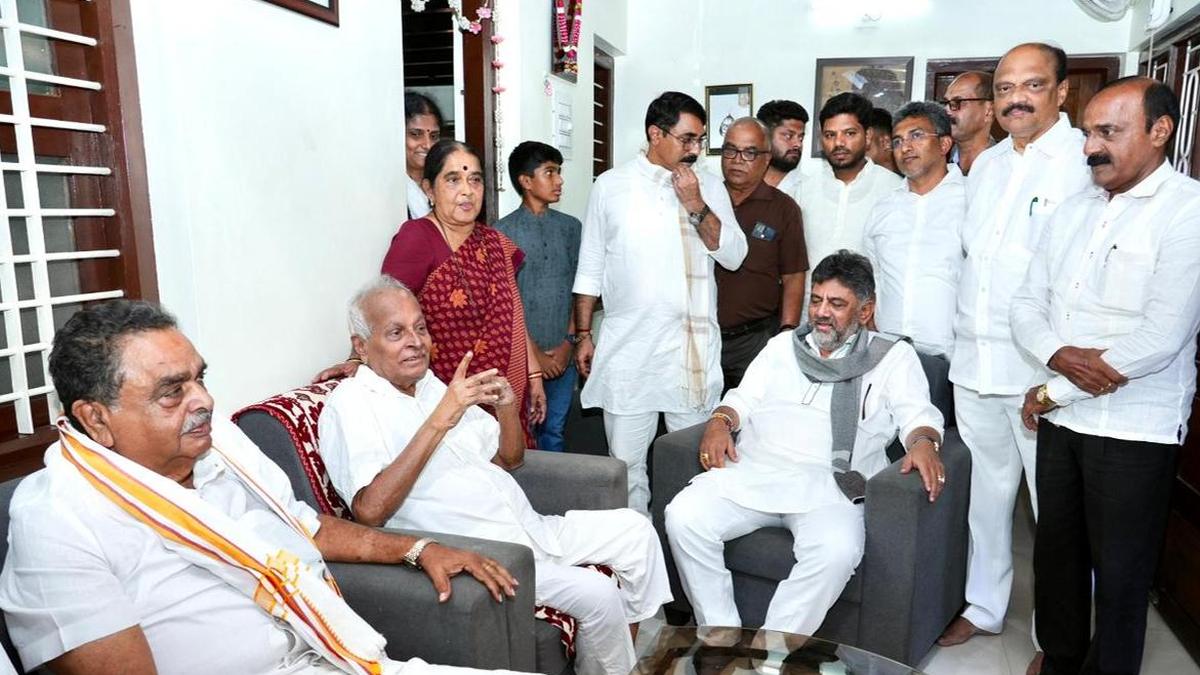
- The Deputy CM visited Bantwal on February 6, 2026, where he met with senior Congress leader B. Janardhana Poojary.
Critical Analysis:
The statement “Time will reveal whether there is change in the leadership” amid demands from Dalit organizations can be viewed as Shivakumar leaving the door open for possible change. Shivakumar appears to be treading carefully, acknowledging different viewpoints while emphasizing the importance of the party’s direction. The timing of these statements, shortly after an India-U.S. trade deal announcement, may be coincidental but warrants consideration if future policy decisions in Karnataka reflect any shifts in political alignment or priorities. The metro fare dispute also suggests a potential point of friction between the state and central governments.
Key Takeaways:
- Internal power dynamics within the Karnataka Congress remain fluid, with potential for leadership changes.
- The central government’s unilateral decision-making on issues like metro fares could strain relations with the state government.
- D. K. Shivakumar is positioning himself as a key player in navigating these challenges.
- Public sentiment regarding metro fares will be a significant factor in future decisions.
- It is important to monitor the political landscape to see if these tensions will affect trade relations or policies.
Impact Analysis:
The leadership uncertainty within the Karnataka Congress could lead to political instability in the state, impacting governance and policy implementation. The dispute over Namma Metro fares could trigger public protests and affect the popularity of both the state and central governments. The resolution of these issues will shape the political landscape of Karnataka in the coming years.
 First Piper