
Sat Feb 07 01:20:00 UTC 2026: ### Pakistan’s Potential Boycott Threatens Sri Lanka’s Economic Recovery in T20 World Cup
The Story:
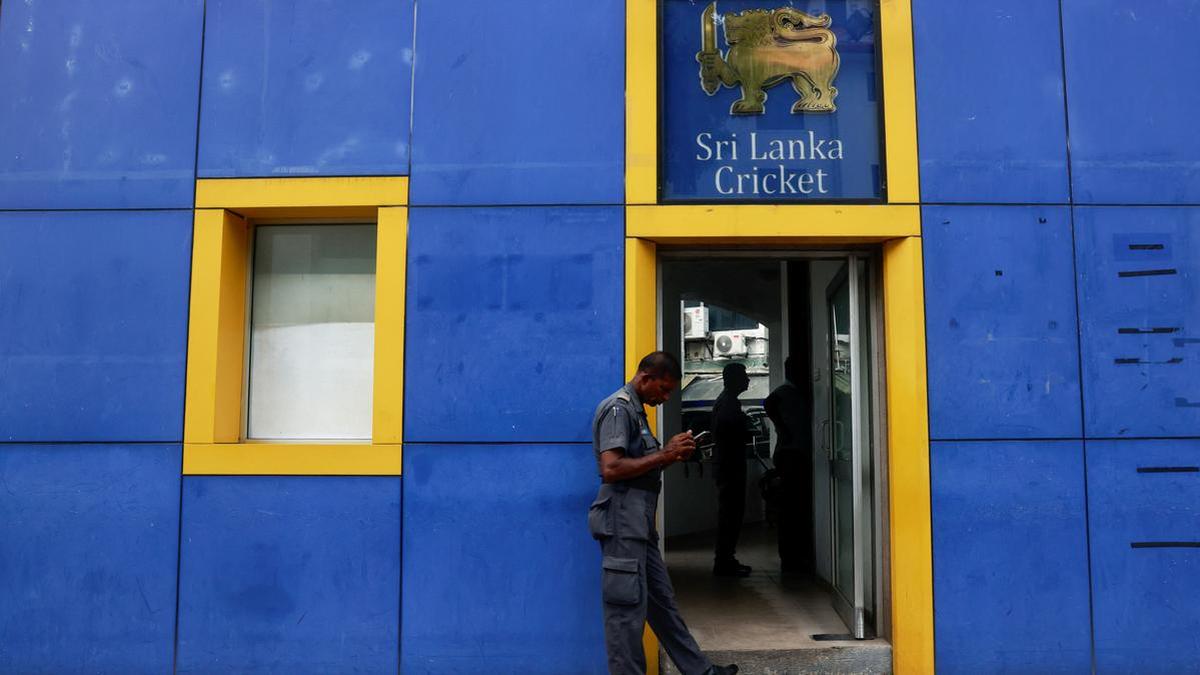
Sri Lanka Cricket (SLC) is urging the Pakistan Cricket Board to reconsider its planned boycott of a Twenty20 World Cup match against India, scheduled for February 15, 2026 in Colombo. The potential forfeiture, stemming from Pakistan’s government’s decision in solidarity with Bangladesh being replaced by Scotland after demanding its matches be relocated from India, poses a significant threat to Sri Lanka’s tourism sector, a critical component of its ongoing economic recovery following the 2022 economic collapse. The SLC highlights the advanced stage of preparations, including security arrangements, hotel bookings, and ticket sales, emphasizing the substantial financial implications of a boycott.
Key Points:
- Sri Lanka Cricket has requested Pakistan to reconsider boycotting the T20 World Cup match against India in Colombo on February 15, 2026.
- The boycott is rooted in Pakistan’s solidarity with Bangladesh, which was replaced in the tournament by Scotland. Bangladesh wanted their matches relocated from India due to security concerns.
- Pakistan argues the ICC is inconsistent as it allows India and Pakistan to play in neutral venues in other tournaments.
- Sri Lanka fears the boycott will negatively impact its tourism sector, which is vital for the nation’s economic recovery.
- The SLC emphasizes that preparations for the match are complete, with security arrangements, hotel bookings, and ticket sales finalized.
Critical Analysis:
The decision of Pakistan to boycott the match is a complex issue. It stems from perceived inconsistencies in the ICC’s security assessments and venue selections. Pakistan may see this boycott as a way to exert pressure on the ICC, potentially seeking more favorable treatment or highlighting what it believes are double standards. Furthermore, the strong ties between Pakistan and Sri Lanka, dating back to Sri Lanka’s tour of Pakistan after the 2009 terror attack, add another layer of complexity. The SLC’s appeal leverages this relationship to encourage Pakistan to prioritize Sri Lanka’s economic interests.
Key Takeaways:
- Political tensions between India and Pakistan continue to affect cricket, leading to potential boycotts and disruptions.
- International cricket tournaments are economically significant for host countries, especially those undergoing economic recovery.
- The ICC’s decisions regarding venue selection and security assessments are under scrutiny and perceived as inconsistent by some member nations.
- Geopolitical alliances and solidarity among nations influence decisions within sports organizations.
- The boycott decision places Pakistan in a corner, where it faces potential repercussions for damaging Sri Lanka’s economy and violating tournament rules.
Impact Analysis:
The outcome of this situation will have far-reaching consequences. A boycott would not only damage Sri Lanka’s economy but could also affect the ICC’s credibility and future tournament arrangements. If Pakistan relents, it could set a precedent for prioritizing economic considerations over political grievances in sports. The long-term impact will depend on whether the ICC addresses the perceived inconsistencies in its decision-making processes and whether India and Pakistan can find ways to decouple cricket from their ongoing political tensions. This event series underscores the growing intersection of sports, politics, and economics on the global stage.
 First Piper