
Sat Feb 07 10:59:44 UTC 2026: # App-Based Taxi Strike Cripples Transport in Andhra Pradesh
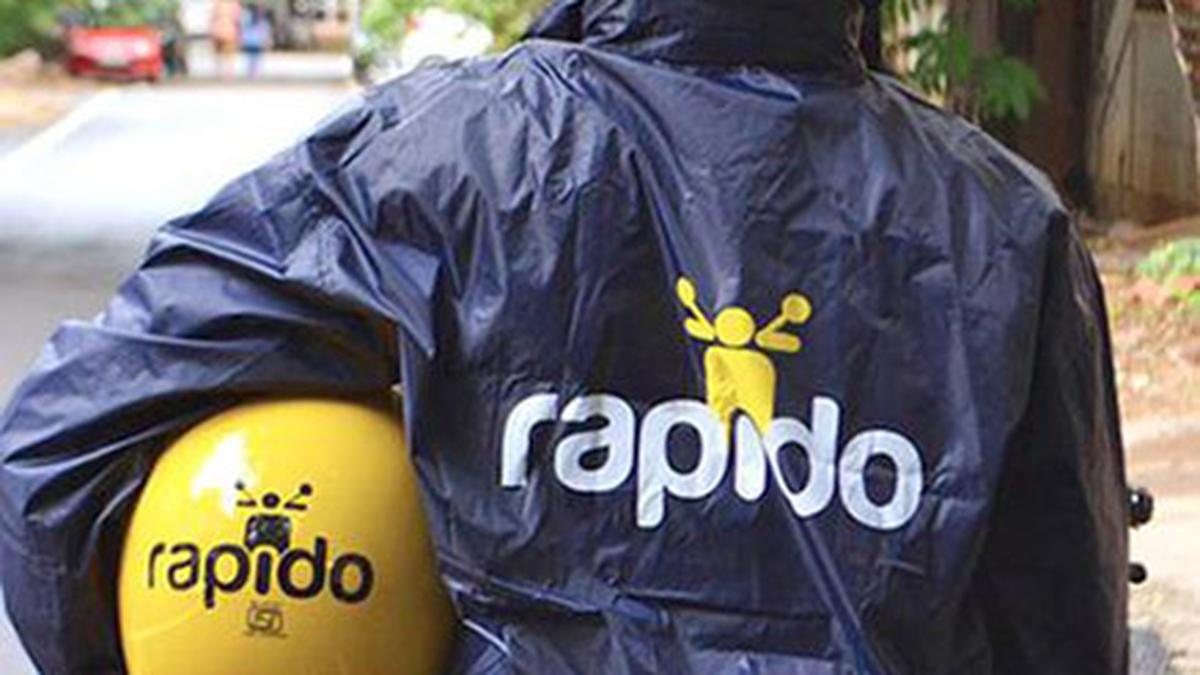
The Story: A one-day strike by app-based taxi services, including Ola, Rapido, and Uber, severely disrupted private transportation in Andhra Pradesh on Saturday, February 7, 2026. Auto, bike, and taxi drivers across cities like Visakhapatnam, Vijayawada, and Guntur participated in the strike, parking their vehicles at key transport hubs and refusing customer orders.
The strike, a response to a nationwide call by various unions, aimed to pressure the Central and State Governments to address the drivers’ demands. These include the implementation of a minimum base fare, stricter regulations on illegal transport vehicles, and a check on arbitrary fare hikes, particularly during night hours. Passengers faced significant inconvenience, especially at bus and railway stations, hotels, and shopping malls.
Key Points:
- App-based taxi services Ola, Rapido, and Uber were affected by the strike.
- The strike took place on Saturday, February 7, 2026, in Andhra Pradesh cities like Visakhapatnam, Vijayawada, and Guntur.
- Drivers are demanding a minimum base fare and a crackdown on unauthorized transport services.
- Passengers experienced significant disruption, particularly at transport hubs like bus and railway stations.
- A Rapido operator, E. Rambabu, cited instances of transporting three people for just ₹80 over distances exceeding 2 km.
- A bike operator, Ramakrishna, stated they charged ₹100 for services up to 5 km from transport hubs at midnight.
- Passenger D. Sailaja was unable to book an auto from Pandit Nehru Bus Station (PNBS) in Vijayawada.
Critical Analysis:
The timing of the strike is important to consider. It follows news that nationwide strikes are being fueled by Rs 25/km and a ban on private taxis. The drivers see this as a chance to be heard so that they may be able to increase pay and improve working conditions.
Key Takeaways:
- The strike highlights the growing discontent among app-based transport service drivers regarding fare structures and competition from unauthorized services.
- The lack of a minimum base fare is a key grievance, leading to perceived exploitation and financial losses for the drivers.
- The disruption caused by the strike underscores the dependence on app-based transportation services in Andhra Pradesh and the potential impact of labor disputes.
- The Central and State Governments are under pressure to address the drivers’ demands and regulate the app-based transport industry to ensure fair compensation and working conditions.
Impact Analysis:
This strike could have long-term implications for the app-based transport industry in Andhra Pradesh and potentially across India. If the government intervenes and regulates fares, it could lead to increased costs for consumers. Alternatively, failing to address the drivers’ concerns could result in further strikes and instability in the transport sector. The outcome of this situation will likely set a precedent for how similar labor disputes are handled in the future. The strike also emphasizes the necessity of government intervention to secure the welfare of gig economy workers.
 First Piper