
Sat Feb 07 13:35:42 UTC 2026: ### Farmers and Workers to Strike in India Over Government Policies
The Story:
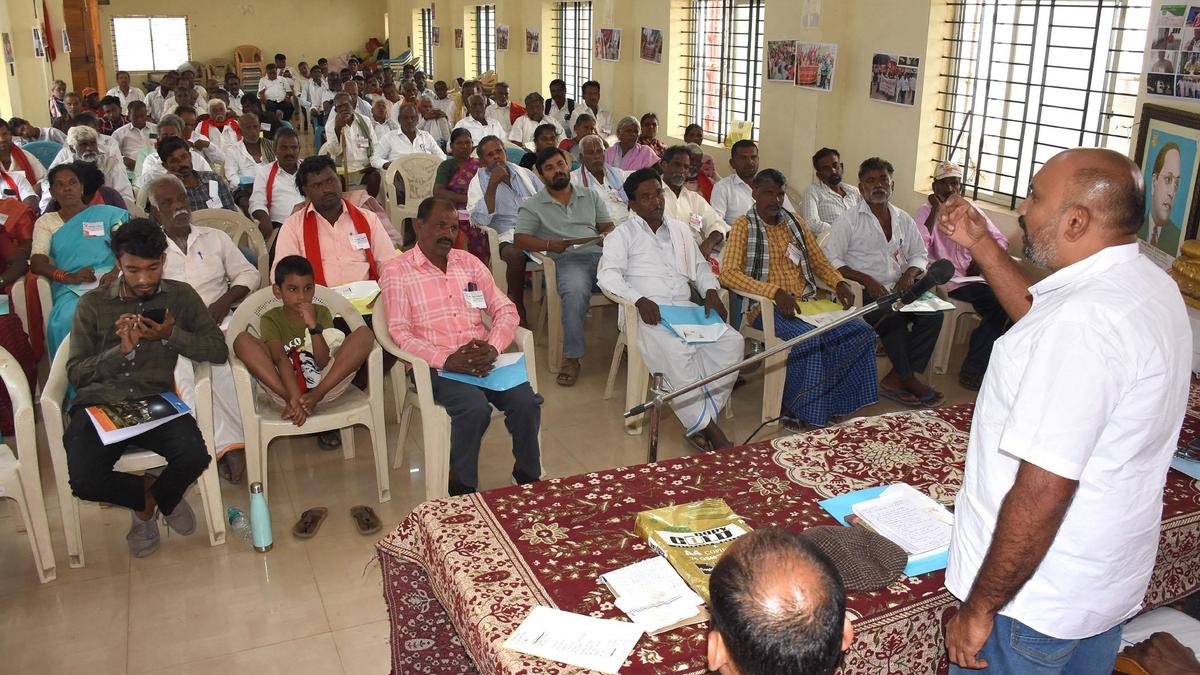
On February 7, 2026, the Karnataka Prantha Raitha Sangha announced an all-India strike scheduled for February 12, 2026. The strike is a protest against what organizers call “anti-farmer” and “anti-worker” policies implemented by both the Union government led by Narendra Modi, and the State government led by Siddaramaiah. The announcement was made during the third Mysuru District Conference of the organization.
The protest stems from grievances over policies perceived to favor corporate interests at the expense of farmers, such as electricity privatization and seed-related laws. Critics also point to the acquisition of agricultural land for development projects by the State government, which they say contradicts the “land to the tiller” principle championed by former Chief Minister D. Devaraj Urs. Farmers plan to lay siege to the Chief Minister’s office in Mysuru in April to demand land titles for Bagair Hukum cultivators.
Key Points:
- An all-India strike is planned for February 12, 2026, led by the Samyukta Kisan Morcha.
- The strike is in response to policies viewed as “anti-farmer” and “anti-worker” by both the Union and State governments.
- The Narendra Modi-led Union government is criticized for electricity privatization and seed-related laws.
- The Siddaramaiah-led State government is criticized for acquiring agricultural land and not granting land titles to Bagair Hukum cultivators.
- Farmers plan to siege the Chief Minister’s office in Mysuru in April to demand land titles.
Critical Analysis:
The timing of the strike, closely following a protest by Grameena Koolikarmikara Sangha (rural laborers association) in late January 2026, suggests a growing trend of rural discontent towards government policies. The Raitara Sangha has been active in other community events in the past few weeks, but this move towards protest represents a clear escalation. The convergence of farmer and worker grievances indicates a potentially widespread social movement against perceived economic injustices.
Key Takeaways:
- The agricultural sector in India faces growing discontent over government policies.
- There is increasing coordination between farmer and worker organizations in protesting government actions.
- The legacy of past land reform movements, such as D. Devaraj Urs’s “land to the tiller” principle, continues to resonate and inform current protests.
- The Modi government’s promises to double farmers’ income are being contrasted with policies viewed as detrimental to farmers’ interests.
- The planned siege of the Chief Minister’s office signals a willingness to escalate protest tactics.
Impact Analysis:
This strike has the potential to significantly impact agricultural production and supply chains across India. Continued unrest could destabilize rural economies and influence upcoming elections. The government’s response to the strike will be crucial. Concessions could appease some protestors, but could also embolden other groups. A failure to address the underlying grievances could lead to prolonged social and economic disruption, potentially leading to further protests. The success of the strike on February 12th and the planned siege in April will be key indicators of the movement’s strength and trajectory.
 First Piper