
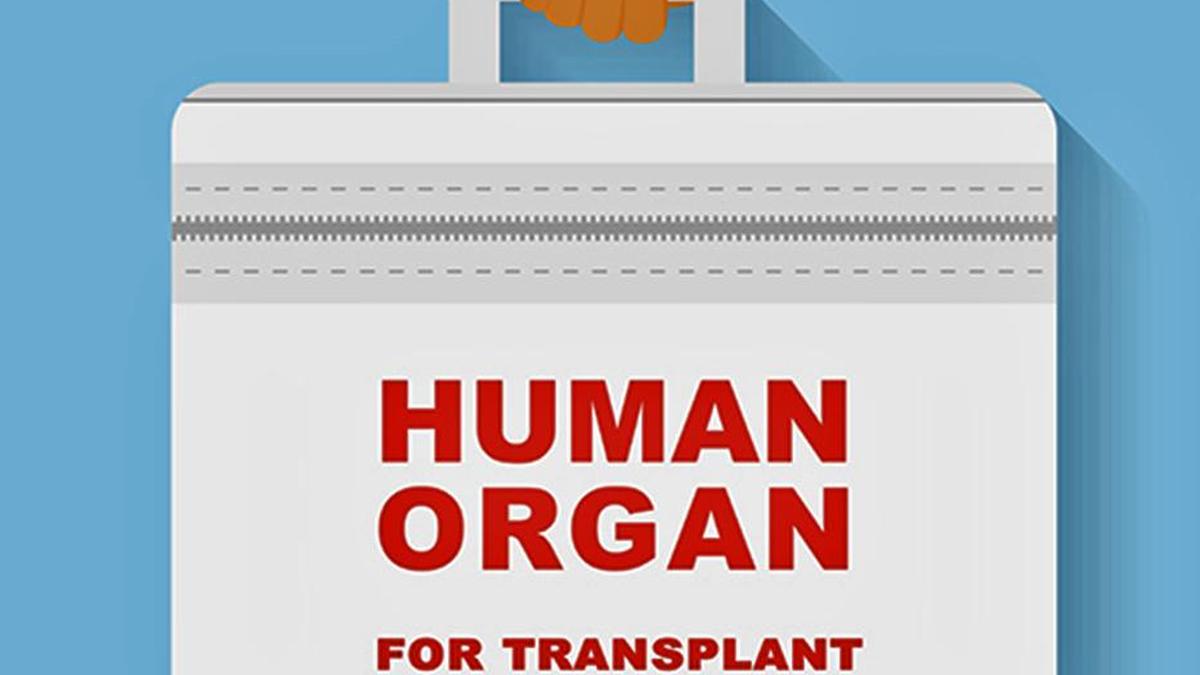
Sat Feb 07 06:13:58 UTC 2026: ### Headline: Karnataka’s State-Funded Organ Transplant Scheme: A Lifeline for BPL Patients
The Story:
Since its launch in 2019, Karnataka’s fully State-funded organ transplant scheme has significantly improved access to life-saving treatment for below-poverty-line (BPL) patients. As of February 7, 2026, the scheme has supported 528 organ transplants, including kidney, heart, and liver transplants, along with bone marrow transplants. The program, implemented through the Suvarna Arogya Suraksha Trust (SAST), provides comprehensive financial assistance covering both the high cost of transplant surgery and lifelong immunosuppression medications, ensuring that the cost of treatment does not prevent eligible patients from receiving the care they need.
The Karnataka government’s commitment extends beyond surgery costs, encompassing long-term care by funding 6,276 cycles of post-transplant immunosuppression medicines. This holistic approach underscores the state’s dedication to improving transplant outcomes and preventing catastrophic health expenditure among vulnerable families. With a total expenditure of ₹28.44 crore, Karnataka stands out as one of the few states to run a fully state-funded transplant model, offering a beacon of hope for those who would otherwise be unable to afford this life-saving treatment.
Key Points:
- As of February 7, 2026, Karnataka’s organ transplant scheme has supported 528 transplants.
- The scheme covers a range of transplants, including kidney, heart, liver, and bone marrow transplants.
- Financial assistance includes surgical costs and post-transplant immunosuppression medicines.
- Total expenditure on transplant surgeries is ₹22.16 crore, and ₹6.28 crore on post-transplant medicines, totaling ₹28.44 crore.
- The scheme is implemented through the Suvarna Arogya Suraksha Trust (SAST).
- Expansion of the program occurred via a government order on January 28, 2025.
Critical Analysis:
The article highlights Karnataka’s commitment to healthcare accessibility for its most vulnerable citizens. When viewed alongside news snippets about a Leukemia patient in Telangana and the crumbling health systems in Yemen, this demonstrates a stark contrast in government prioritization and resource allocation. The Jayadeva Institute in Bengaluru treating Syrian patients speaks to Karnataka’s healthcare infrastructure and accessibility. The difference here is Karnataka is actively funding transplant programs for its own citizens. While Vitamin D3 is important for cancer patients in general, the main story does not have a direct connection.
Key Takeaways:
- State-funded organ transplant schemes can significantly improve access to life-saving treatments for BPL patients.
- Long-term immunosuppression support is crucial for transplant success and should be included in such schemes.
- Karnataka’s model serves as an example for other states looking to address healthcare disparities.
- The Karnataka government is investing significantly into it’s healthcare infrastructure, and helping to bridge treatment gaps for BPL families.
- The scheme provides hope and improved quality of life for economically vulnerable families.
Impact Analysis:
Karnataka’s success with its organ transplant scheme could serve as a catalyst for similar initiatives in other Indian states and developing nations. The program’s comprehensive approach, including long-term immunosuppression support, sets a benchmark for effective and sustainable healthcare policy. If replicated, this model could lead to significant improvements in public health outcomes and reduce healthcare disparities across the country, particularly in areas where access to advanced medical treatment is limited by financial constraints. The investment in healthcare is important and helps bring Karnataka into the future.
 First Piper