
Fri Feb 06 15:48:59 UTC 2026: ### Headline: Lebanon and Syria Sign Prisoner Swap Agreement Amid Tensions with Israel
The Story:
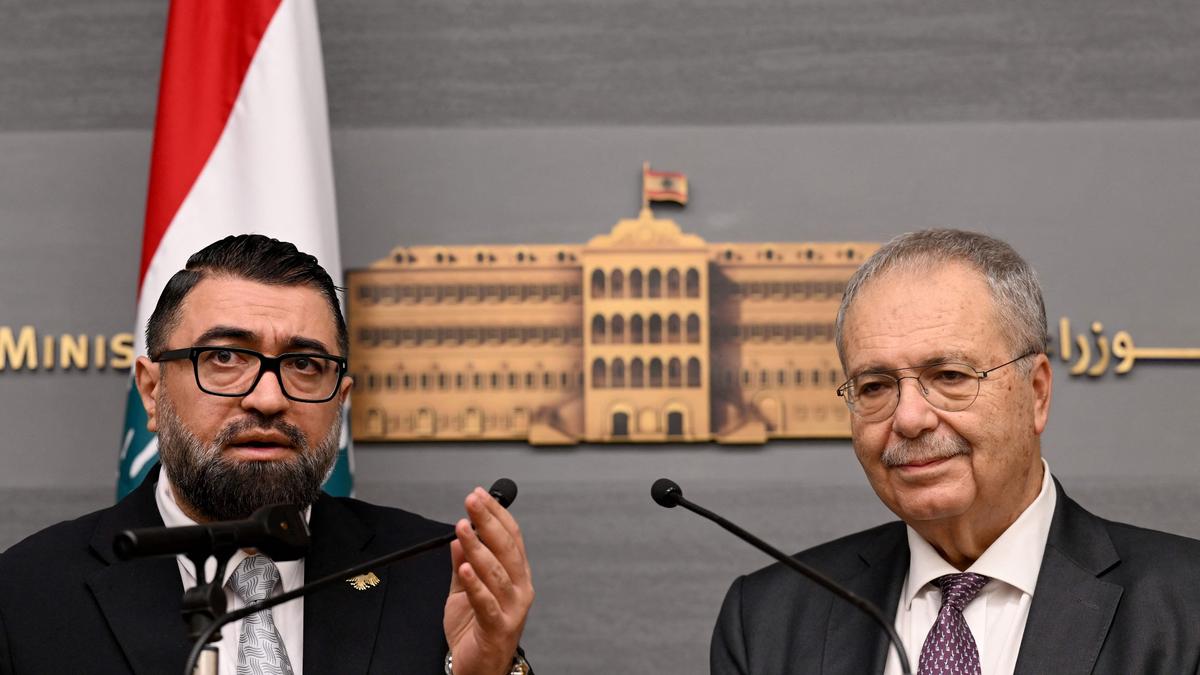
On February 6, 2026, Lebanon and Syria signed an agreement in Beirut to transfer approximately 300 Syrian convicts from Lebanese prisons back to Syria. The agreement, announced by Lebanese Deputy Prime Minister Tarek Mitri and Syrian Justice Minister Mazhar al-Wais, is viewed as a significant step toward improving relations between the two countries. Lebanese prisons currently hold over 2,200 Syrians on various charges, including terrorism and membership in groups opposed to former Syrian President Bashar al-Assad. The deal also includes plans to address unresolved bilateral issues, such as abolishing the Lebanese-Syrian Higher Council and reviewing past agreements made during Syria’s period of influence in Lebanon.
Key Points:
- Lebanon and Syria signed a prisoner swap agreement on February 6, 2026, to transfer around 300 Syrian convicts.
- Lebanese prisons hold over 2,200 Syrians, many awaiting trial on various charges.
- The agreement requires convicts to have served at least 10 years in prison before transfer.
- Lebanon aims to abolish the Lebanese-Syrian Higher Council and review “unfair agreements” from the era of Syrian influence.
- The move is intended to improve relations between Lebanon and Syria.
Critical Analysis:
The prisoner swap agreement occurs amid escalating tensions between Israel and Lebanon, as evidenced by the recent Israeli air attacks and the alleged spraying of chemicals over southern Lebanon. The timing suggests that Lebanon may be seeking to stabilize its relationship with Syria as a strategic maneuver, potentially to create a united front or at least to reduce internal pressures during a period of external threat. The agreement also allows Lebanon to relieve pressure on its overcrowded prison system. Additionally, the celebrations in northern Syria reported on February 3, 2026, may indicate shifting dynamics within Syria itself, influencing the Syrian government’s willingness to engage in such an agreement. The deal is a chance for Syria to reclaim its citizens and bolster its image internationally.
Key Takeaways:
- The agreement signifies a potential thaw in relations between Lebanon and Syria.
- The timing of the agreement is likely influenced by recent Israeli actions and regional instability.
- Lebanon is addressing internal issues, such as prison overcrowding and historical grievances tied to Syrian influence.
- The deal demonstrates a shift away from the post-Syrian withdrawal era as Lebanon reassesses its relationship with its neighbor.
Impact Analysis:
This agreement has several potential long-term implications. First, closer cooperation between Lebanon and Syria could reshape the regional balance of power, especially in the context of ongoing tensions with Israel. Second, the resolution of outstanding bilateral issues, such as border demarcation, may lead to greater stability in the region. Third, the Syrian convicts returning to Syria could impact the internal dynamics of that country, particularly if they are linked to opposition groups. Finally, the prisoner swap agreement sets a precedent for future cooperation on security and legal matters between the two countries.
 First Piper