
Sat Feb 07 09:05:57 UTC 2026: ### Takaichi Eyes Landslide Win Amid Rising Tensions and Shifting Political Landscape
The Story:
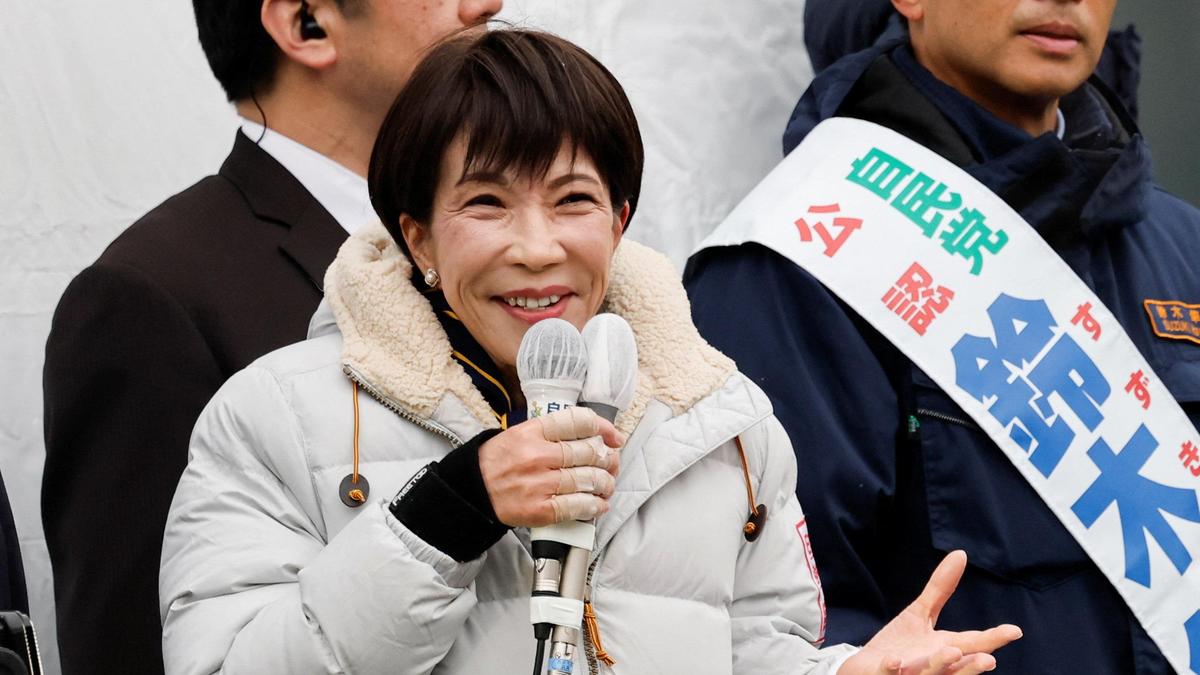
Japan’s Prime Minister Sanae Takaichi, leader of the Liberal Democratic Party (LDP), is leveraging her popularity to secure a decisive victory in the snap election scheduled for February 8, 2026. Riding a wave of approval based on her “work, work, work” mantra, Takaichi aims to bolster Japan’s economy and military capabilities amidst escalating tensions with China and an unpredictable relationship with the United States under President Donald Trump. Polls suggest the LDP, potentially in coalition with the Japan Innovation Party (JIP), could secure a significant majority in the lower house, marking a potential shift towards more right-wing policies.
However, the election is not without its challenges. Takaichi faces scrutiny over her ties to the Unification Church, which has been mired in controversy. Furthermore, the Komeito party’s split from the LDP to form a centrist alliance presents a potential, albeit minor, hurdle. The outcome will determine whether Takaichi can implement her agenda, including revisions to security policies, increased defense spending, and stricter immigration controls, potentially moving Japan away from its post-war pacifist stance.
Key Points:
- Sanae Takaichi, Japan’s first female Prime Minister, is leading the LDP in a snap election on February 8, 2026.
- Polls indicate a potential landslide win for the LDP, possibly securing up to 300 seats in the lower house in coalition with the JIP.
- Takaichi’s agenda includes boosting military capabilities, revising security policies, and implementing stricter immigration controls.
- The Komeito party has formed a centrist alliance with the Constitutional Democratic Party of Japan, offering an alternative to Takaichi’s right-wing policies.
- Takaichi faces scrutiny over her party’s ties to the Unification Church and must address allegations of impropriety.
- President Donald Trump endorsed Takaichi, inviting her to the White House on March 19.
Critical Analysis:
The unfolding events reflect a complex interplay of domestic and international factors. Domestically, the fracturing of traditional alliances and the rise of populism echo broader global trends. The scandal involving the Unification Church adds another layer of complexity, potentially undermining public trust in the LDP. Internationally, escalating tensions with China, compounded by President Trump’s pressure on Japan to increase defense spending, are driving Takaichi’s push for a stronger military and a shift away from pacifism.
Key Takeaways:
- The election signifies a potential shift towards right-wing policies in Japan, particularly in security and immigration.
- The outcome will significantly impact Japan’s relationship with China and the United States.
- Domestic scandals, particularly those related to the Unification Church, pose a challenge to the LDP’s dominance.
- Younger voters’ declining support for war-renouncing policies are accelerating the decline of left-leaning parties.
- The success of Takaichi’s “work, work, work” mantra suggests a desire for strong leadership and economic revitalization.
Impact Analysis:
A decisive victory for Takaichi and the LDP coalition would likely accelerate Japan’s military build-up and potentially lead to a more assertive foreign policy, particularly regarding Taiwan. Stricter immigration policies could impact Japan’s aging population and labor force challenges. A move away from post-war pacifism could further strain relations with China, necessitating careful diplomatic maneuvering. The election outcome will therefore have long-term implications for regional stability and Japan’s role in the global arena.
 First Piper