
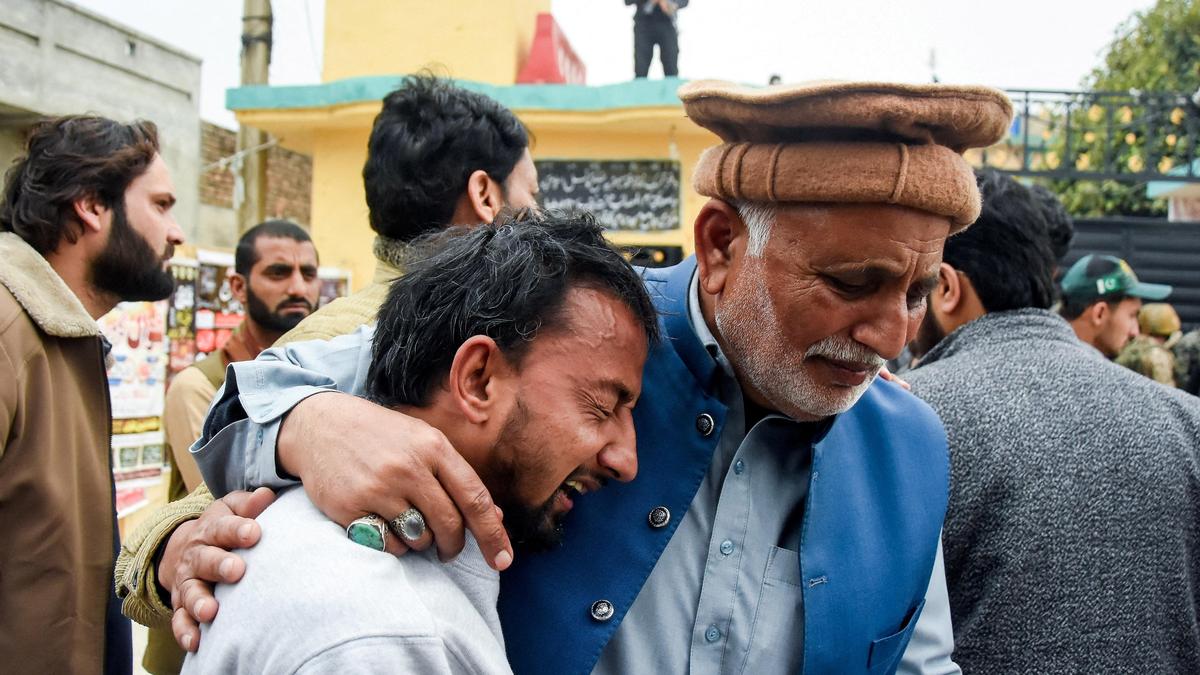
Sat Feb 07 06:17:10 UTC 2026: Headline: Deadly Suicide Blast at Islamabad Mosque Claims Dozens, ISIS Claims Responsibility
The Story:
On February 6, 2026, a suicide bombing at a Shiite mosque in Islamabad, Pakistan, killed at least 31 people and wounded 169 during Friday prayers. The Imam Bargah Qasr-e-Khadijatul Kubra mosque, located on the outskirts of the city, was targeted. The Islamic State group (IS) has claimed responsibility for the attack, marking the deadliest incident in Islamabad since the 2008 Marriott hotel bombing. Funerals for the victims are scheduled for February 7, 2026.
Key Points:
- The suicide bombing occurred at the Imam Bargah Qasr-e-Khadijatul Kubra mosque during Friday prayers.
- At least 31 people were killed and 169 were wounded.
- The Islamic State group (IS) has claimed responsibility for the attack.
- The bomber detonated himself at the gate after being confronted by security.
- Pakistani officials, including Prime Minister Shehbaz Sharif and Deputy Prime Minister Ishaq Dar, condemned the attack.
- The attack comes amid intensifying insurgencies in Pakistan’s southern and northern provinces bordering Afghanistan.
- The last major attack in Islamabad took place in November when a suicide blast outside a court killed 12 people and wounded dozens.
Critical Analysis:
The attack highlights the ongoing security challenges faced by Pakistan, particularly the persistent threat of terrorism. The claim of responsibility by ISIS demonstrates the group’s continued operational capacity and intent to destabilize the region. The timing of the attack, amid escalating insurgencies in bordering provinces, suggests a coordinated effort to exploit existing vulnerabilities.
Key Takeaways:
- The attack underscores the vulnerability of religious minorities in Pakistan to extremist violence.
- ISIS remains a potent threat in the region, capable of carrying out large-scale attacks.
- The security situation in Pakistan is deteriorating, with increasing insurgent activity.
- The Pakistani government faces a significant challenge in countering terrorism and maintaining stability.
- Regional instability and the porous border with Afghanistan contribute to the ongoing security risks.
Impact Analysis:
The Islamabad mosque bombing is likely to have significant long-term implications for Pakistan:
- Increased Sectarian Tensions: The attack will likely exacerbate existing sectarian tensions between Sunni and Shiite communities, potentially leading to further retaliatory violence.
- Heightened Security Measures: The government will likely implement stricter security measures at religious sites and public spaces, which could impact civil liberties.
- Economic Impact: Increased security spending and a decline in investor confidence could negatively impact Pakistan’s already fragile economy.
- International Relations: The attack could strain Pakistan’s relations with neighboring countries, particularly Afghanistan, if it is perceived that cross-border terrorism is a factor.
- Political Instability: The attack could further destabilize the political landscape, potentially leading to calls for government reforms or even a change in leadership.
 First Piper