
Sat Feb 07 04:58:16 UTC 2026: # Deadly Suicide Bombing at Islamabad Mosque Claims 31 Lives, ISIS Claims Responsibility
The Story:
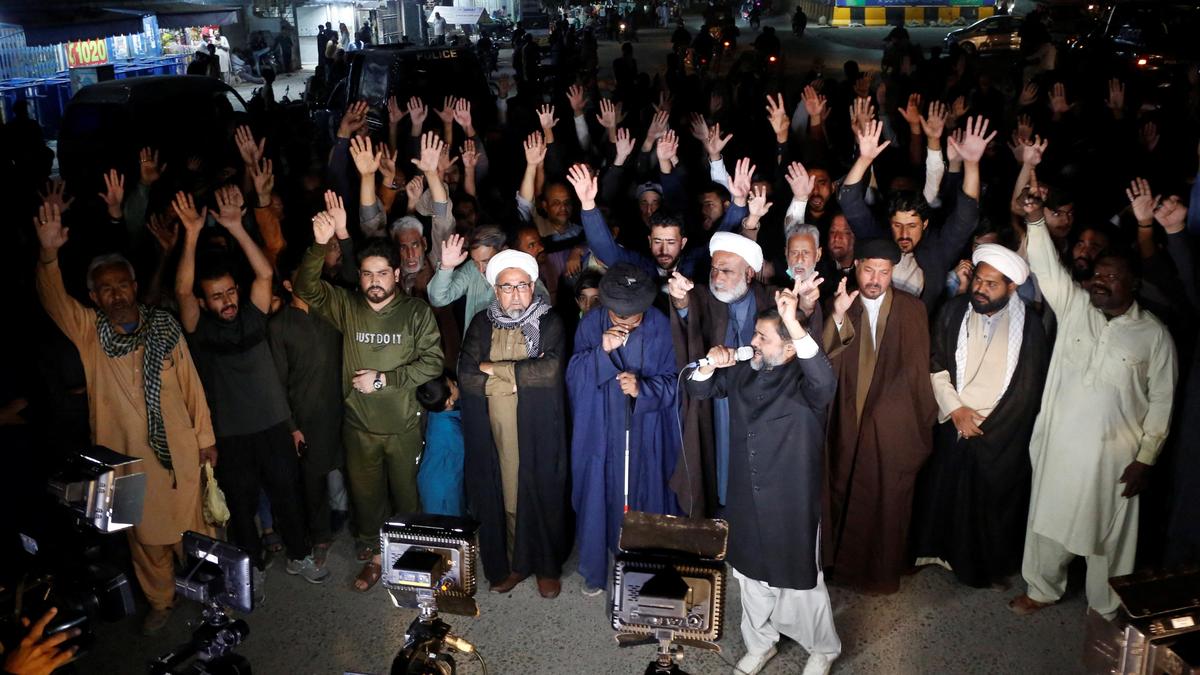
A devastating suicide bombing at a Shiite mosque in Islamabad on February 6, 2026, claimed the lives of at least 31 people and injured 169 more. The Islamic State group (IS) has claimed responsibility for the attack, which targeted worshippers during Friday prayers at the Imam Bargah Qasr-e-Khadijatul Kubra mosque in the Tarlai area of Islamabad. The bombing is the deadliest to hit the Pakistani capital since the 2008 Marriott hotel bombing.
Key Points:
- The suicide bomber detonated an explosive vest at the entrance of the mosque during Friday prayers.
- The attack was claimed by the Islamic State group (IS).
- At least 31 people were killed and 169 were wounded.
- The bombing is the deadliest in Islamabad since the 2008 Marriott hotel attack.
- The attack occurs amidst growing insurgencies in Pakistan’s southern and northern provinces bordering Afghanistan.
- Pakistani officials have accused separatist groups and the Pakistani Taliban of using Afghan territory as a safe haven to launch attacks.
- Bilateral relations between Pakistan and Afghanistan have deteriorated, with frequent border clashes.
Critical Analysis:
The historical context provided suggests a multi-faceted crisis brewing in the region.
* The bombing is claimed by ISIS.
* Pakistan is accusing Afghanistan of harbouring terrorists.
* India rejects Pakistan’s accusations regarding the bombing.
* The US rejects claims about China’s nuclear testing.
These events suggest a volatile geopolitical environment, where internal security challenges within Pakistan are complicated by strained relations with Afghanistan and regional tensions involving India, China and the US.
Key Takeaways:
- The attack highlights the persistent threat of terrorism in Pakistan, particularly from groups like ISIS.
- The bombing underscores the vulnerability of religious minorities, specifically Shiites, in Pakistan.
- The incident further exacerbates already tense relations between Pakistan and Afghanistan.
- The bombing may lead to increased security measures and counter-terrorism operations within Pakistan.
- The attack has the potential to destabilize the region further and draw in other international players.
Impact Analysis:
The Islamabad mosque bombing and the factors leading up to it possess significant long-term implications:
- Increased Sectarian Violence: The attack could trigger retaliatory actions, escalating sectarian tensions between Sunni and Shiite communities within Pakistan.
- Strained Regional Relations: The blame game between Pakistan and Afghanistan could intensify, leading to further border conflicts and potentially impacting regional trade and cooperation. The inclusion of the US and China also suggests a complex interplay of international interests.
- Domestic Political Instability: The security failure in Islamabad could weaken the current government’s standing and fuel calls for stricter security policies, potentially leading to human rights abuses.
- Radicalization and Recruitment: The successful attack could serve as a propaganda victory for ISIS and other extremist groups, potentially attracting new recruits and inspiring further attacks.
- International Scrutiny: The attack will likely draw international attention to Pakistan’s counter-terrorism efforts and its relationship with Afghanistan, potentially leading to increased pressure from global powers.
 First Piper