
Fri Feb 06 20:09:10 UTC 2026: # Iran Rejects US Demand to Halt Uranium Enrichment During Oman Talks
The Story:
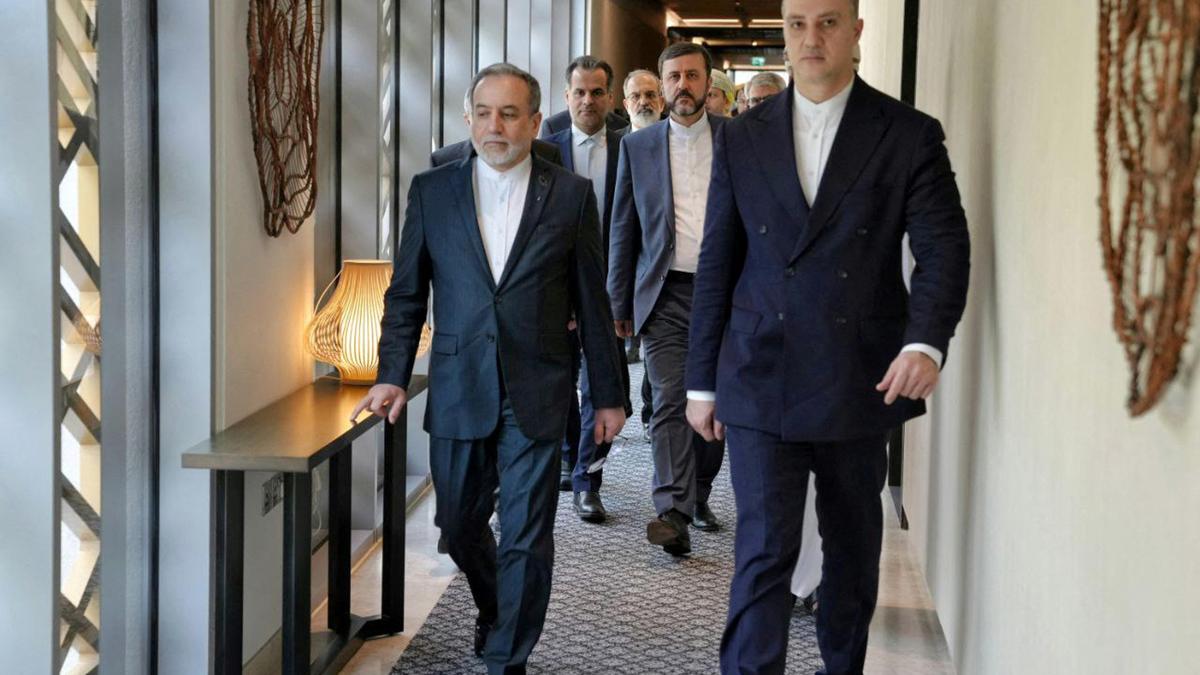
Amidst heightened tensions and fears of war, Iranian and U.S. delegations convened in Muscat, Oman on February 6, 2026, for critical talks regarding Iran’s nuclear program. According to a regional diplomat briefed by Tehran, Iran has refused U.S. demands to cease uranium enrichment on Iranian soil. However, Iran has signaled a willingness to discuss the level and purity of enrichment, potentially exploring the formation of a regional consortium to manage the process. The discussion notably excluded Iran’s missile capabilities.
Key Points:
- Talks between Iran and the U.S. took place in Muscat, Oman on February 6, 2026.
- Iran rejected U.S. calls to halt uranium enrichment.
- Iran is open to discussing the level and purity of enrichment.
- A regional consortium regarding enrichment was proposed.
- Iran’s missile capabilities were not part of the discussions.
Critical Analysis:
The historical context reveals a complex and seemingly contradictory situation. The announcement of new US oil sanctions against Iran moments after talks in Oman is quite revealing. Even with FM Araghchi confirming an agreement with the US to continue negotiations, the US still elected to move forward with new sanctions. This could be interpreted as a tactic to increase pressure on Iran during negotiations, a signal of distrust, or a combination of both. The “positive atmosphere” reported by Iran seemingly clashes with the US actions. This dichotomy suggests a deep-seated lack of trust and potentially differing objectives despite the ongoing dialogue.
Key Takeaways:
- The U.S. and Iran remain far apart on the fundamental issue of uranium enrichment, indicating that a breakthrough agreement is unlikely in the immediate future.
- Iran’s willingness to discuss enrichment levels and a regional consortium may represent a subtle shift in its negotiating position, aiming for a compromise rather than outright defiance.
- The exclusion of missile capabilities from the talks suggests a deliberate effort by both sides to focus narrowly on the nuclear issue, potentially to avoid further complicating the negotiations.
- The US’s continued imposition of sanctions even during negotiations signals a lack of trust and a determination to maintain maximum pressure on Iran.
- The contrasting narratives from Iran (“positive atmosphere”) and the US actions (new sanctions) highlight the fragile and highly sensitive nature of the negotiations.
Impact Analysis:
The failure to achieve a significant breakthrough in these talks carries significant long-term implications for regional stability. The rejection of a full halt to uranium enrichment, coupled with continued sanctions, risks escalating tensions in the region. The prospect of Iran continuing its enrichment program, even under potential limitations, raises concerns about a potential nuclear arms race and could prompt other regional powers to pursue similar capabilities. The possibility of military confrontation remains real as long as the fundamental disagreements persist. The negotiations, while ongoing, seem to be caught in a cycle of pressure and resistance, making a comprehensive and lasting resolution increasingly difficult to achieve.
 First Piper