
Fri Feb 06 22:00:00 UTC 2026: ### Ghali’s Olympic Performance Marred by Censorship Controversy
The Story:
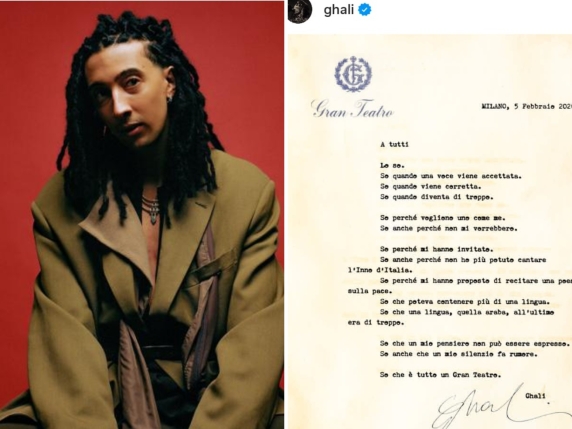
Italian rapper Ghali’s participation in the opening ceremony of the Milano Cortina 2026 Winter Olympics has been overshadowed by controversy. Prior to the ceremony on February 6, 2026, Ghali posted a statement on Instagram alleging censorship of his artistic expression. Specifically, he claims he was prevented from singing the Italian national anthem and that a planned verse in Arabic for a poem about peace was ultimately deemed “too much.” The post has ignited a debate over artistic freedom, political expression, and cultural sensitivity within the context of a major international event.
Key Points:
- Ghali, a rapper of Tunisian descent, stated that he was initially offered the opportunity to recite a poem about peace at the opening ceremony.
- He claims that a verse in Arabic, which was intended to be included in the poem, was later removed.
- Ghali alleges he was also prevented from singing the Italian national anthem.
- Minister for Sport and Youth Andrea Abodi had previously commented on Ghali’s participation, stating that he believed Italy should be able to “withstand” an artist who has expressed dissenting opinions, but reassured that those opinions will not be voiced on the stage.
- The Lega party labeled Ghali an “Israel hater” and a “fanatic proPal” and voiced opposition to his involvement.
- Noemi Di Segni, president of the Union of Italian Jewish Communities, hoped Ghali received guidance regarding his role.
- Matteo Salvini, leader of the Lega, responded to the controversy with irony, stating that he thought they would sleep well knowing Ghali wasn’t singing the Italian anthem.
Critical Analysis:
The events surrounding Ghali’s participation in the Olympics opening ceremony are happening because of a clash between artistic expression and political sensitivities. Ghali’s past outspokenness on the Gaza conflict, highlighted during the Sanremo 2024 festival, made him a target for political opposition. The government’s attempt to balance inclusivity with concerns about perceived anti-Israel sentiment resulted in a compromise that Ghali felt amounted to censorship. This reveals a pattern of increasing scrutiny over artists’ political statements, especially when participating in nationally and internationally recognized events.
Key Takeaways:
- The controversy highlights the ongoing tension between artistic freedom and political control, particularly in high-profile events.
- The incident underscores the sensitivity surrounding the Israeli-Palestinian conflict and its implications for public figures.
- The pressure on Ghali reflects a broader trend of increased polarization and heightened scrutiny of artists’ political views.
- The incident has the potential to spark a broader debate about cultural representation and linguistic diversity in national events.
- The article suggests a possible attempt by political factions to control the narrative and prevent the artist from expressing certain views.
Impact Analysis:
This incident is significant because it sets a precedent for how artists are treated in future national events. The controversy around Ghali’s performance may lead to increased scrutiny of artists and their views before their inclusion in events. It also raises questions about the balance between freedom of expression and the need to avoid offense. The long-term impact might include a more cautious approach to artist selection for major events, potentially stifling creativity and diversity.
 First Piper