
Sat Feb 07 03:14:27 UTC 2026: # Harris Accuses Trump of White House Cover-Up Over Racist Social Media Post
The Story:
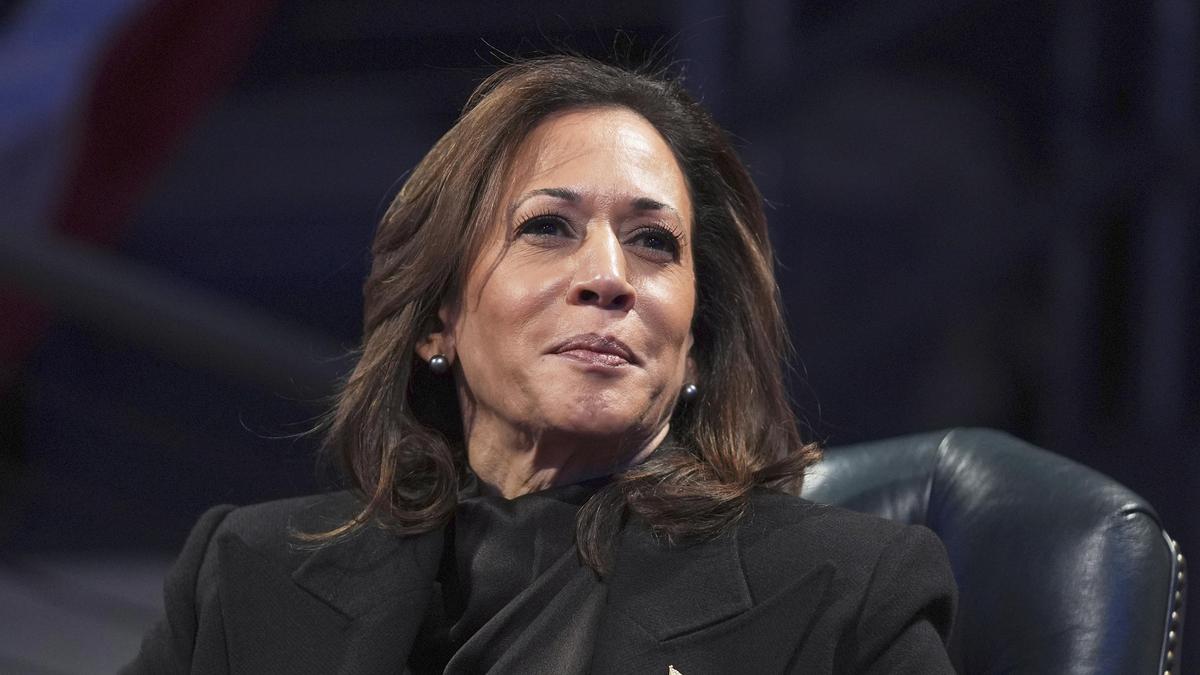
Former U.S. Vice President Kamala Harris has publicly criticized former President Donald Trump, accusing him of a “cover-up” after he shared a racist video on his Truth Social account depicting former President Barack Obama and Michelle Obama. The video, which employed a racist trope, sparked immediate outrage across the American political spectrum. The White House initially defended the post, dismissing the criticism as “fake outrage,” but later attributed the posting to a staff error, a claim Harris vehemently rejects.
Key Points:
* February 6, 2026: Donald Trump shared a racist video targeting the Obamas on Truth Social.
* The White House initially defended the post before blaming a staff member.
* Kamala Harris, who lost to Trump in the 2024 election, publicly denounced the incident as a “cover-up.”
* The video used a racist trope, causing widespread outrage.
* February 7, 2026: News of the incident and Harris’s response became public.
Key Takeaways:
* This incident underscores the ongoing racial tensions in American politics.
* Trump’s use of social media continues to be a source of controversy and political volatility.
* Harris’s swift condemnation suggests a strategic effort to position herself as a voice against racism and potentially setting the stage for future political moves.
Impact Analysis:
The impact of this event series is multi-faceted:
- Political Polarization: Expect further entrenchment of political divides, with Trump’s supporters likely to dismiss the criticism as politically motivated and his detractors viewing it as further evidence of his racism.
- 2028 Election Implications: Depending on how the political landscape shifts over the next two years, this incident could resurface as a key point of contention in the 2028 presidential election, particularly if Harris chooses to run.
- Social Discourse: The controversy reignites the national conversation about race, prejudice, and the responsibility of political leaders in shaping public opinion. It reinforces the need for ongoing dialogue and action to address systemic inequalities.
 First Piper