
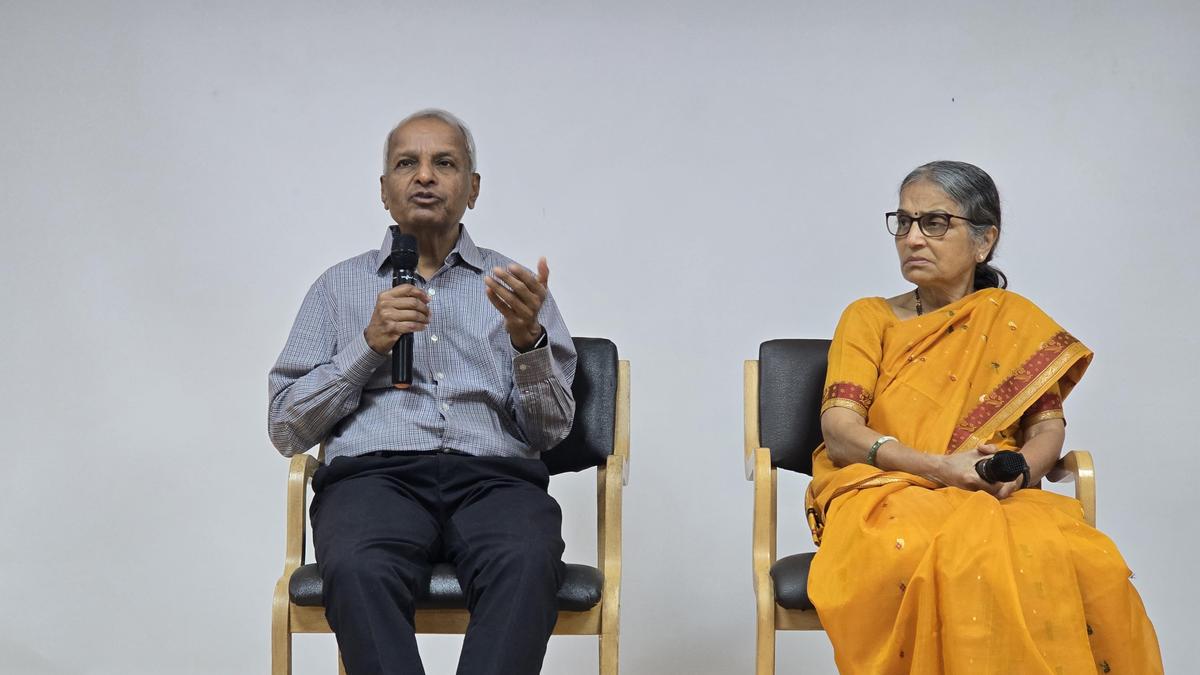
Sat Feb 07 11:13:01 UTC 2026: ### Rethinking Education for the AI Era: Development Dialogue 2026 Emphasizes Skill Development and Adaptability
The Story:
The Development Dialogue 2026 in Hubballi, India, focused on the urgent need to revamp education systems to prepare learners for a future dominated by rapid technological advancements and artificial intelligence. Experts at the event, including policymakers, educators, and industry leaders, highlighted the critical gap between traditional degree-centric education and the skills demanded by the modern job market. Discussions centered on creating flexible, competency-based frameworks, expanding apprenticeship programs, and fostering curiosity and adaptability among students.
Key Points:
- The Development Dialogue 2026 took place in Hubballi on February 7, 2026.
- E.V. Ramana Reddy, Chairperson of the Karnataka Skill Development Authority (KDSA), emphasized the lack of skill development among students, particularly in rural areas, as a major challenge.
- Participants discussed the importance of transitioning from rigid, degree-centric systems to flexible, competency-based frameworks.
- Rajan, advisory board member of The Convergence Foundation, highlighted adaptability as a key to success and advocated for expanding apprenticeship programs.
- Gururaj Deshpande, co-founder of the Deshpande Foundation, pointed out the disconnect between industry needs and the skills possessed by graduates, stressing the need for stronger bridges between education and industry.
- Universities were urged to take a transformative role by encouraging students to lead societal change and fostering curiosity.
Critical Analysis:
The event takes place amidst a backdrop of global concerns regarding technology, education and talent. The news snippets regarding TikTok’s “addictive design” and the “US Passport, Indian Education: Engineer’s Career Dilemma Goes Viral” point to a broader anxiety: are education systems and personal development keeping pace with the needs and challenges of a hyper-connected and rapidly changing world? The Pentagon cutting ties with Harvard and the discussion about Blockchain beyond Crypto further amplify the need to recalibrate education with real-world applications, skill-based learning and a focus on talent retention.
Key Takeaways:
- Traditional education systems are struggling to equip students with the skills and adaptability required for the future job market.
- Bridging the gap between academia and industry is crucial for addressing the skills gap and ensuring graduates find meaningful employment.
- Fostering curiosity, critical thinking, and adaptability among students is essential for navigating a rapidly changing world.
- Personalized and adaptive learning tools can play a significant role in helping students learn at their own pace and enhancing their skills.
- Policy changes are needed to support the transition towards competency-based frameworks and expanded apprenticeship opportunities.
Impact Analysis:
The emphasis on skill development and adaptability at Development Dialogue 2026 signals a potential shift in India’s approach to education. If the recommendations are implemented effectively, it could lead to a more skilled workforce, improved employability, and greater economic competitiveness. The focus on bridging the gap between academia and industry could also foster innovation and entrepreneurship. However, the success of these initiatives will depend on overcoming challenges related to scale, execution, and equitable access to opportunities, particularly in rural areas. The shift towards competency-based frameworks and personalized learning could also transform the role of educators, requiring them to adapt their teaching methods and focus on facilitating learning rather than simply delivering information.
 First Piper