
Sat Feb 07 09:20:09 UTC 2026: Headline: CPI(M) Accuses Congress-Led UDF of Alliance with Extremist Religious Organizations in Kerala
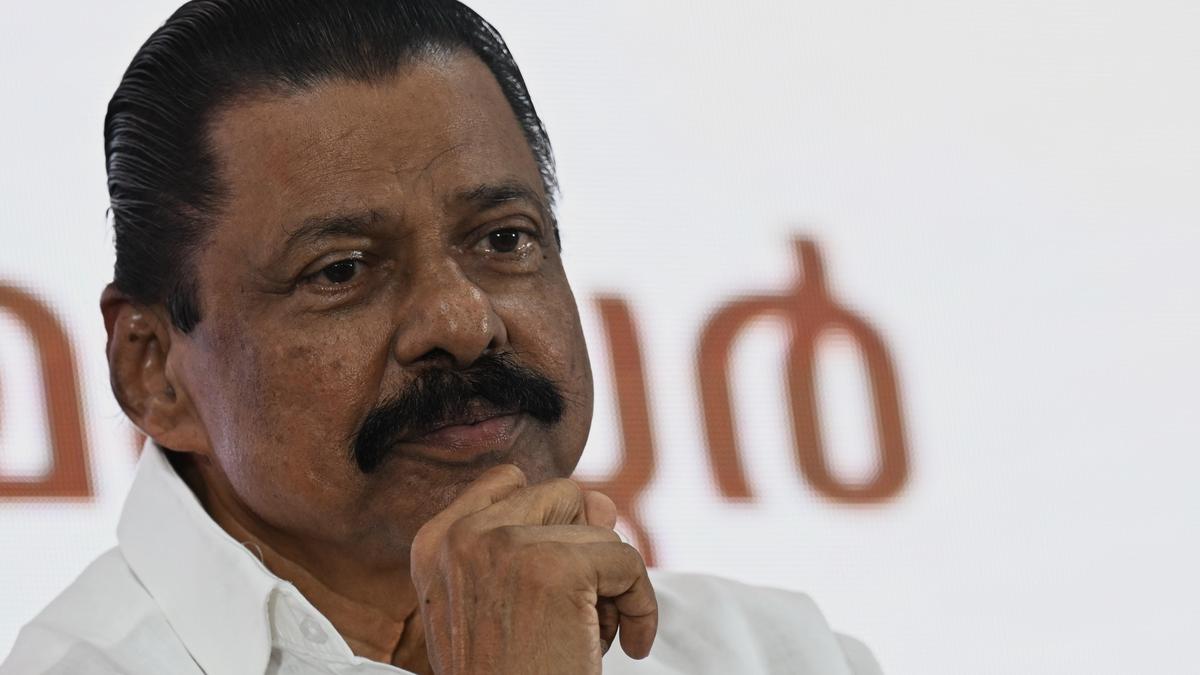
The Story: In the lead-up to the upcoming Assembly elections, the Communist Party of India (Marxist) [CPI(M)] has launched a strong attack against the Congress-led United Democratic Front (UDF) in Kerala. CPI(M) State Secretary M.V. Govindan, speaking at a press conference on February 7, 2026, accused the UDF of aligning with the Jamaat-e-Islami, an organization he described as having a “radical theocratic agenda.”
Govindan’s remarks followed the UDF’s announcement that it would accept support from Jamaat-e-Islami, which has stated it does not endorse a theocratic state. The CPI(M) contends that this acceptance represents a dangerous reliance on “communal consolidation” by the Congress to improve its electoral chances and that Jamaat-e-Islami’s influence has permeated the Indian Union Muslim League (IUML), thus posing a threat to Kerala’s secular traditions.
Key Points:
- On February 7, 2026, CPI(M) State Secretary M.V. Govindan accused the UDF of aligning with the Jamaat-e-Islami.
- The accusation came a day after the UDF announced it would accept support from Jamaat-e-Islami.
- Govindan alleged that the Congress is relying on “communal consolidation” for electoral gains.
- The CPI(M) claims Jamaat-e-Islami’s influence has spread to the IUML.
- The CPI(M) views this alliance as a threat to Kerala’s secular traditions.
Critical Analysis:
The event occurs against a backdrop of several other politically charged events. The seizure of over 10,500 gelatin sticks and detonators in Malappuram, Kerala, on February 7, 2026, raises security concerns and could fuel the CPI(M)’s narrative of extremism. The UDF’s plans to highlight the “Kerala crisis” in their Puthuyuga Yatra, and the Kerala High Court’s directive to universities to regulate political activities, both point to existing tensions and challenges within the state. The CPI(M)’s attack on the UDF can be interpreted as a strategic move to consolidate their own support base by portraying their opponents as dangerously aligned with potentially destabilizing forces.
Key Takeaways:
- Kerala’s political landscape is becoming increasingly polarized, with parties vying for support through potentially divisive tactics.
- The CPI(M) is attempting to frame the UDF’s acceptance of Jamaat-e-Islami’s support as a dangerous alliance with extremist elements.
- The issue of secularism and religious influence in politics is taking center stage in the lead-up to the Assembly elections.
- External security concerns might be exploited to further political agendas.
- The courts are actively trying to maintain law and order, suggesting a potential increase in political disruption.
Impact Analysis:
This event series has the potential for long-term ramifications. The CPI(M)’s narrative could influence public perception of the UDF, affecting their electoral chances. More broadly, the accusations could exacerbate communal tensions within Kerala. The increased scrutiny of political activities on university campuses could stifle student activism, while the UDF’s focus on the “Kerala crisis” suggests that pressing socioeconomic issues are likely to be central to the election campaign. The seizure of explosives highlights underlying security risks that could be exploited for political gain. The overall impact hinges on how effectively each party manages public perception and addresses the underlying issues contributing to the state’s political climate.
 First Piper