
Sat Feb 07 11:56:30 UTC 2026: ### Headline: Breakthrough in Fungal Infection Research Reveals Metabolic Weakness
The Story
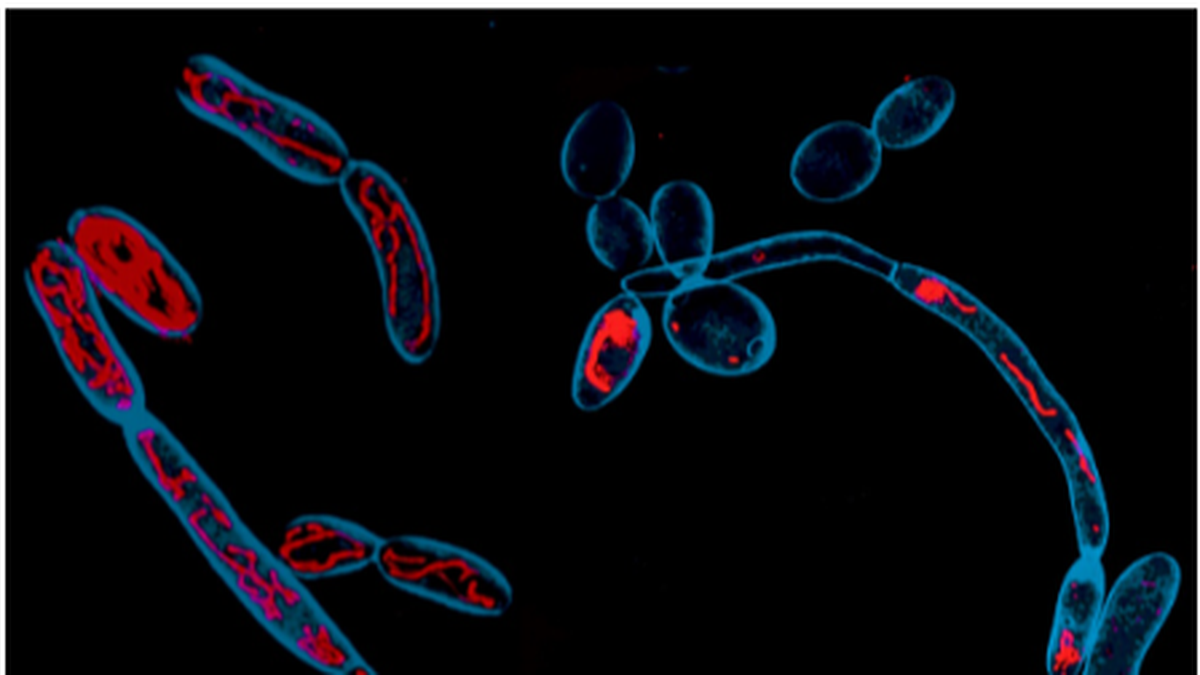
A new study by researchers at the CSIR–Centre for Cellular and Molecular Biology (CCMB) in Hyderabad, published on February 7, 2026, has identified a critical metabolic process driving the infectiousness of fungi. The research, led by scientist Sriram Varahan, reveals that a fungus’s ability to transform between its yeast and filamentous forms is not solely dependent on genetic signals but also on its internal energy production, specifically glycolysis.
This discovery highlights a potential new pathway for developing antifungal therapies that target fungal metabolism, offering a promising strategy to combat the rising threat of drug-resistant fungal infections and their impact on both human health and agriculture. The study suggests that interfering with the sugar breakdown process could prevent fungi from transitioning into their invasive, disease-causing state.
Key Points
- Researchers at CCMB in Hyderabad discovered that fungal shape-shifting, a key factor in infectiousness, is driven by both genetic signals and metabolic processes.
- The study identified a direct link between glycolysis (sugar breakdown) and the production of sulfur-containing amino acids necessary for fungal invasion.
- Slowing down sugar breakdown trapped fungi in their harmless yeast form.
- A Candida albicans strain lacking a key enzyme for sugar breakdown was “metabolically crippled,” easily destroyed by immune cells, and caused only mild disease in mouse models.
- Targeting fungal metabolism could lead to safer, more effective antifungal therapies for human health and agricultural security.
Key Takeaways
- Fungal infections are an underestimated health threat, contributing to rising hospitalizations, deaths, crop devastation, and food insecurity.
- The discovery of the metabolic link to fungal infection offers a new avenue for antifungal drug development, particularly important given the rise of drug-resistant strains.
- This research highlights the importance of considering metabolic pathways in addition to genetic factors when studying fungal pathogenesis.
- The study has implications for both human health and agricultural security, as fungal infections impact both sectors.
- This research builds upon earlier work and offers a promising pathway for safer, more effective antifungal therapies.
Impact Analysis
The CCMB’s discovery could significantly impact antifungal drug development. By targeting fungal metabolism rather than gene networks, this new approach could circumvent the resistance mechanisms fungi employ against current medications. The rise of drug-resistant fungal infections necessitates this type of innovative thinking. The potential for this research to reduce hospitalizations, deaths, crop losses, and food insecurity positions it as a highly significant development with far-reaching positive consequences in both the short and long term. The findings may also spur further research into the metabolic vulnerabilities of other pathogens.
 First Piper