
Fri Feb 06 11:51:17 UTC 2026: ### Canada and France Assert Arctic Presence Amid US Interest in Greenland
The Story:
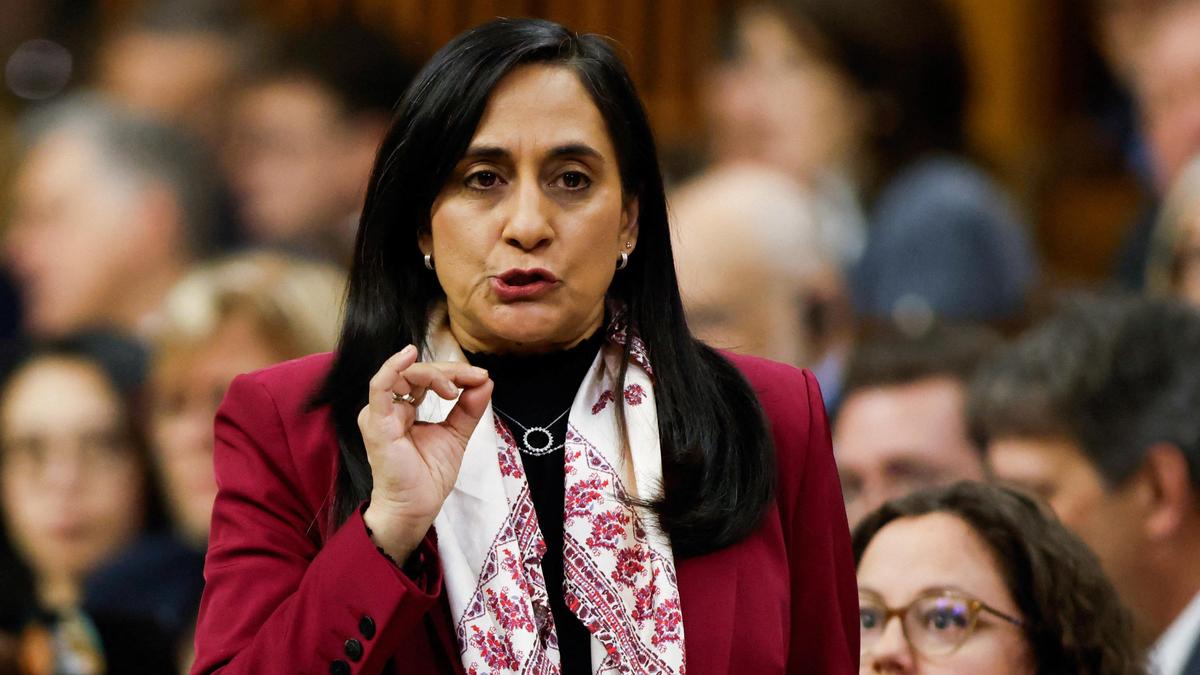
Canada and France inaugurated diplomatic consulates in Nuuk, Greenland, on February 6, 2026, signaling support for Denmark and the Arctic island. This move comes after recent U.S. interest in securing control of the territory. Canadian Foreign Minister Anita Anand, joined by Indigenous governor general Mary Simon, and French Consul General Jean-Noel Poirier are tasked with enhancing cooperation on climate change, Inuit rights, cultural, scientific, and economic fields, respectively, while also strengthening political ties with local authorities.
Key Points:
- Canada and France opened consulates in Nuuk on February 6, 2026.
- The openings are seen as a show of support for Denmark and Greenland following U.S. interest in the territory.
- Anita Anand and Mary Simon represented Canada, while Jean-Noel Poirier represented France.
- Canada pledged to open a consulate in 2024, with the inauguration delayed due to bad weather.
- Donald Trump had previously threatened tariffs on Denmark and other European countries before reaching a “framework” deal, details of which remain scarce, mediated by Mark Rutte.
- Technical talks between the U.S., Denmark, and Greenland are underway for an Arctic security deal.
Critical Analysis:
The establishment of Canadian and French consulates in Greenland, particularly after the U.S.’s overt interest and subsequent (albeit vague) deal, suggests a coordinated effort by these nations to counterbalance potential U.S. dominance in the Arctic region. The inclusion of Indigenous representation from Canada highlights the importance of Inuit rights in the Arctic dialogue.
Key Takeaways:
- Canada and France are strategically solidifying their presence in Greenland, potentially as a counterbalance to U.S. influence.
- Arctic security and resource access are becoming increasingly contested among major global players.
- Inuit rights and climate change are central themes in the evolving Arctic geopolitical landscape.
Impact Analysis:
The coordinated diplomatic activity suggests a broader strategy to maintain a balance of power in the Arctic. This could lead to increased multilateral cooperation between Canada, France, and Denmark/Greenland on Arctic issues, potentially impacting future resource extraction policies, security arrangements, and the protection of Indigenous rights in the region. It could also push the U.S. to clarify the details of its “framework” deal and its overall Arctic strategy.
 First Piper