
Fri Feb 06 09:14:09 UTC 2026: ### Sri Lanka’s Supreme Court Greenlights Repeal of Parliamentary Pensions with Simple Majority
The Story:
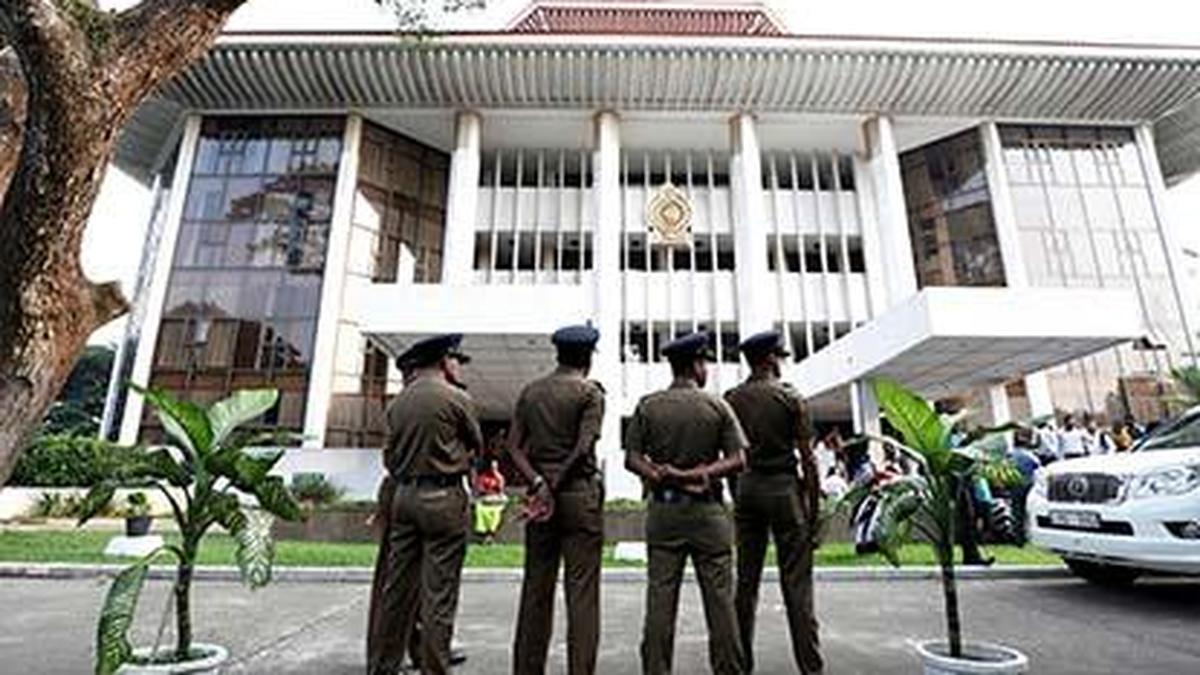
The Supreme Court of Sri Lanka has ruled that the Parliamentary Pensions (Repeal) Bill can be passed in Parliament with a simple majority, Speaker announced on February 6, 2026. This decision follows hearings on five fundamental rights petitions that challenged the Bill’s constitutionality. The Bill, submitted to Parliament on January 7, 2026, aims to repeal the Parliamentary Pensions Law No. 1 of 1977, which granted lifetime non-contributory pensions to former Members of Parliament.
The court determined that the 1977 law was not derived from the Constitution, dismissing the petitioners’ arguments. This clears the path for the ruling National People’s Power (NPP) government to fulfill a key electoral pledge, redirecting savings from the repealed pensions to fund essential public services.
Key Points:
- Sri Lanka’s Supreme Court ruled that the Parliamentary Pensions (Repeal) Bill can be passed with a simple majority.
- The Bill seeks to repeal the Parliamentary Pensions Law No. 1 of 1977, which provided lifetime pensions to former MPs.
- The court rejected arguments that the 1977 law was constitutionally mandated.
- The ruling NPP government intends to use the resulting savings for public services.
- The NPP holds 169 seats in the 225-member Assembly, exceeding the two-thirds majority required.
Critical Analysis
The news items related to Bill Clinton and Monica Lewinsky seem irrelevant to the Sri Lankan matter. The other topics seem to be random items that don’t build context.
Key Takeaways:
- Sri Lanka’s government is moving forward with reforms targeting perceived political perks.
- The Supreme Court’s decision is a victory for the ruling NPP and its reform agenda.
- The repeal of the pensions law aligns with the government’s commitment to fiscal responsibility and redirecting funds to essential services.
Impact Analysis
The successful repeal of the Parliamentary Pensions Law could set a precedent for further reforms in Sri Lanka, targeting other areas of perceived government excess or inefficiency. The NPP’s ability to deliver on its electoral pledges will likely bolster its public support and influence future political discourse. The reallocation of savings to public services could also have a tangible impact on the lives of Sri Lankan citizens, potentially improving access to healthcare, education, or infrastructure. This action reinforces a global trend where populism translates to actual policy changes.
 First Piper