
Fri Feb 06 07:34:34 UTC 2026: Headline: Military AI Accord Falters as U.S. and China Refuse to Sign Commitment
The Story:
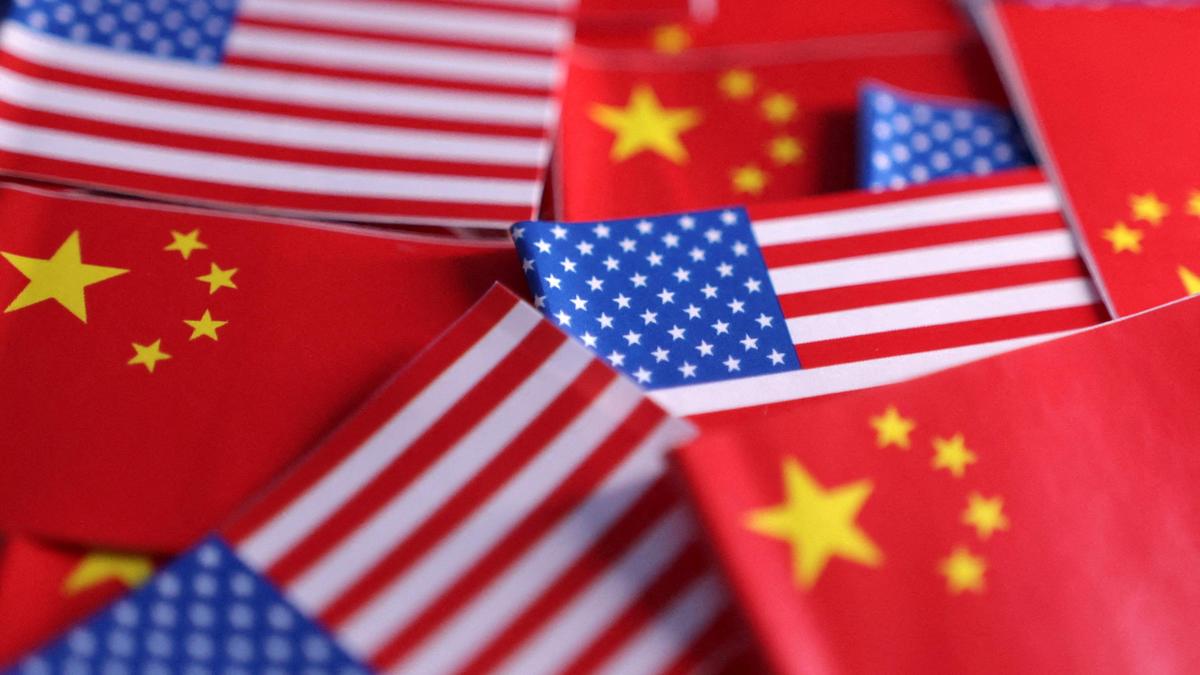
Only 35 out of 85 nations attending the Responsible AI in the Military Domain (REAIM) summit in A Coruna, Spain, signed a commitment to 20 principles governing the use of Artificial Intelligence in warfare. The declaration aimed to establish guidelines for responsible AI deployment, but key military powers like China and the United States declined to endorse the agreement. Concerns over transatlantic relations and the rapid advancements in AI technology have made some countries reluctant to commit to restrictions, fearing limitations compared to adversaries.
Key Points:
- The REAIM summit in A Coruna, Spain, saw only 35 of 85 nations signing a commitment to AI principles in the military.
- The United States and China opted out of the agreement.
- The commitment included affirming human responsibility, clear command chains, and information sharing on national oversight.
- Previous REAIM summits in The Hague (2023) and Seoul (2024) resulted in a non-binding “blueprint for action.”
- Major signatories included Canada, Germany, France, Britain, the Netherlands, South Korea, and Ukraine.
Critical Analysis:
The historical context suggests a growing tension and strategic competition between the U.S. and China. Trump’s nuclear arms control push hinging on China, China’s regret over the expiration of the U.S.-Russia arms treaty, and discussions between Trump and Xi regarding Iran, all point to a complex web of international relations. The unwillingness of both the U.S. and China to sign the AI agreement reflects a reluctance to constrain their military technological development, potentially due to mutual distrust and a desire to maintain a competitive edge. The missing merchant navy officer adds a layer of geopolitical intrigue, though its direct relevance to the AI summit is unclear without further information.
Key Takeaways:
- International cooperation on AI in the military is challenged by geopolitical tensions.
- The U.S. and China’s refusal to sign the agreement highlights their strategic rivalry.
- Concerns about maintaining a military advantage are outweighing the desire for responsible AI governance for key players.
- The non-binding nature of past and present agreements underscores the difficulty in achieving concrete regulations in this domain.
- The future of AI in warfare will likely be shaped by competition rather than cooperation.
Impact Analysis:
The failure to secure broad agreement on AI principles in the military domain has significant long-term implications:
- Escalated Arms Race: The lack of restrictions could accelerate the development and deployment of AI-powered weapons, potentially leading to an AI arms race.
- Increased Risk of Miscalculation: Without clear guidelines, the risk of accidents, miscalculations, and unintended escalations in conflict increases.
- Erosion of Trust: The absence of commitment from major powers undermines international efforts to establish norms and regulations for AI in warfare.
- Geopolitical Instability: The competitive dynamic between the U.S. and China, fueled by advancements in AI technology, could further destabilize international relations.
- Ethical Concerns: The deployment of AI weapons without sufficient safeguards raises serious ethical questions about accountability and the potential for unintended consequences.
 First Piper