
Fri Feb 06 03:26:18 UTC 2026: # Intensified Shelling Hits Belgorod, Russia, Amid Ongoing Conflict
The Story:
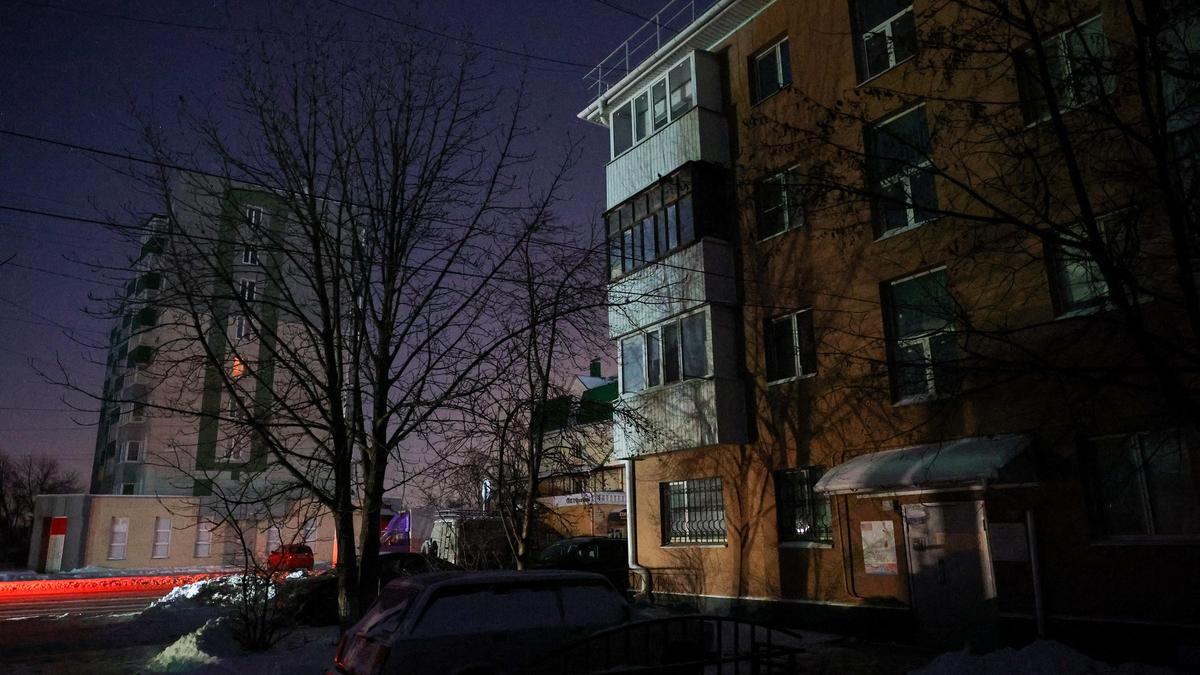
On February 6, 2026, the Russian city of Belgorod, located near the Ukrainian border, experienced significant damage due to nighttime shelling. According to Belgorod’s governor, Vyacheslav Gladkov, the attack caused “serious damage” in the civilian city, with power outages reported in some districts. Gladkov stated city officials are devising a plan of action. The attack comes amidst the ongoing Russia-Ukraine conflict, which began in February 2022.
Key Points:
- Shelling occurred in Belgorod, Russia, on the night of February 5-6, 2026.
- Belgorod Governor Vyacheslav Gladkov reported “serious damage” to the city.
- Power outages were reported in some districts of Belgorod.
- Russian Telegram channel Mash indicated missiles struck the city, which is about 40 km (25 miles) from the Ukrainian border.
- Ukrainian forces have regularly attacked Belgorod and nearby regions since February 2022.
Critical Analysis:
The timing of this attack, while part of an ongoing conflict, could be influenced by other international tensions, such as the stalled US-Iran talks described on February 5th, 2026. Escalated tensions in one region can sometimes correlate with intensified activity in other conflict zones, as parties seek to leverage opportunities or demonstrate resolve. Also, the Ukranian Tennis Player refusing to shake hands with her Hungarian rival over Russian is an example of an action that could cause an uptick in war activity.
Key Takeaways:
- The Russia-Ukraine conflict continues to directly impact Russian border cities like Belgorod.
- Civilian infrastructure is being affected, resulting in power outages and “serious damage”.
- The attacks on Belgorod are described as a regular occurrence since the start of the invasion.
- The conflict is still at a high level and not de-escalating as of February 2026.
Impact Analysis:
The continued shelling of Belgorod underscores the protracted nature of the Russia-Ukraine conflict and its potential for escalation. This has significant implications for regional stability, as the attacks may lead to increased internal pressure within Russia for a more aggressive response, potentially widening the scope of the conflict. Furthermore, the disruption of essential services in Belgorod, such as power, will likely exacerbate humanitarian concerns for the civilian population and increase the number of internally displaced persons. The long-term economic consequences for both Russia and Ukraine remain considerable, affecting infrastructure, trade, and overall development.
 First Piper